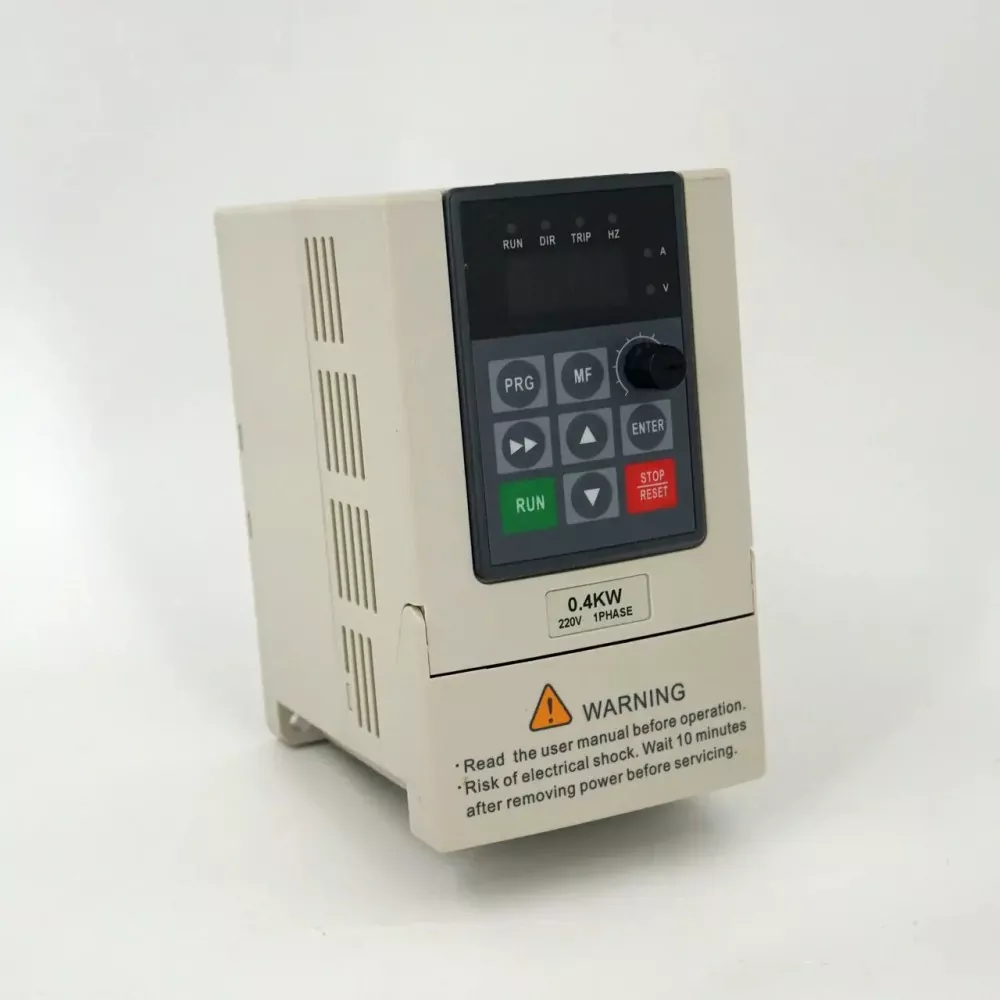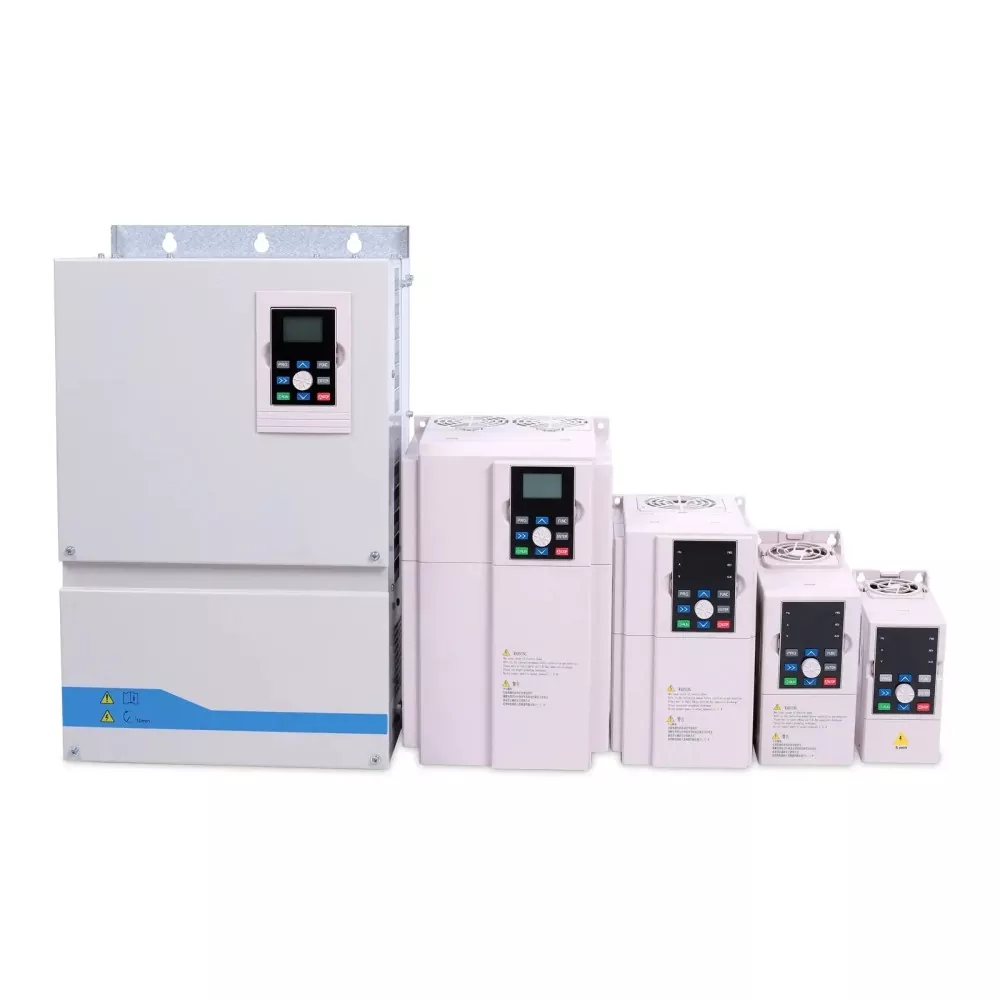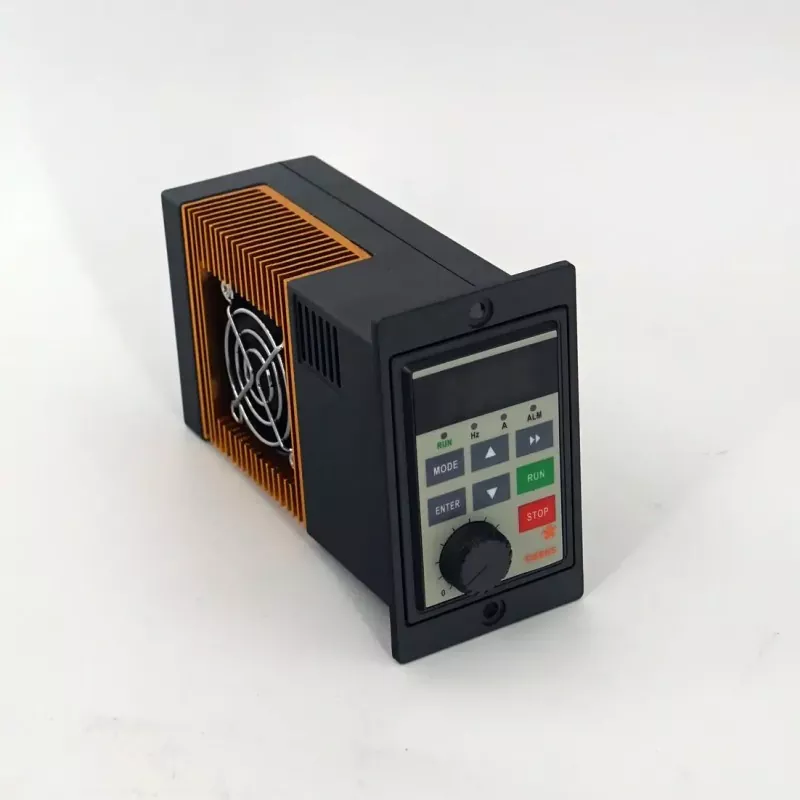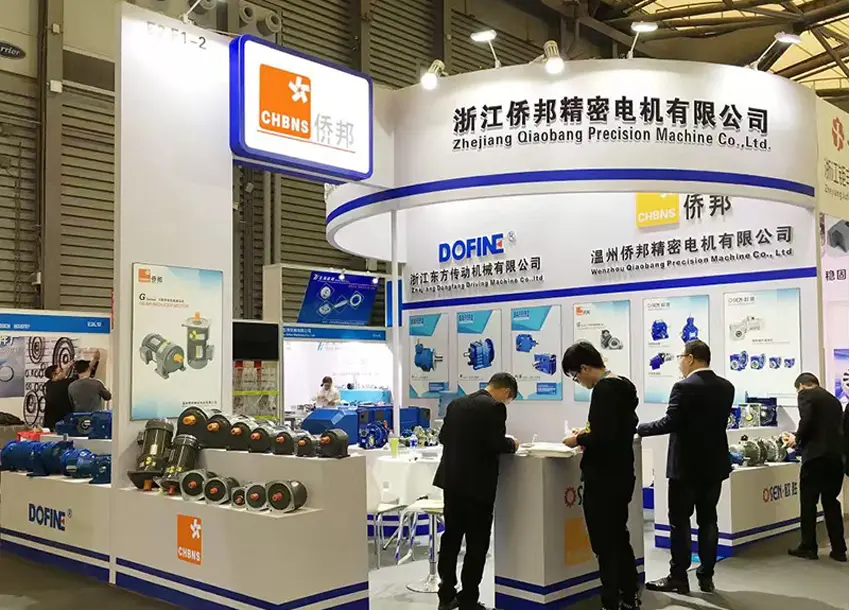
Industrial machinery often needs to operate at different speeds as production conditions change. Standard AC Drives regulate the speed of compatible AC motors by adjusting the electrical supply frequency, helping match motor operation to the requirements of the driven equipment. As a China AC drive manufacturer and supplier, CHBNS provides frequency converter solutions for industrial motor control, including compact inverter and heavy-load drive product ranges.
An AC drive, also known as a variable frequency drive (VFD), controls an AC motor by regulating the frequency and voltage supplied to it. Changing the output frequency allows the motor to operate at different speeds within its permitted operating range. The drive can also manage acceleration and deceleration according to the configured parameters and the requirements of the connected equipment.
The appropriate drive depends on the motor's electrical specifications, the required speed range, and the behavior of the driven load. Applications that require precise speed regulation, frequent starts, or substantial starting torque may need a different control configuration from those operating under relatively stable loads.
Depending on the model and configuration, standard AC drives can provide different motor control and operating functions to support industrial automation.
Variable frequency control: Adjusts motor operating speed by changing the output frequency to match the requirements of the connected machinery.
V/F control: Regulates the voltage-to-frequency relationship and supports motor operation across the drive's specified frequency range.
Vector control: Available on supported models for applications that require more advanced motor control and torque response.
Acceleration and deceleration settings: Allow the drive to manage speed changes according to configured ramp times and the machine's operating requirements.
Multi-speed operation: Supported drive models can provide preset or programmable speed settings for equipment that operates at different speeds during a working cycle.
Communication and process control: Depending on the model, functions such as RS485 communication and built-in PID control can support integration with compatible control systems.
Drive protection: Available protection functions may include responses to overcurrent, overvoltage, undervoltage, overheating, and other monitored fault conditions.
Standard AC drives are used in industrial equipment that requires adjustable motor speed, controlled starting, or coordinated operating sequences. Depending on the drive rating and control functions, typical applications include conveyor systems, packaging machinery, material handling equipment, industrial pumps, fans, and automated production lines.
For a conveyor, adjustable speed can help match material movement to the production process. In pump and fan applications, speed control can support operation according to changing process demands. Packaging and automated machinery may use programmed speed settings and acceleration profiles to coordinate different stages of operation.
The suitable AC drive depends on the motor type, load characteristics, required operating range, and control method. Not every model is intended for every application, so the drive rating and available functions should be checked before selection.
Selecting a suitable AC drive starts with the motor nameplate and the operating requirements of the equipment. The following factors help determine an appropriate model and configuration.
Motor power and rated current: Match the drive to the connected motor's specifications and confirm that its output capacity is sufficient for the intended load.
Input voltage and phase: Check the available power supply and whether the selected drive requires single-phase or three-phase input.
Load characteristics: Consider starting torque, acceleration requirements, changes in load, and the expected operating cycle.
Required speed range: Determine the minimum and maximum operating speeds and confirm that the motor and drive support the intended range.
Control requirements: Identify whether basic V/F control, vector control, PID regulation, multi-speed operation, or communication functions are needed.
Installation environment: Check ambient temperature, humidity, ventilation, mounting orientation, enclosure requirements, and the manufacturer's installation instructions.
For applications with frequent acceleration, demanding starting conditions, or changing loads, evaluate the drive's overload capacity and control performance against the actual operating cycle. The selected drive should also be compatible with the motor's rated voltage, current, and operating requirements.
CHBNS offers frequency converter products for different industrial drive requirements. The available product range includes the B Series Vector Heavy Load Inverter and the L Series Compact Inverter, which address different equipment and installation needs. The appropriate series depends on the motor rating, required control functions, load conditions, and available installation space.
When specifying an AC drive for new equipment, consider the motor and control requirements together from the beginning of the design process. For replacement applications, the existing drive model, motor nameplate information, wiring arrangement, and required operating functions can help establish compatibility with a replacement unit.
Standard AC drives control the speed and operating behavior of compatible AC motors. They are used in conveyors, pumps, fans, packaging machinery, material handling equipment, and other industrial applications that require adjustable motor speed or controlled acceleration and deceleration.
AC drive and variable frequency drive (VFD) are commonly used to describe equipment that regulates AC motor operation by adjusting the supply frequency. The precise functions and supported motor types depend on the drive model.
Check the motor's rated power, current, voltage, phase, and frequency. Then evaluate the load type, required speed range, starting torque, acceleration requirements, and control functions needed by the equipment. The selected drive must meet the motor and application requirements.
Depending on the model, an AC drive may support preset speeds, external control signals, communication interfaces, or PID functions. Automatic speed regulation depends on the available control functions, feedback arrangement, and system configuration.
V/F control regulates the relationship between output voltage and frequency. Vector control uses a more advanced control method to manage motor performance and can provide improved torque response in supported applications. The appropriate method depends on the motor, load, and required control performance.
Confirm the input power supply, motor compatibility, drive rating, wiring requirements, grounding, ventilation, and permitted installation conditions. Follow the product manual for installation and commissioning, and ensure that suitable protective measures are in place for the application.
At CHBNS, we provide frequency converter options for different motor control and industrial equipment requirements. Share your motor power, input voltage, load characteristics, required speed range, and control functions with our team to discuss a suitable AC drive configuration.