Choosing the right horizontal foot gear motor is essential for achieving stable power transmission, reliable mechanical operation, and efficient equipment integration. From understanding its structural design and working principles to calculating torque, selecting gear ratios, and evaluating installation requirements, industrial buyers need to consider several factors before making a purchasing decision. This guide explains how horizontal foot-mounted gear motors work, their major advantages, common applications, and practical selection criteria to help manufacturers and procurement professionals find a suitable solution for their machinery.
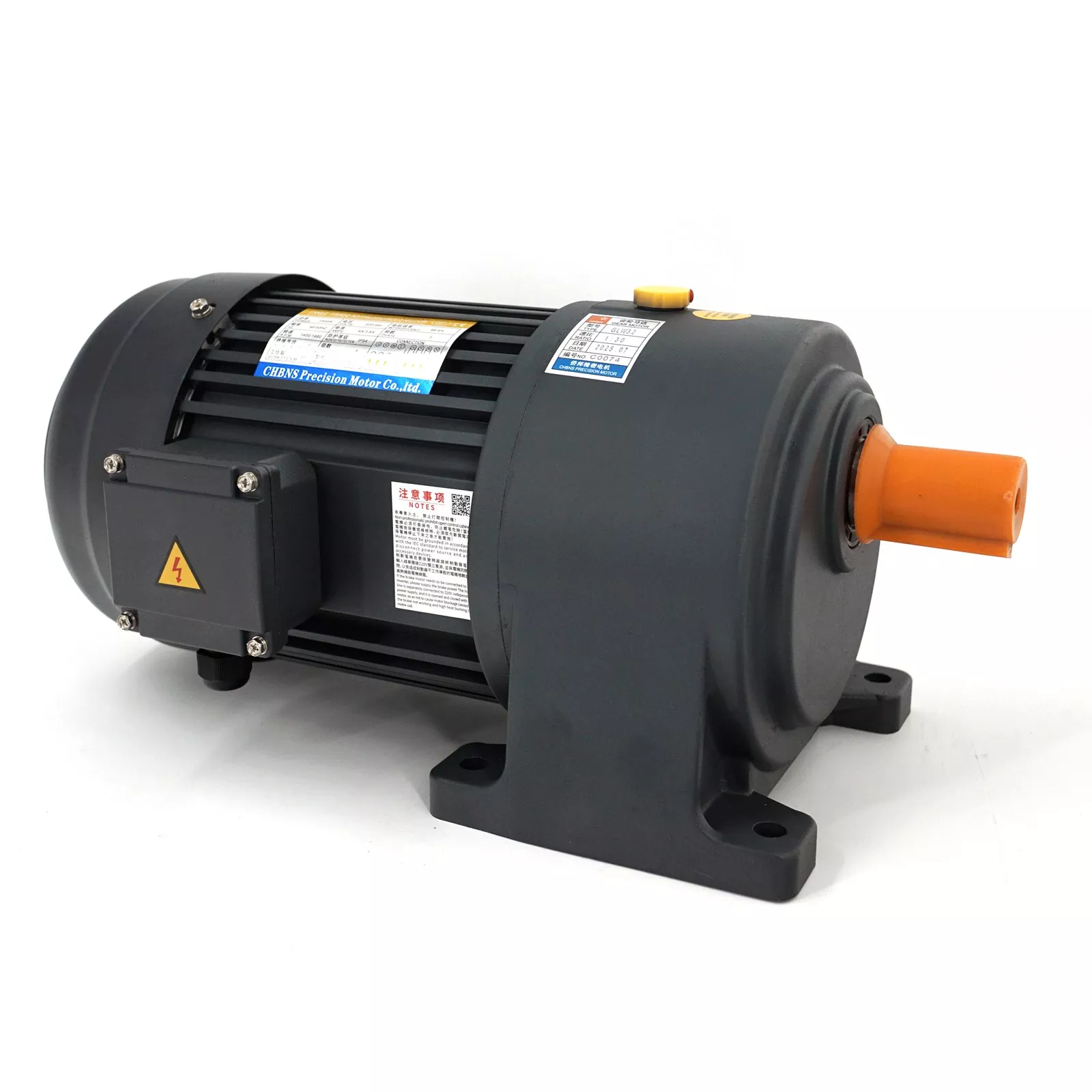
Table of Contents
- What Is a Horizontal Foot Gear Motor?
- How Does a Horizontal Foot Gear Motor Work?
- Key Advantages of Horizontal Foot Gear Motors
- Common Industrial Applications
- How to Choose the Right Horizontal Foot Gear Motor
- Important Technical Specifications to Evaluate
- Common Selection and Installation Mistakes
- Maintenance Practices for Long-Term Performance
- Why Work with an Experienced Gear Motor Manufacturer?
- Frequently Asked Questions
1. What Is a Horizontal Foot Gear Motor?
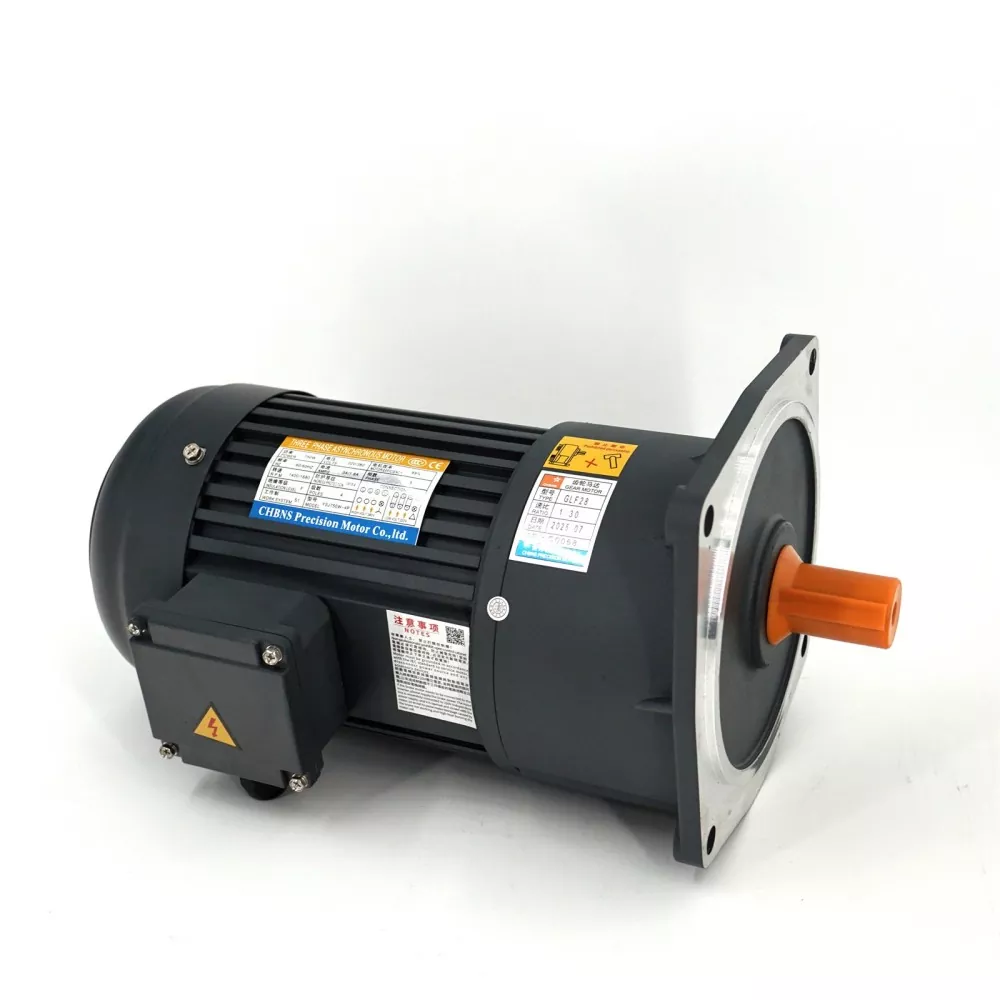
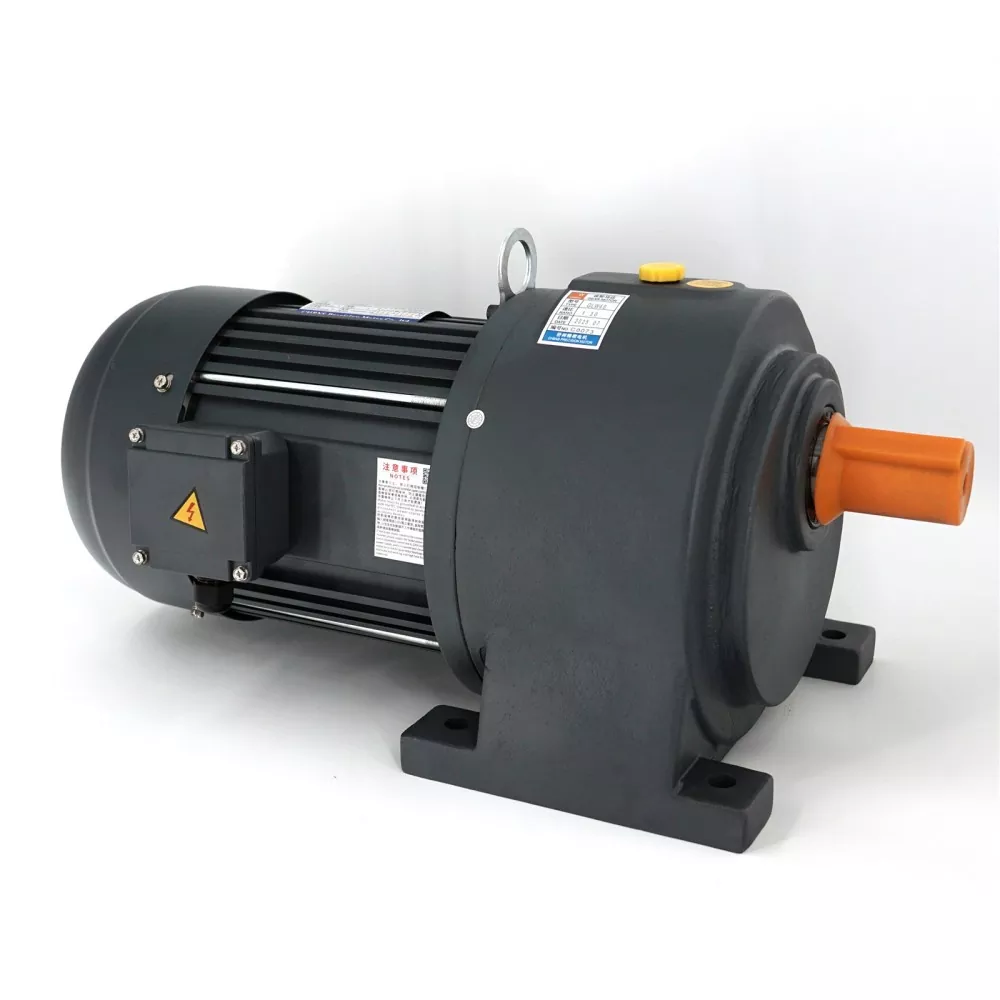
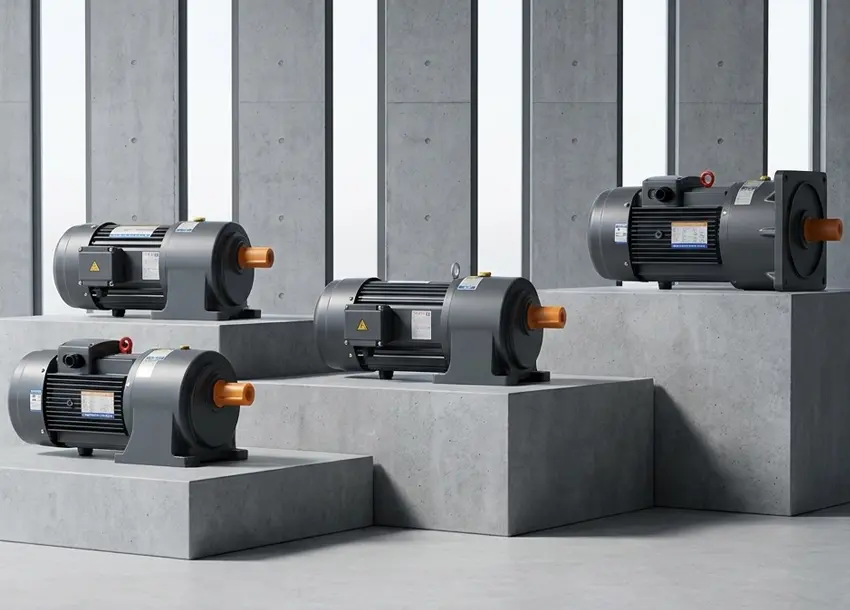
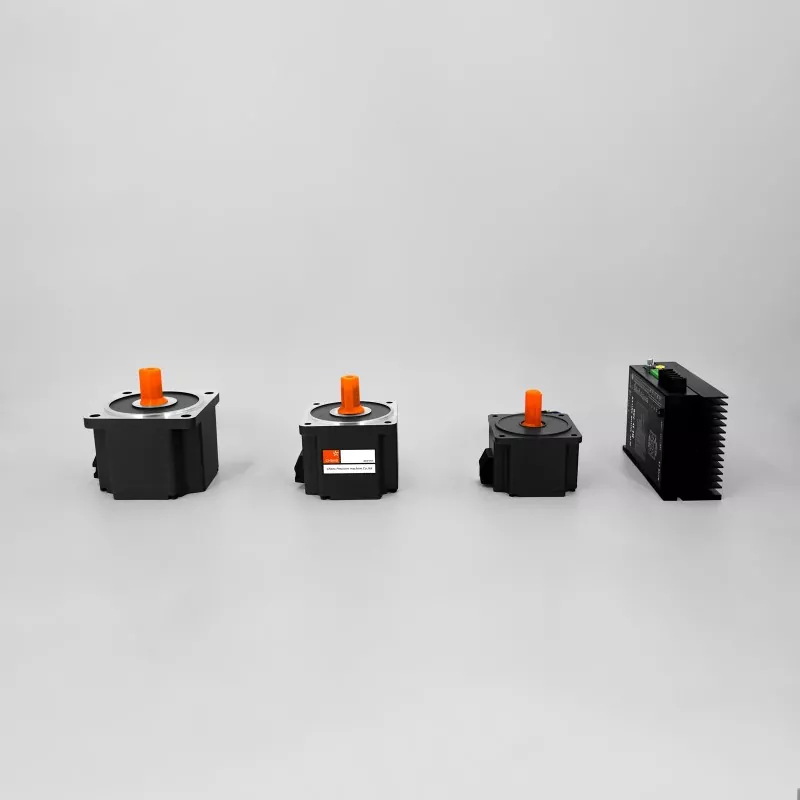
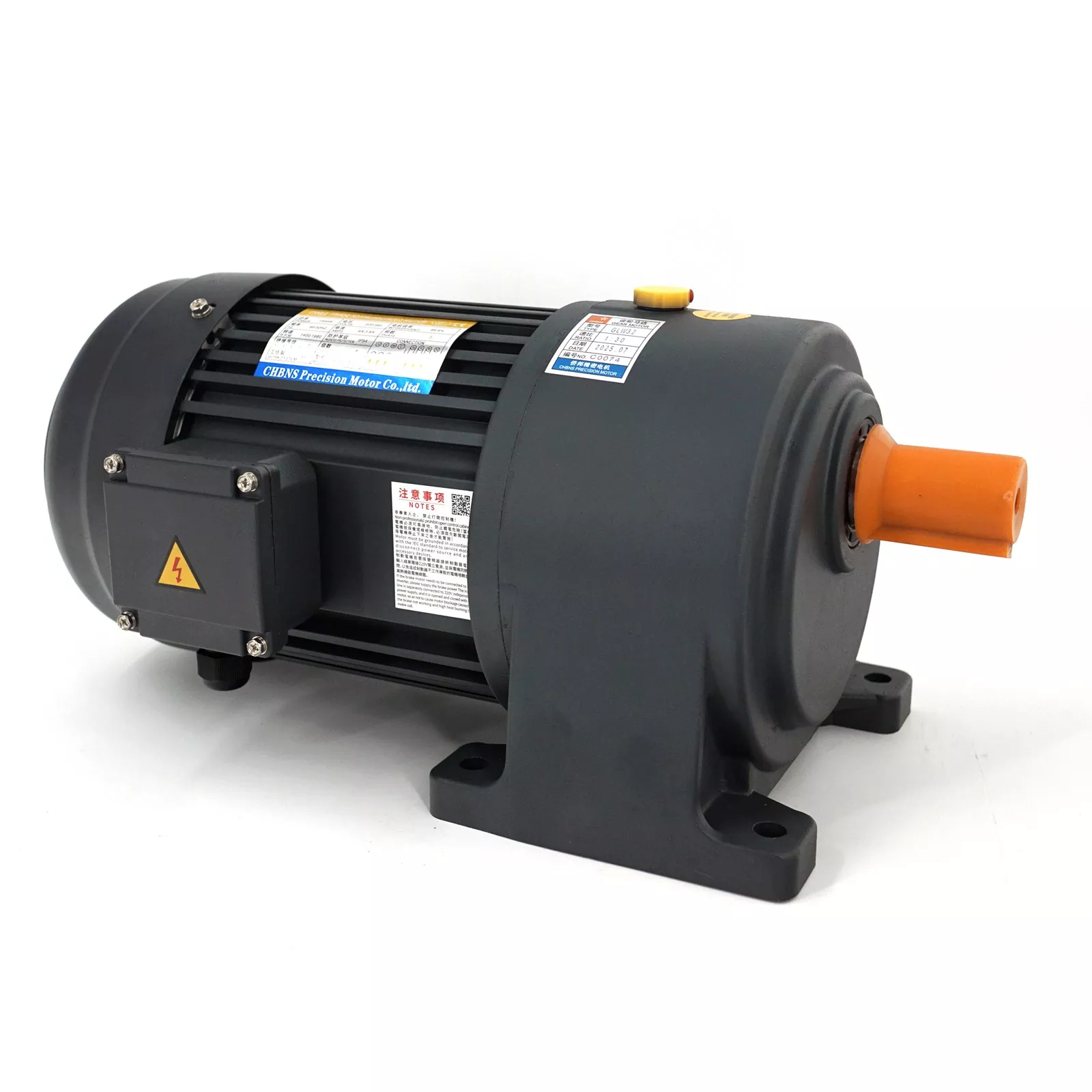
A horizontal foot gear motor is an integrated power transmission unit that combines an electric motor with a reduction gearbox and a foot-mounted installation structure. It is designed to convert high-speed motor rotation into lower-speed, higher-torque mechanical output, making it suitable for industrial machinery that requires controlled and consistent movement.
Unlike a standard electric motor that may deliver rotational speeds unsuitable for direct equipment operation, a gear motor uses an internal gear reduction mechanism to adjust output speed and torque. The horizontal foot-mounted configuration provides a practical way to install the assembly on a flat machine base, support frame, or equipment platform.
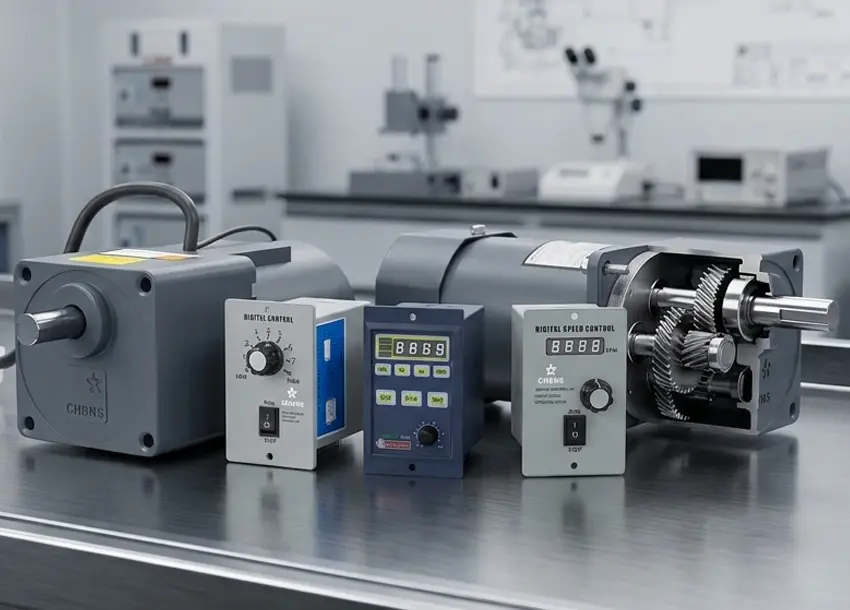
Its main structural components generally include:
- Electric motor: Provides the initial mechanical power through electromagnetic energy conversion.
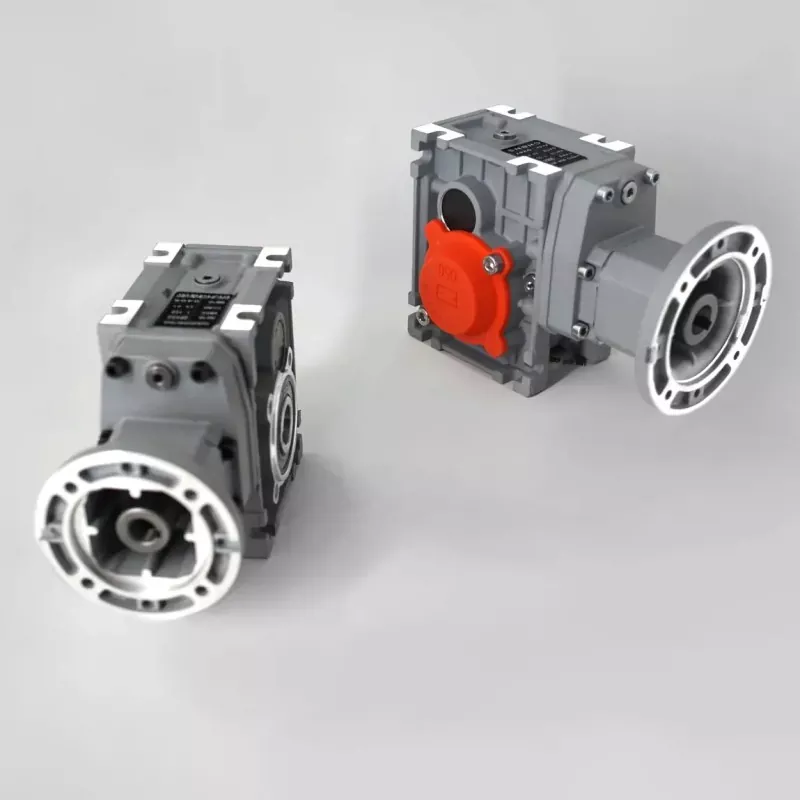
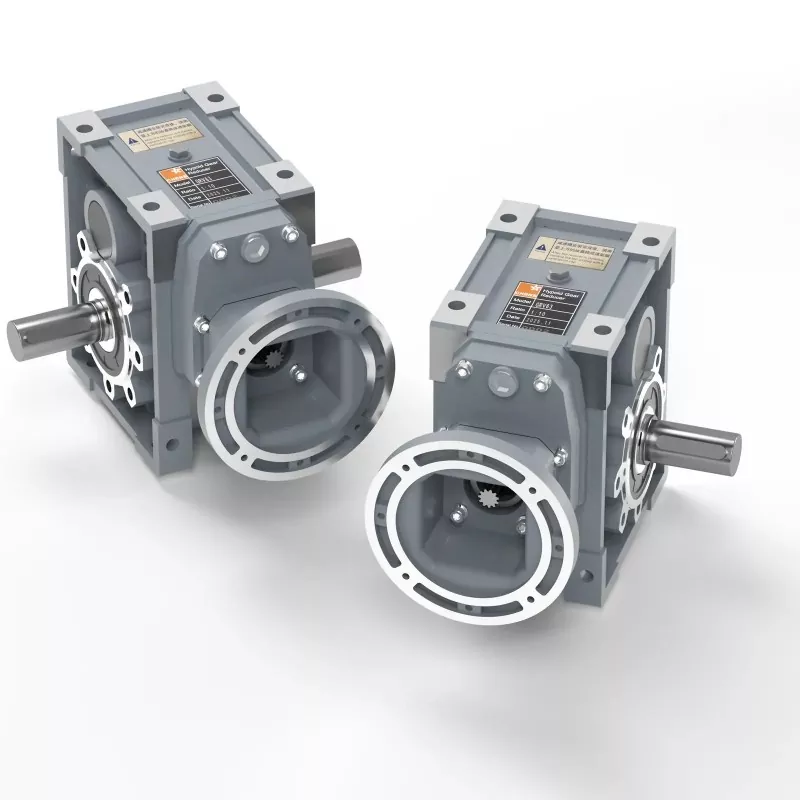
- Reduction gearbox: Changes rotational speed and increases available output torque.
- Gear transmission components: Transfer power through gears such as helical, spur, or other applicable gear arrangements.
- Housing: Protects internal transmission components and supports mechanical alignment.
- Mounting feet: Provide a stable installation interface for securing the unit to a supporting structure.
- Output shaft: Transfers the reduced-speed rotational power to the driven equipment.
The actual configuration depends on the gearbox design, motor type, transmission requirements, and intended application. Understanding these components helps buyers identify whether a horizontal foot gear motor is appropriate for their equipment layout.
2. How Does a Horizontal Foot Gear Motor Work?
A horizontal foot gear motor works by transferring electrical energy into rotational mechanical power and then adjusting that power through a reduction gearbox. The motor generates rotational movement, while the gearbox modifies the relationship between input speed and output torque.
2.1 Motor Power Generation
When electrical power is supplied to the motor, electromagnetic interaction produces rotational force. Depending on the motor configuration, the unit may operate with different voltage, frequency, power ratings, and control methods.
The motor's rated speed and power provide the starting point for determining the appropriate gearbox configuration.
2.2 Speed Reduction Through Gear Transmission
The gearbox contains gear components designed to transfer rotational movement at a predetermined reduction ratio. As the output speed decreases, the available output torque generally increases, subject to transmission efficiency and operating conditions.
For example, a motor running at 1,400 RPM connected to a gearbox with a 20:1 reduction ratio produces an approximate output speed of 70 RPM.
This relationship can be expressed as:
Example: 1,400 RPM ÷ 20 = 70 RPM.
2.3 Torque Transmission to Industrial Equipment
After the gearbox reduces the rotational speed, the output shaft delivers mechanical power to the connected equipment. The driven machine can then perform tasks such as moving materials, rotating rollers, operating conveyors, or driving mechanical assemblies.
Actual output torque depends on motor power, reduction ratio, gearbox efficiency, and operating conditions. Buyers should also consider starting torque, acceleration requirements, and possible load fluctuations rather than relying exclusively on rated output speed.
3. Key Advantages of Horizontal Foot Gear Motors
Horizontal foot gear motors are widely used in industrial environments because their integrated structure and mounting arrangement can simplify mechanical installation and power transmission.
3.1 Convenient Installation and Equipment Integration
The foot-mounted structure allows the gearbox assembly to be secured directly to a suitable mounting base. This arrangement is particularly useful for machinery with horizontal supporting platforms or frames.
Compared with configurations that require different mounting interfaces, a horizontal foot-mounted unit can simplify equipment layout when its mounting dimensions match the machine design.
3.2 Controlled Output Speed and Higher Torque
Many industrial machines cannot operate efficiently at the high rotational speeds of standard electric motors. A reduction gearbox provides a practical way to obtain the required output speed while increasing torque availability.
This is particularly important for applications involving material movement, mechanical resistance, or continuous load transmission.
3.3 Integrated Power Transmission
Combining the motor and gearbox into one assembly can reduce the complexity of separate motor-to-gearbox installation. It also helps equipment designers develop more compact and organized drive systems.
3.4 Flexible Configuration Options
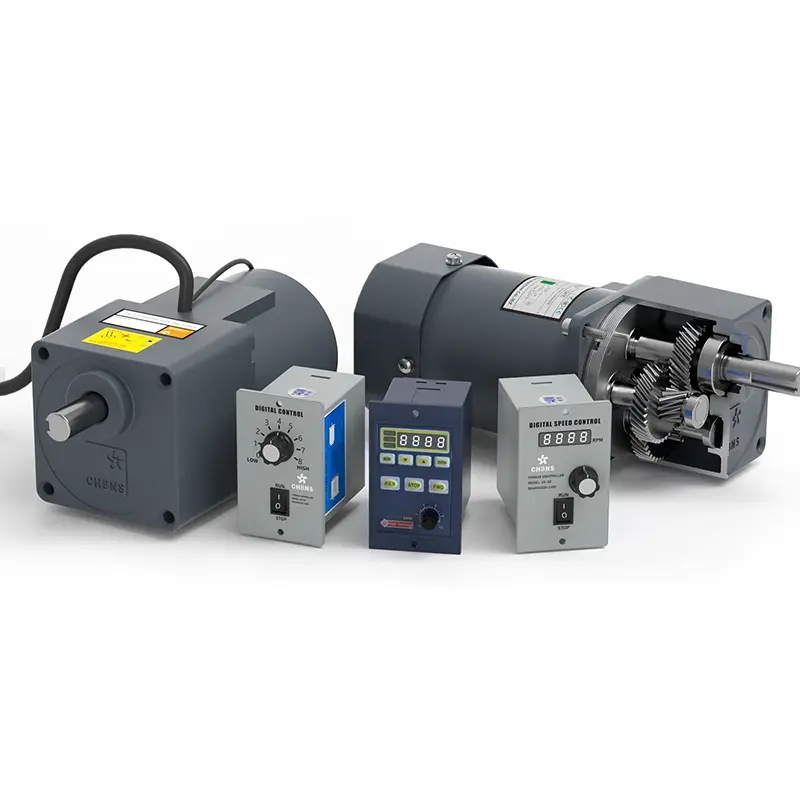
Depending on the manufacturer's product range, buyers may be able to select different motor power ratings, reduction ratios, output shaft arrangements, and installation configurations.
These options help manufacturers adapt drive systems to different production requirements without redesigning the entire mechanical assembly.
3.5 Potentially Lower Maintenance Complexity
An appropriately selected integrated gear motor can simplify routine inspection and maintenance planning. However, actual maintenance requirements depend on gearbox construction, lubrication arrangements, environmental conditions, and operating intensity.
4. Common Industrial Applications
Horizontal foot gear motors can support a wide range of industrial operations where equipment requires reliable low-speed rotational power. Their suitability depends on the required torque, mounting arrangement, environmental conditions, and duty cycle.
4.1 Conveyor Systems
Conveyor equipment needs consistent movement to transport products, raw materials, and packaged goods. A horizontal foot gear motor can drive conveyor rollers, belt systems, and material-handling mechanisms when its output characteristics match the application.
4.2 Packaging and Processing Machinery
Packaging lines often involve synchronized movement, product positioning, and continuous mechanical operation. Gear motors can provide the controlled rotational output needed for conveyor sections, feeding mechanisms, and other moving components.
4.3 Industrial Automation Equipment
Automated production systems use motors and gearboxes to operate mechanical structures, material transfer devices, and production-line assemblies. Selecting the correct reduction ratio and motor control method helps achieve the desired movement characteristics.
4.4 Agricultural and Food Processing Equipment
Industrial mixers, processing machines, and agricultural handling systems may require gear motors to deliver consistent rotational force. In these environments, buyers should pay particular attention to dust, moisture, cleaning requirements, and material compatibility.
4.5 General Manufacturing Machinery
From assembly equipment to industrial handling devices, horizontal foot gear motors can be incorporated into machinery that requires a stable mechanical drive. Their usefulness depends on whether the mounting interface and output specifications meet the equipment's design requirements.
| Application | Typical Drive Requirement | Important Selection Factor |
|---|---|---|
| Conveyor systems | Continuous rotation and load movement | Output torque and duty cycle |
| Packaging machinery | Controlled mechanical movement | Speed stability and control |
| Industrial automation | Repeatable mechanical operation | Gear ratio and integration |
| Food processing | Reliable rotational transmission | Environmental protection |
| Material handling | Load transportation and lifting-related drives | Starting torque and load capacity |
5. How to Choose the Right Horizontal Foot Gear Motor
Choosing a suitable horizontal foot gear motor requires more than comparing motor power ratings or purchase prices. A unit that appears suitable on paper may still cause problems if its output torque, mounting dimensions, or operating characteristics do not match the driven equipment.
The following factors provide a practical selection framework for engineering teams and industrial purchasing professionals.
5.1 Determine the Required Output Speed
Start by identifying the actual rotational speed required by the driven machine. Different production processes have different speed requirements, and selecting an inappropriate reduction ratio may affect productivity or mechanical performance.
Calculate the required gearbox ratio using the motor's rated speed and the target output speed.
5.2 Calculate the Required Output Torque
Torque determines the rotational force available to drive a mechanical load. A motor with sufficient power may still be unsuitable if its gearbox cannot provide the necessary output torque under real operating conditions.
For a rotating system, the approximate relationship between power, speed, and torque is:
For example, a 1.5 kW drive operating at 70 RPM has an ideal calculated torque of approximately 204.6 Nm before considering transmission losses.
For actual equipment selection, engineers should account for gearbox efficiency, service factors, starting loads, shock loads, and the manufacturer's allowable torque ratings.
5.3 Check the Mounting Dimensions
One of the most common purchasing problems involves dimensional incompatibility. Even if the motor and gearbox offer the correct performance, installation may become difficult when mounting dimensions do not match the existing machine.
Before placing an order, verify:
- Foot mounting hole positions and spacing.
- Base dimensions and mounting height.
- Output shaft diameter and length.
- Output shaft orientation and connection method.
- Overall gearbox and motor dimensions.
- Available installation and maintenance clearance.
5.4 Evaluate the Operating Environment
Operating temperature, humidity, dust, water exposure, and ventilation can all influence gear motor performance and service life.
For demanding environments, buyers should confirm the appropriate enclosure protection, lubrication requirements, sealing arrangements, and thermal operating limits with the manufacturer.
5.5 Consider Operating Frequency and Load Conditions
Continuous operation, frequent starting and stopping, variable loads, and occasional overloads create different demands on a gear motor.
A drive system designed for intermittent operation should not automatically be assumed suitable for continuous heavy-duty applications. Confirm the rated duty, permissible starting frequency, and thermal characteristics before selecting the equipment.
5.6 Compare Total Ownership Costs
The lowest initial purchase price does not necessarily represent the most economical option. A more comprehensive purchasing evaluation should include energy consumption, installation expenses, maintenance requirements, replacement availability, and expected operating life.
Evaluating these factors together helps procurement teams make decisions based on long-term operational value rather than price alone.
6. Important Technical Specifications to Evaluate
When comparing horizontal foot gear motor suppliers, technical specifications provide a consistent basis for evaluating product suitability.
| Specification | What It Means | Why It Matters |
|---|---|---|
| Rated Power | Motor's rated mechanical output power | Helps determine whether the drive can handle the required workload. |
| Input Speed | Rotational speed supplied by the motor | Influences the required reduction ratio. |
| Output Speed | Rotational speed delivered by the gearbox | Determines the operating speed of the driven equipment. |
| Reduction Ratio | Relationship between input and output speeds | Helps achieve the desired speed and torque combination. |
| Output Torque | Rotational force available at the output shaft | Determines the drive's ability to move the load. |
| Mounting Position | Specified installation orientation | Affects mechanical compatibility and lubrication requirements. |
| Protection Rating | Resistance to dust and water ingress | Helps determine suitability for the operating environment. |
| Insulation Class | Thermal classification of motor insulation | Important for temperature management and operating reliability. |
| Duty Rating | Specified operating duty conditions | Helps confirm suitability for continuous or intermittent operation. |
Not every project requires the same technical configuration. Buyers should provide their application requirements and request the corresponding manufacturer's datasheets, dimensional drawings, and performance information before finalizing specifications.
7. Common Selection and Installation Mistakes
Many gear motor problems originate from incorrect selection, incomplete technical communication, or improper installation rather than product defects alone. Avoiding the following mistakes can reduce commissioning difficulties and unexpected operating costs.
7.1 Selecting Based Only on Motor Power
Motor power is important, but it does not independently determine whether a gear motor can handle a specific application. Output torque, reduction ratio, operating speed, and service conditions must also be evaluated.
7.2 Ignoring Installation Compatibility
Purchasing a unit without checking the mounting dimensions and output shaft specifications can lead to additional machining, adapter components, or installation delays.
Providing technical drawings of the existing equipment can help suppliers identify dimensional compatibility before production.
7.3 Underestimating Starting and Shock Loads
Some industrial machines experience higher torque requirements during startup or sudden load changes. Selecting a gear motor based only on steady-state operating conditions may result in insufficient performance.
Engineers should assess the maximum expected load and consult the supplier regarding appropriate service factors.
7.4 Overlooking Lubrication Requirements
Gearbox lubrication is essential for reducing friction, managing heat, and protecting internal transmission components. Incorrect lubricant selection, inadequate lubrication, or unsuitable installation orientation can negatively affect gearbox performance.
7.5 Failing to Confirm Electrical Compatibility
Voltage, frequency, phase configuration, wiring requirements, and motor control compatibility should be confirmed before ordering. This is particularly important for international projects where electrical standards may differ between markets.
8. Maintenance Practices for Long-Term Performance
Proper maintenance helps preserve the operating condition of a horizontal foot gear motor and reduces the risk of unexpected equipment downtime. A practical maintenance program should follow the manufacturer's recommendations and reflect actual operating conditions.
8.1 Inspect Mounting and Mechanical Connections
Periodically check mounting bolts, foundation conditions, coupling connections, and shaft alignment. Loose fasteners or misalignment can contribute to vibration, noise, and premature mechanical wear.
8.2 Monitor Operating Temperature
Unexpected temperature increases may indicate excessive loading, insufficient lubrication, poor ventilation, or other operating issues. Compare operating temperatures with the manufacturer's specified limits rather than relying on general assumptions.
8.3 Check for Unusual Noise and Vibration
Changes in operating noise or vibration may indicate bearing wear, gear damage, alignment problems, or loose mechanical connections. Investigating these changes early can help prevent more serious equipment failures.
8.4 Follow Lubrication Recommendations
Check lubricant type, quantity, replacement intervals, and inspection procedures according to the gearbox manufacturer's instructions. Different gearbox designs may have different lubrication requirements.
8.5 Keep the Motor Properly Ventilated
Dust accumulation around cooling surfaces can restrict heat dissipation. Maintain suitable ventilation and keep the surrounding installation area clean, especially in environments with airborne particles.
9. Why Work with an Experienced Gear Motor Manufacturer?
Finding the right horizontal foot gear motor involves more than identifying a product with matching basic specifications. Industrial buyers also need dependable technical communication, clear product documentation, and support throughout the purchasing process.
Working with an experienced manufacturer can help reduce uncertainty during product evaluation and equipment integration.
9.1 Technical Product Selection Support
A capable manufacturer should be able to help buyers evaluate motor power, gearbox ratios, output torque, mounting configurations, and other relevant technical requirements.
Clear communication is particularly important for customized machinery and projects with specific installation constraints.
9.2 Manufacturing and Quality Management
Buyers should evaluate manufacturing capabilities, production consistency, inspection procedures, and available quality documentation. These factors can help determine whether a supplier is suitable for long-term industrial procurement.
9.3 Customization and Project Compatibility
Different equipment manufacturers may require specific output shaft dimensions, mounting arrangements, electrical configurations, or other mechanical adaptations.
When standard configurations do not fully satisfy project requirements, it is important to discuss customization feasibility, technical limitations, production lead times, and minimum order quantities before proceeding.
9.4 Clear Communication and After-Sales Support
Reliable supplier communication helps buyers address technical questions, coordinate production requirements, and obtain relevant product documentation. After-sales support is also an important consideration for equipment manufacturers and industrial distributors.
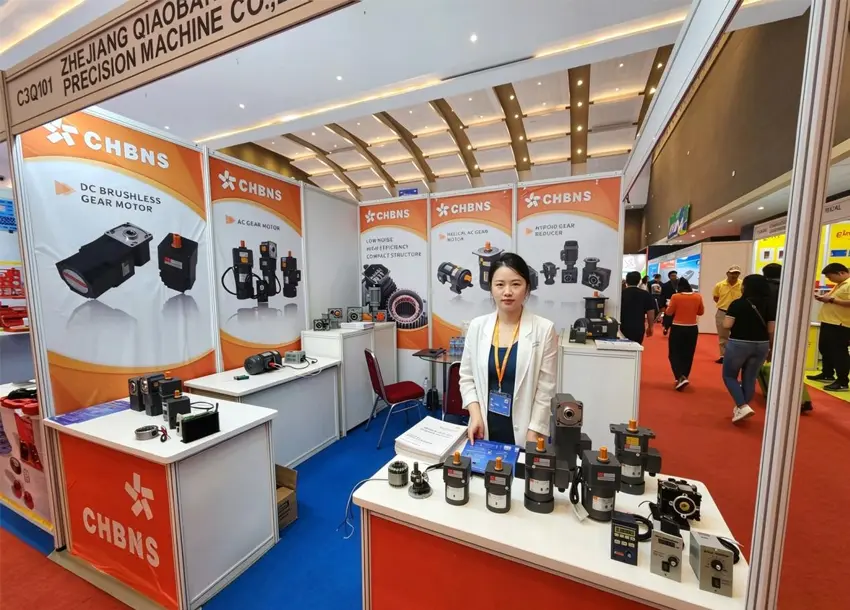
Zhejiang Qiaobang Precision Machine Co., Ltd. is a company name that industrial buyers can consider when evaluating gear motor sourcing opportunities. For specific product selection, purchasing teams should communicate their required specifications and confirm available configurations, technical documentation, manufacturing capabilities, and support services directly with the company.
Taking the time to evaluate these factors can help establish a more reliable supplier relationship and improve the efficiency of future procurement projects.
10. Frequently Asked Questions
Q1: What is the main purpose of a horizontal foot gear motor?
A horizontal foot gear motor reduces the high rotational speed of an electric motor while increasing available output torque. Its foot-mounted structure allows it to be installed on a suitable horizontal base, making it useful for conveyors, industrial machinery, material handling equipment, and other mechanical drive systems.
Q2: What is the difference between a horizontal foot gear motor and a standard electric motor?
A standard electric motor primarily provides rotational power at its rated speed. A horizontal foot gear motor integrates a reduction gearbox, allowing it to deliver lower output speeds and higher torque. It also incorporates a foot-mounted installation structure for mechanical integration.
Q3: How do I calculate the reduction ratio of a gear motor?
Divide the motor's input speed by the required output speed. For example, if the motor operates at 1,400 RPM and the required output speed is 70 RPM, the theoretical reduction ratio is 20:1.
Q4: Can a horizontal foot gear motor operate continuously?
Yes, certain configurations are designed for continuous operation. However, continuous-duty suitability depends on motor design, rated duty, gearbox capacity, thermal conditions, lubrication, and operating load. Always verify the manufacturer's specifications before purchasing.
Q5: How do I select the appropriate output torque?
Determine the driven machine's load requirements, operating speed, acceleration needs, and potential shock loads. Calculate the required torque and account for gearbox efficiency and an appropriate service factor. The selected gearbox must also remain within its allowable mechanical and thermal limits.
Q6: What mounting information should I provide when ordering?
Provide the mounting hole spacing, base dimensions, mounting height, output shaft diameter, shaft length, shaft orientation, and available installation space. A technical drawing or photograph of the existing equipment can help the supplier evaluate compatibility.
Q7: What causes a gear motor to overheat?
Common causes include excessive loading, inadequate lubrication, poor ventilation, unsuitable operating conditions, electrical problems, and mechanical misalignment. The cause should be identified by checking the motor and gearbox against their rated operating conditions.
Q8: Is a customized horizontal foot gear motor available?
Customization may be available depending on the manufacturer's capabilities. Common project requirements include specific reduction ratios, output shaft dimensions, mounting arrangements, motor specifications, and electrical configurations. Buyers should provide detailed technical requirements to confirm feasibility.
Q9: What information should I request from a gear motor supplier?
Request a product datasheet, dimensional drawing, rated power, input and output speeds, reduction ratio, output torque, mounting specifications, electrical parameters, protection rating, and applicable quality documentation. Also clarify warranty terms, delivery schedules, and after-sales support.
Q10: How can I reduce the maintenance costs of a horizontal foot gear motor?
Choose a correctly sized unit, maintain proper alignment, follow lubrication recommendations, monitor temperature and vibration, and conduct regular inspections. Preventive maintenance can help identify potential problems before they lead to costly equipment downtime.
Conclusion: Making a Better Horizontal Foot Gear Motor Investment
A horizontal foot gear motor plays an important role in industrial power transmission by combining motor-driven rotation with gearbox speed reduction and torque enhancement. Its installation structure, mechanical compatibility, and operating characteristics make it a practical option for a variety of manufacturing and material-handling applications.
For industrial equipment manufacturers and procurement professionals, the most important step is to evaluate the complete application rather than selecting a unit based on a single specification. Output torque, reduction ratio, mounting dimensions, electrical compatibility, duty cycle, and operating environment should all be considered before making a purchasing decision.
By working with a knowledgeable supplier and providing clear technical requirements, buyers can identify a more suitable drive solution, improve equipment integration, and support long-term operational reliability.
Looking for a Reliable Gear Motor Solution?
Choosing the right gear motor starts with understanding your equipment requirements. Whether you need a standard configuration or a solution tailored to a specific industrial application, Zhejiang Qiaobang Precision Machine Co., Ltd. can be contacted to discuss your project requirements and product selection needs.
Have questions about specifications, mounting dimensions, output torque, or customization? Contact us today to discuss your application and explore suitable gear motor solutions for your business.