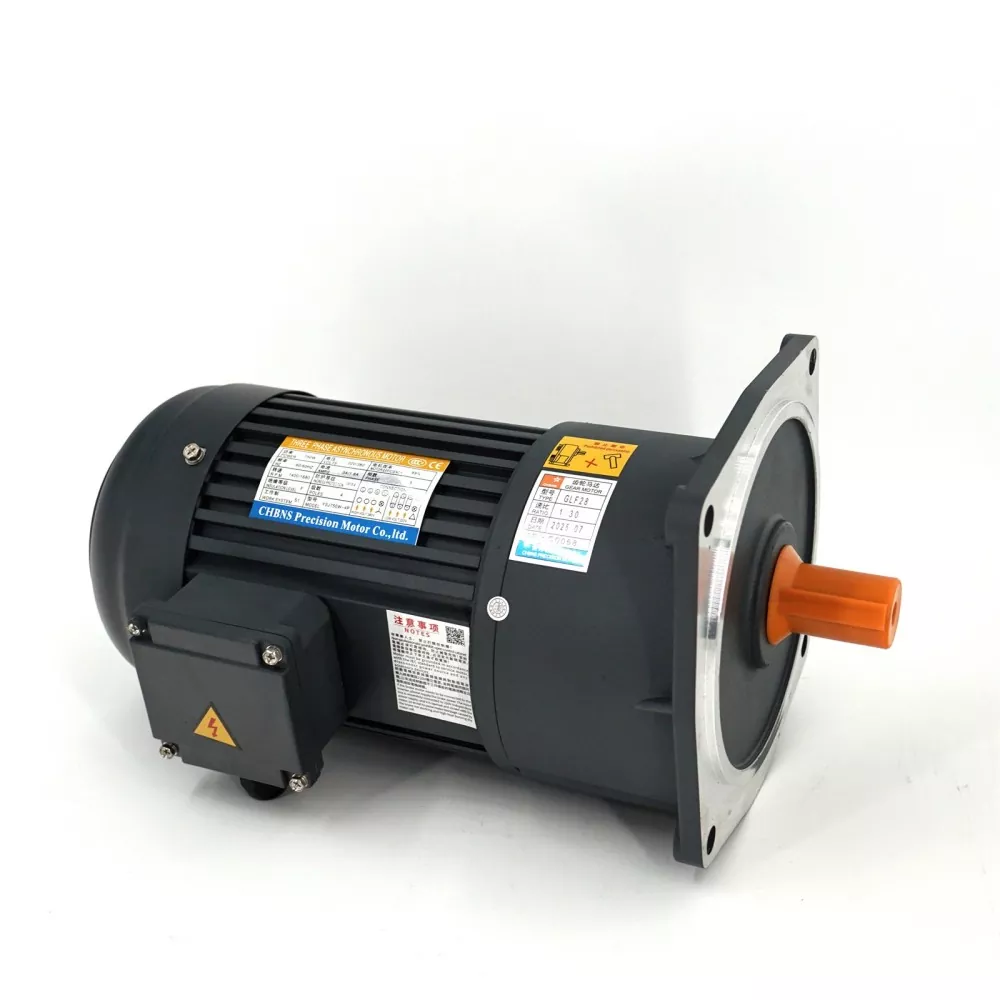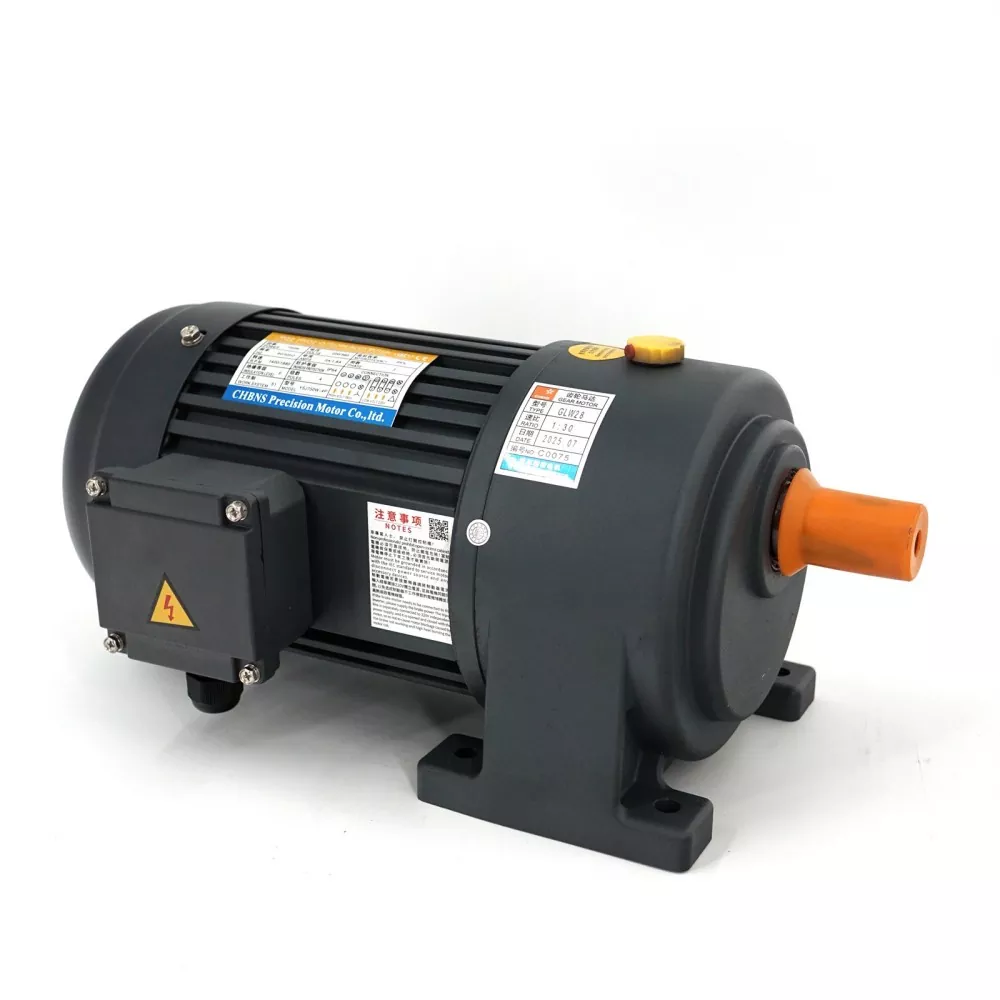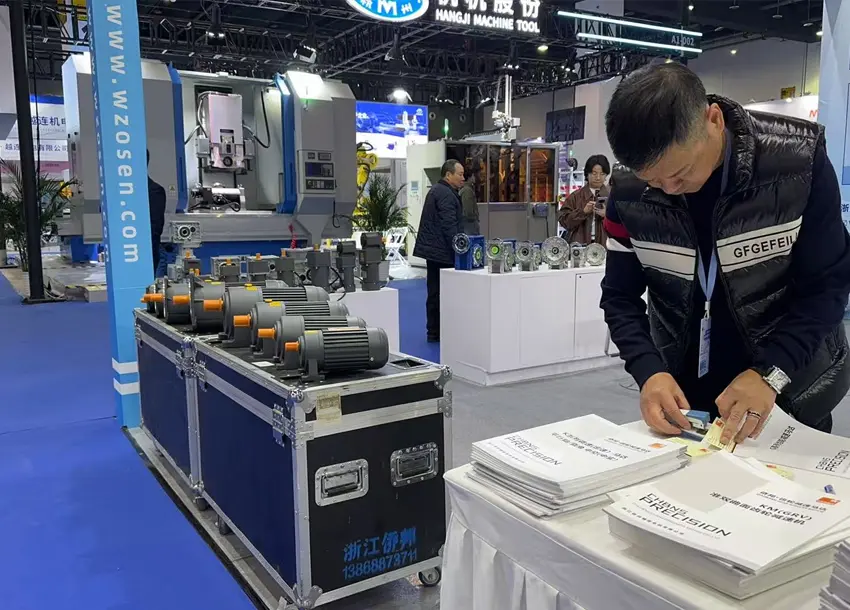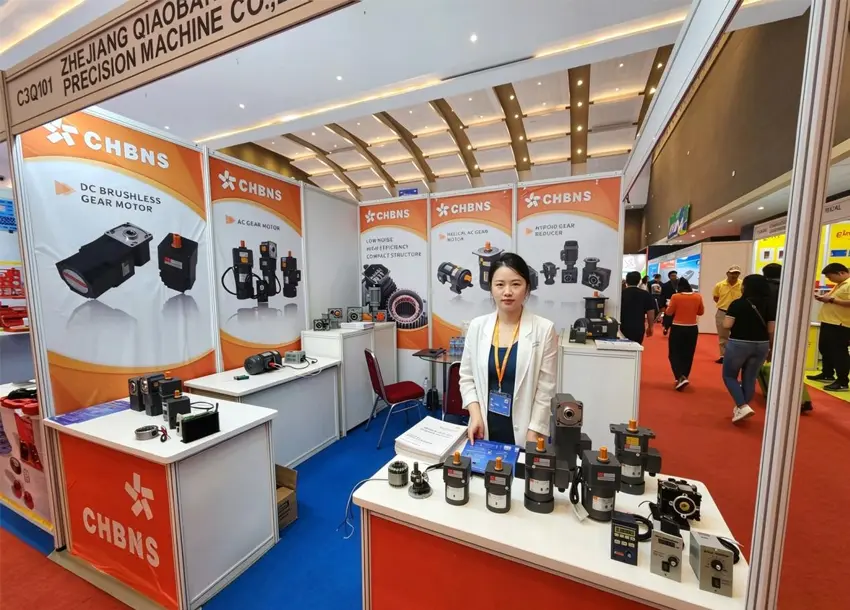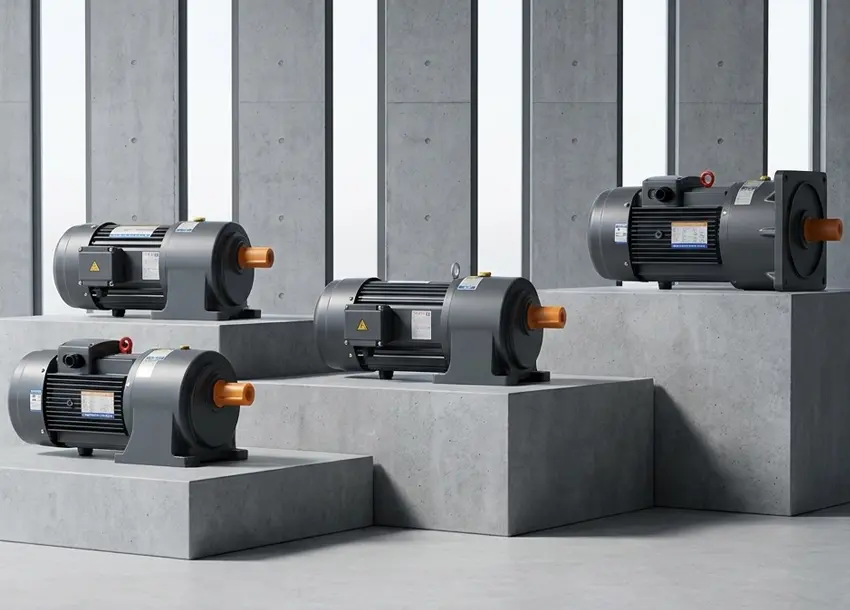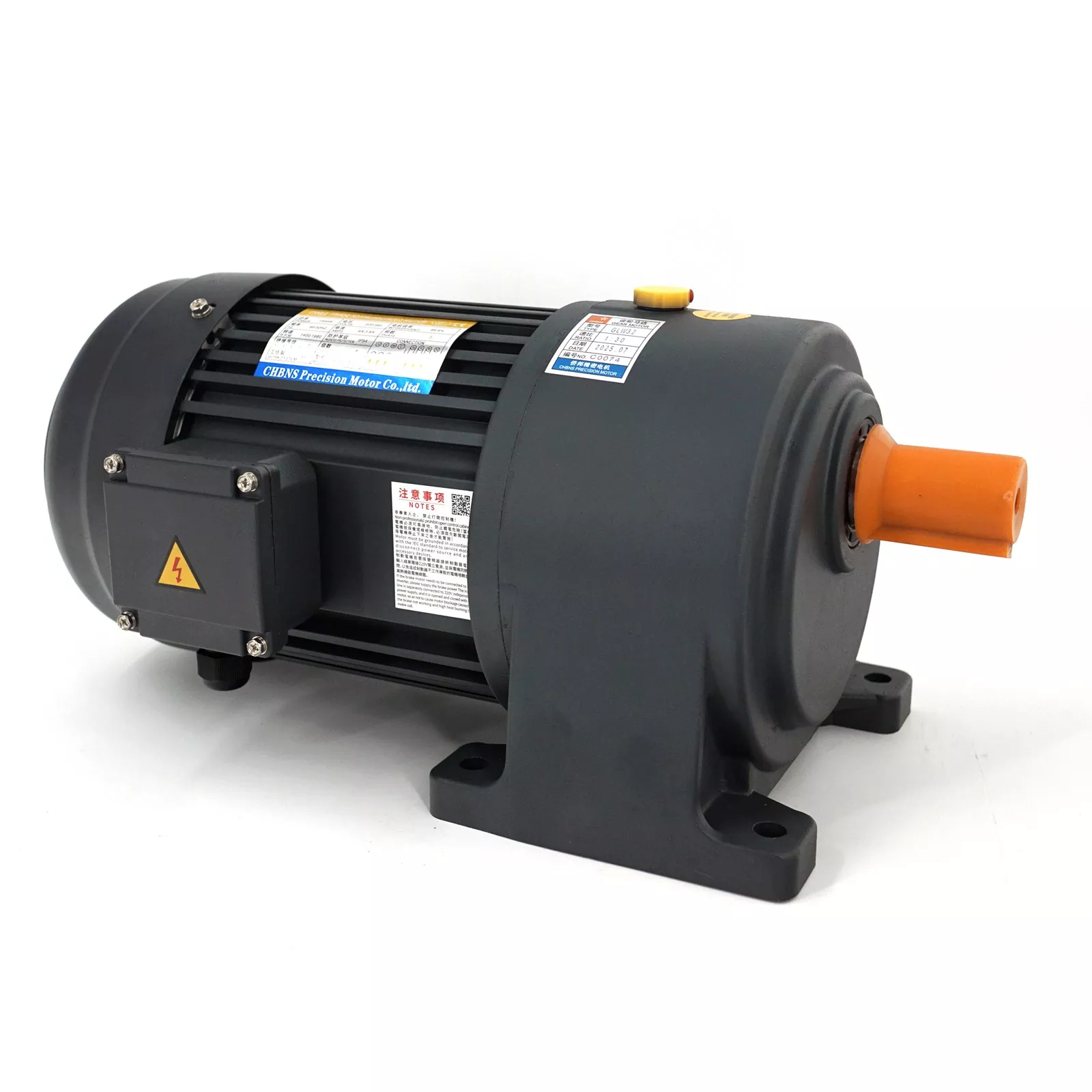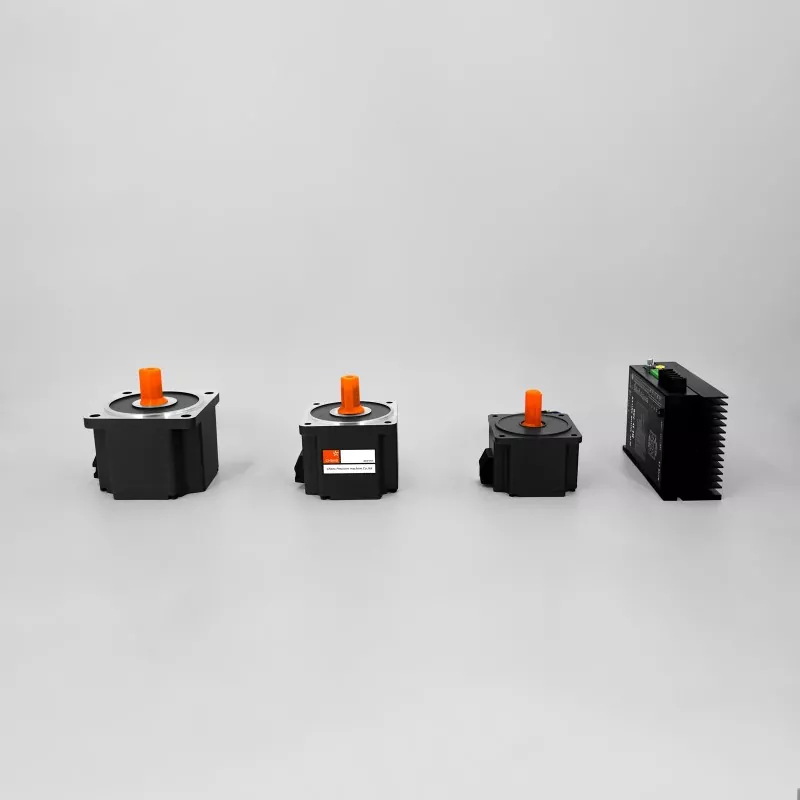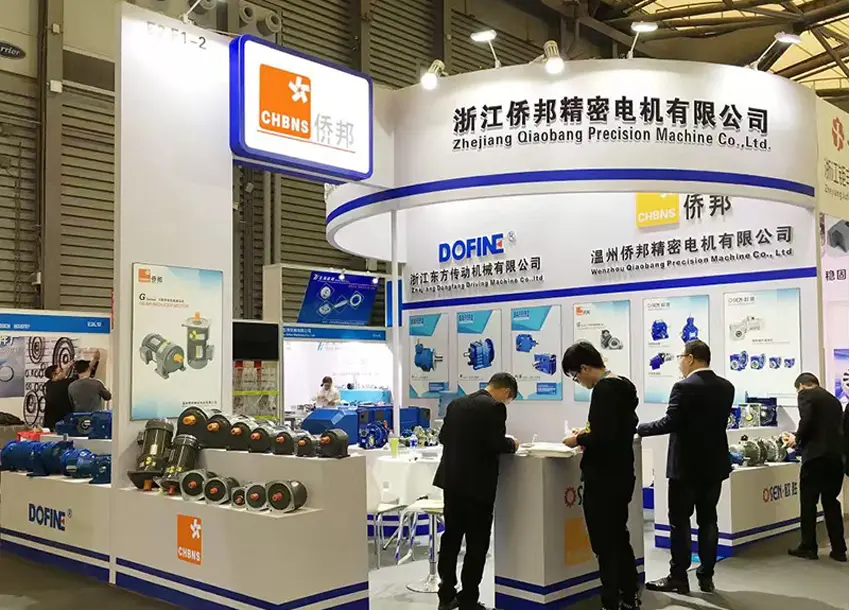
When production speed needs to change throughout a working cycle, the motor must operate within the limits of its variable frequency drive (VFD) and mechanical load. Variable Frequency Inverter Duty Motors are intended for applications that require variable-speed operation under defined electrical and mechanical conditions. CHBNS, a China motor manufacturer and supplier, provides motor and drive-control products for industrial equipment with different speed regulation requirements.
A frequency inverter adjusts the electrical supply frequency to control motor speed. This allows a machine to operate at different speeds according to its process requirements, rather than relying on a fixed-speed operating point. The motors must be suitable for the intended frequency range, torque demand, cooling conditions, and inverter output characteristics.
Selecting Variable Frequency Inverter Duty Motors involves evaluating the complete drive system. Motor specifications, inverter settings, mechanical load, and operating duration all influence performance. Where a motor is used with a gearbox, the reduction ratio must also be considered when determining the required output speed and torque.
Operating frequency and speed range: Determine the minimum and maximum speeds required by the equipment, and confirm that the selected motor supports the intended operating range.
Torque requirements: Consider starting torque, acceleration, changes in load, and the torque needed throughout the working cycle.
Electrical compatibility: Match the motor's rated voltage, current, frequency, and other electrical specifications with the selected inverter.
Cooling and temperature: Evaluate motor cooling when operating at reduced speeds or under sustained high-load conditions.
Insulation and drive output: Check the motor's suitability for the inverter's output characteristics and the electrical stresses associated with the intended operating conditions.
Installation and working environment: Confirm the mounting arrangement, available space, ambient conditions, and applicable protection requirements.
Variable frequency inverter duty motors are used in industrial equipment where rotational speed needs to follow changing process requirements. Depending on the motor design and ratings, applications may include conveyors, packaging machinery, material handling systems, automated production equipment, and industrial processing lines.
In these applications, variable-speed operation can help coordinate equipment movement, adjust conveying speed, or match motor operation to different stages of production. The suitable motor and inverter combination depends on the actual load, operating profile, and required speed range.
Choosing a motor and inverter by power rating alone may overlook important operating differences. The motor's rated current, voltage, frequency, torque characteristics, and cooling method should be considered alongside the inverter's output capacity and control method. Frequent starts, rapid speed changes, and prolonged low-speed operation also affect the selection.
For drive systems that include a gear reducer, confirm the required output speed, reduction ratio, and permissible gearbox load. Evaluating the motor, inverter, and mechanical transmission together helps establish whether the selected configuration meets the equipment's operating requirements.
Variable Frequency Inverter Duty Motors are intended for operation with variable-frequency control within their specified operating limits. They are selected for applications where speed regulation and compatibility with the inverter are important to the drive system.
Inverter duty motors are designed or specified for defined variable-frequency operating conditions. Standard motors may also support VFD operation, but their suitability depends on their electrical design, insulation, cooling method, and permitted speed range.
This depends on each motor's cooling system, torque requirements, duty rating, and specified speed range. Motors relying on shaft-mounted fans may provide less cooling at low speeds, so continuous operation should be checked against the manufacturer's specifications.
Match the inverter to the motor's rated voltage, current, power, and frequency requirements. Also evaluate the required speed range, starting torque, control method, and load characteristics to determine whether the inverter is suitable for the intended application.
Yes. These motors can be combined with compatible gearboxes when the application requires reduced output speed or a different torque range. The motor rating, reduction ratio, gearbox capacity, and operating conditions must be considered together.
Provide the required motor power, supply voltage, operating frequency, speed range, load characteristics, and installation requirements. If an inverter or gearbox has already been selected, include its specifications to support compatibility assessment.