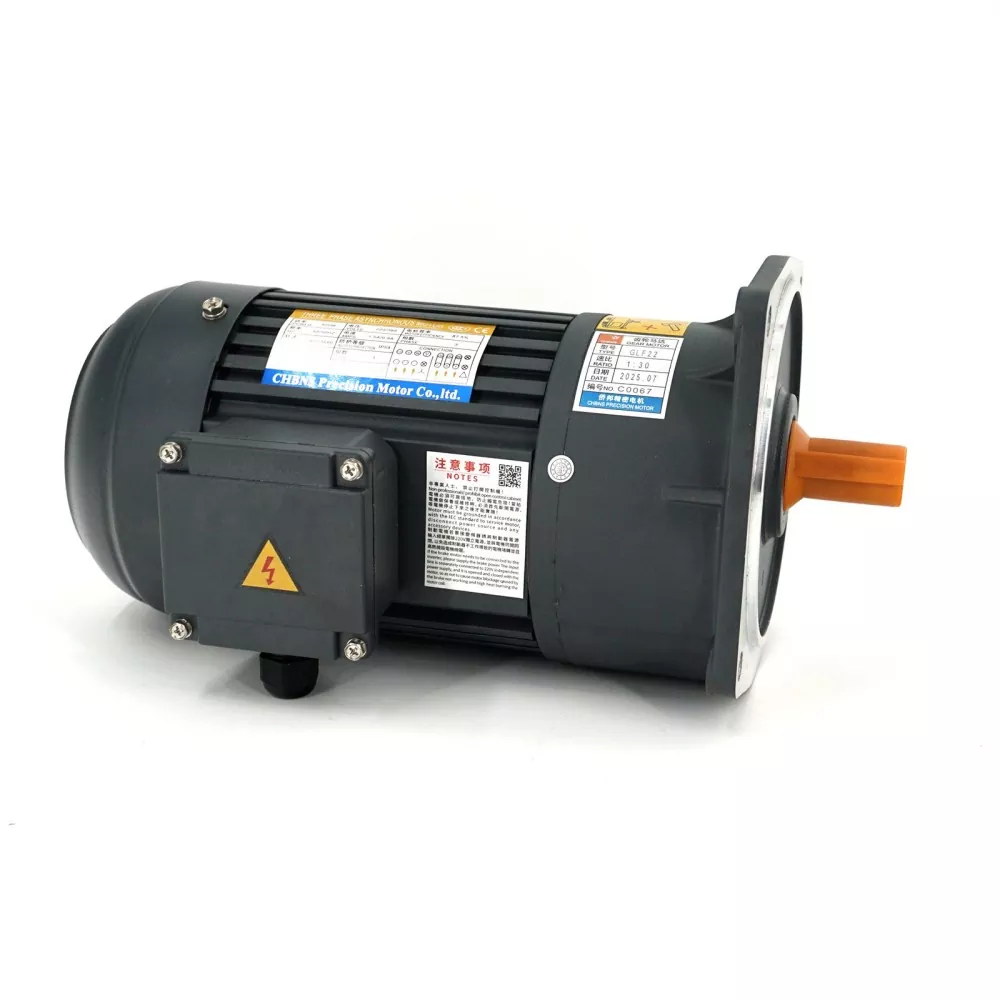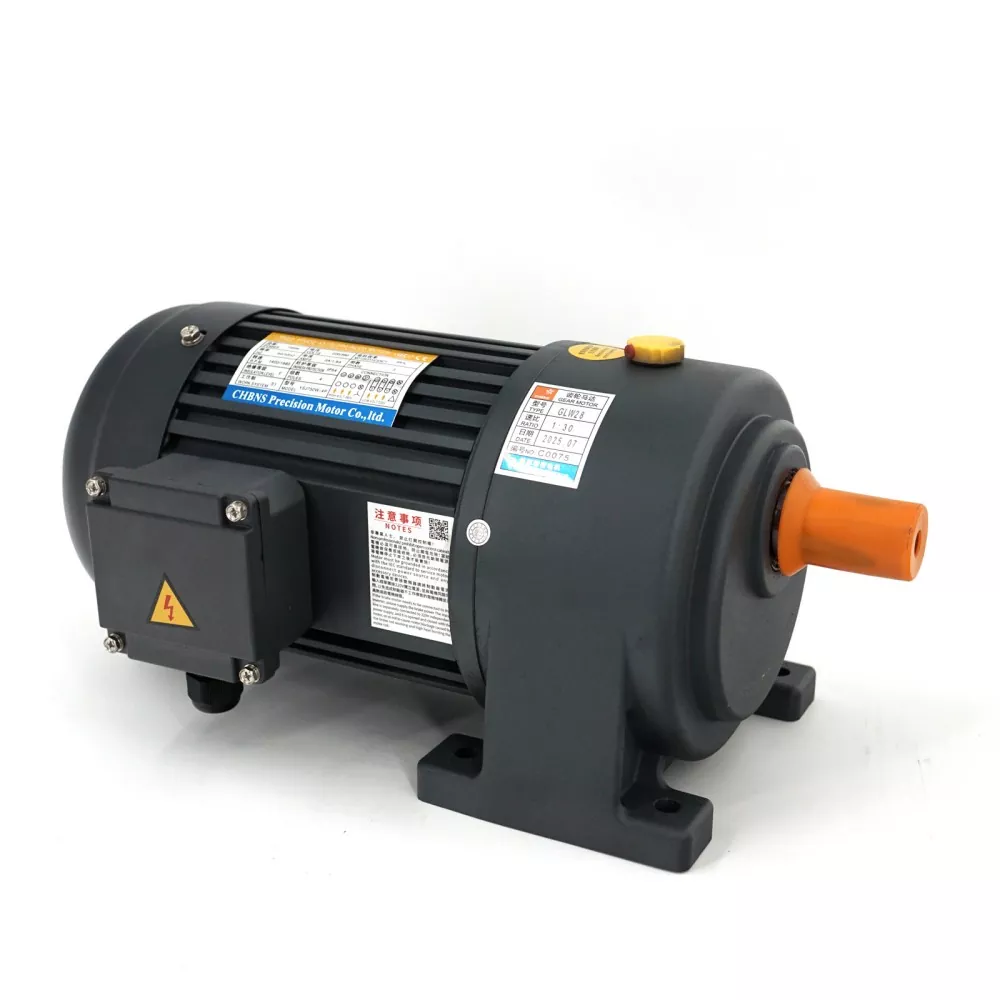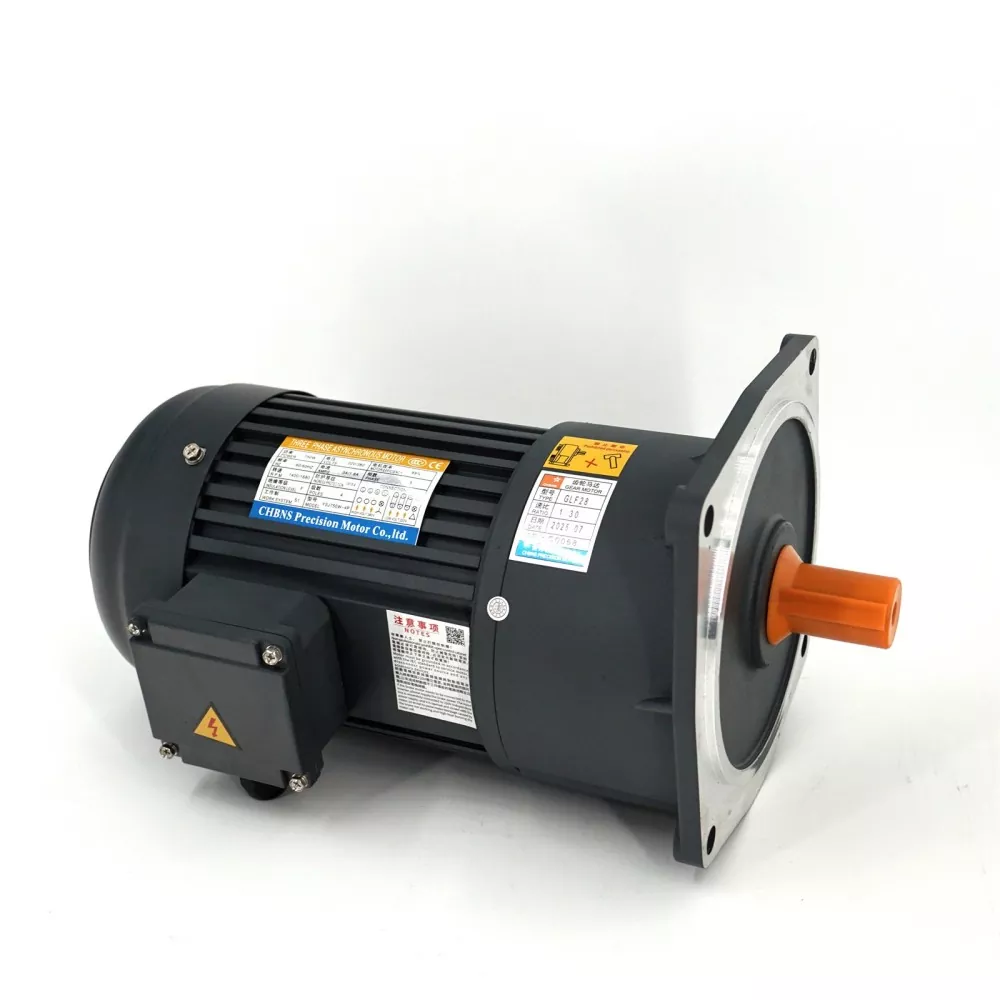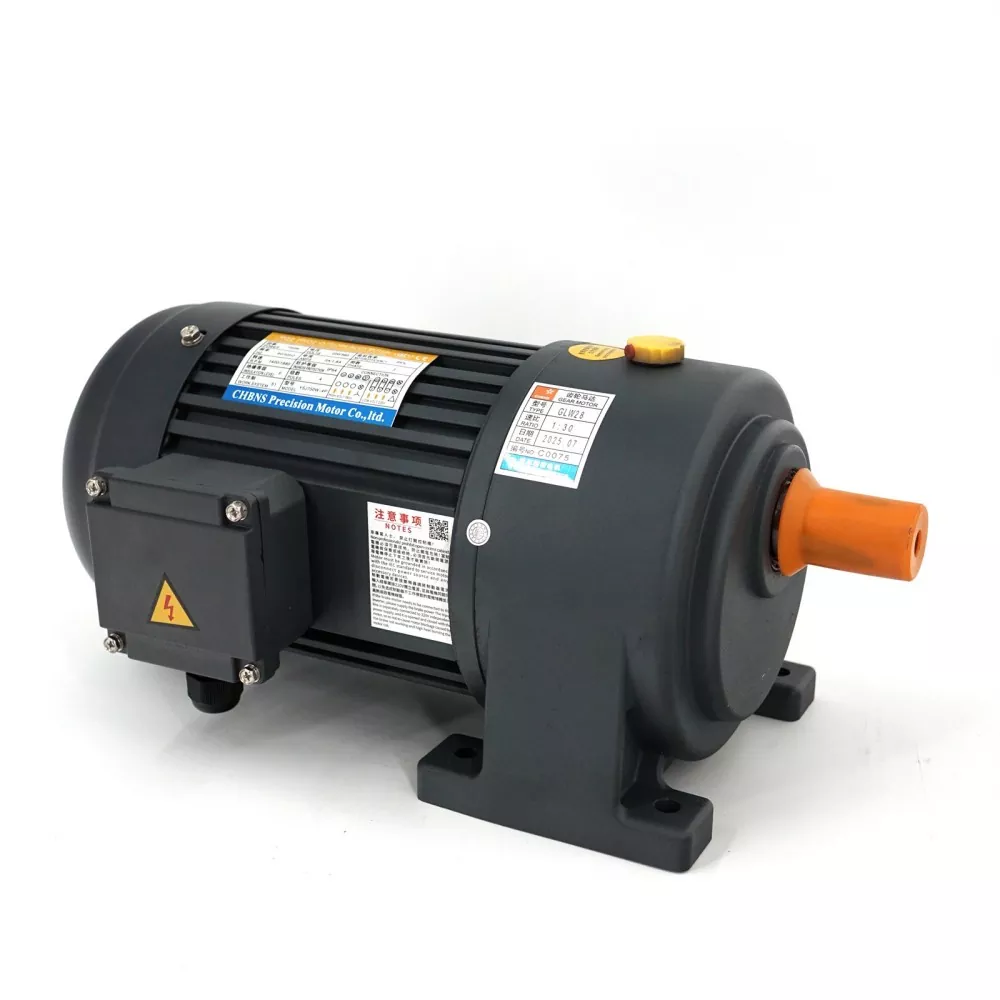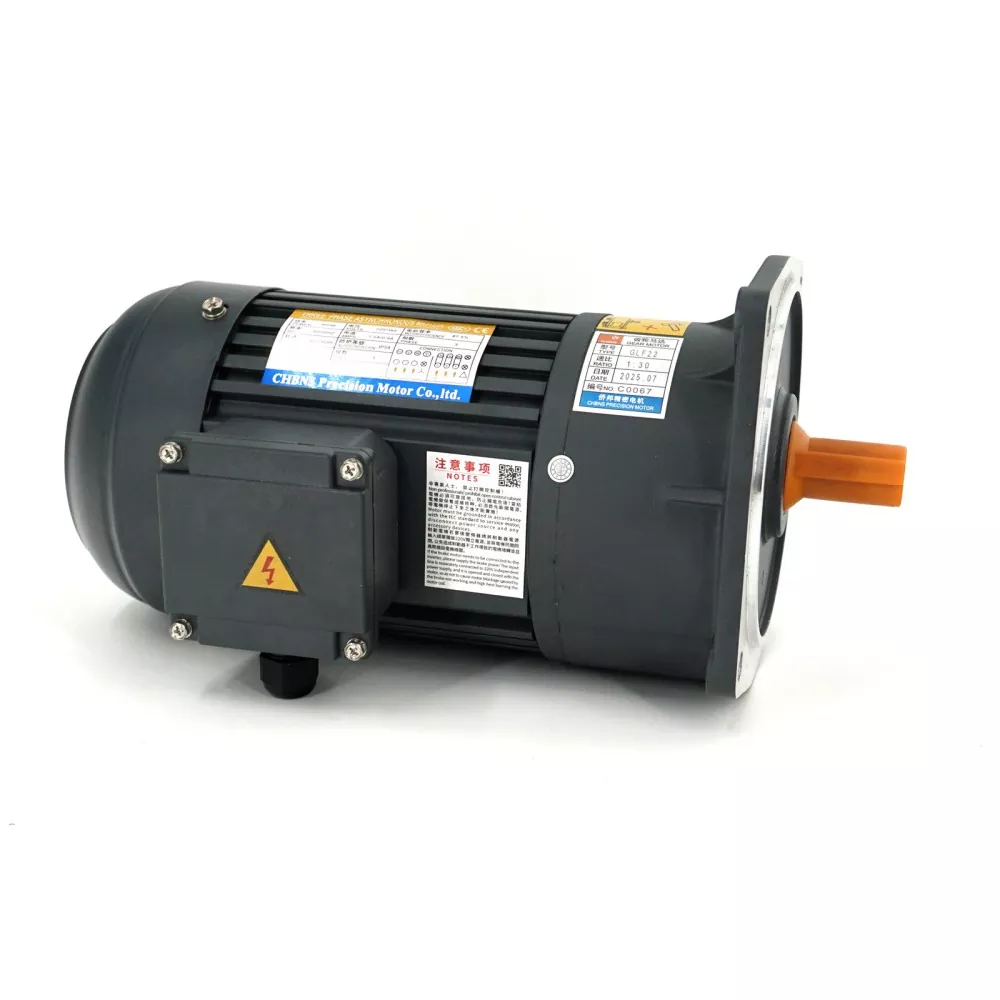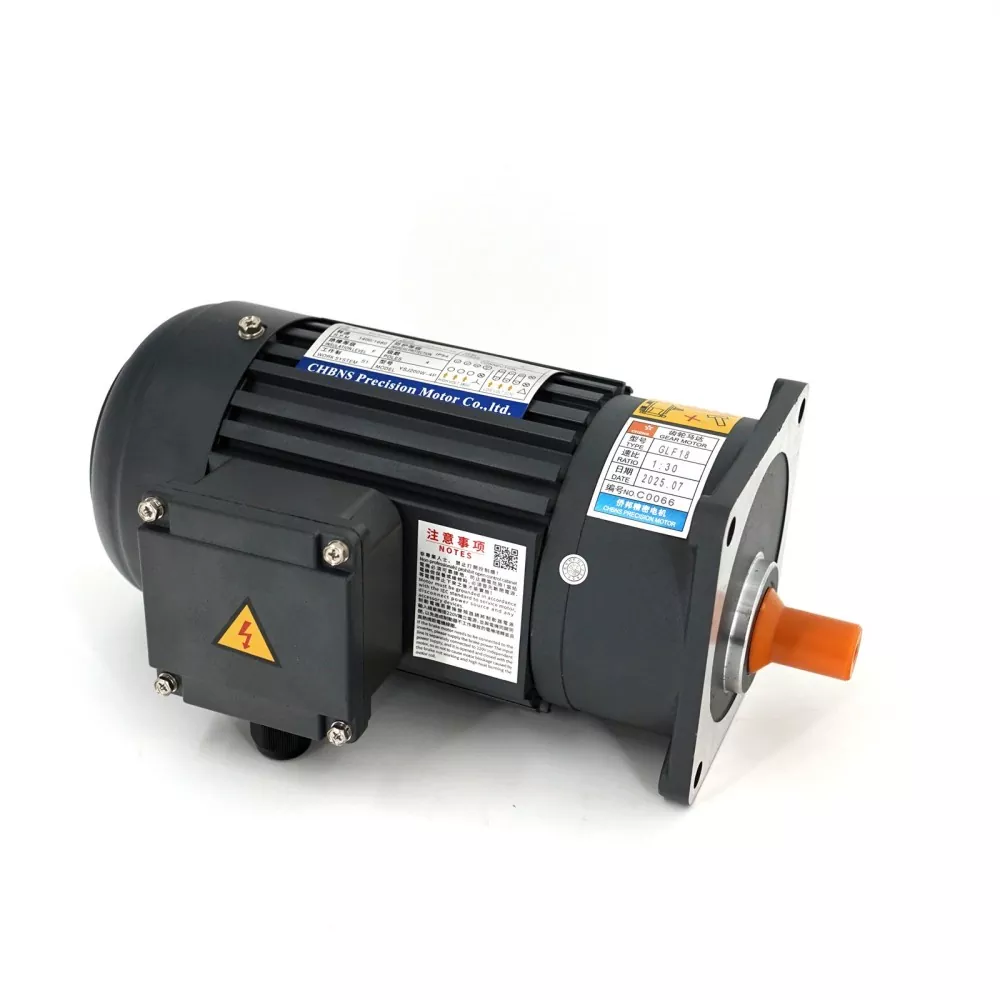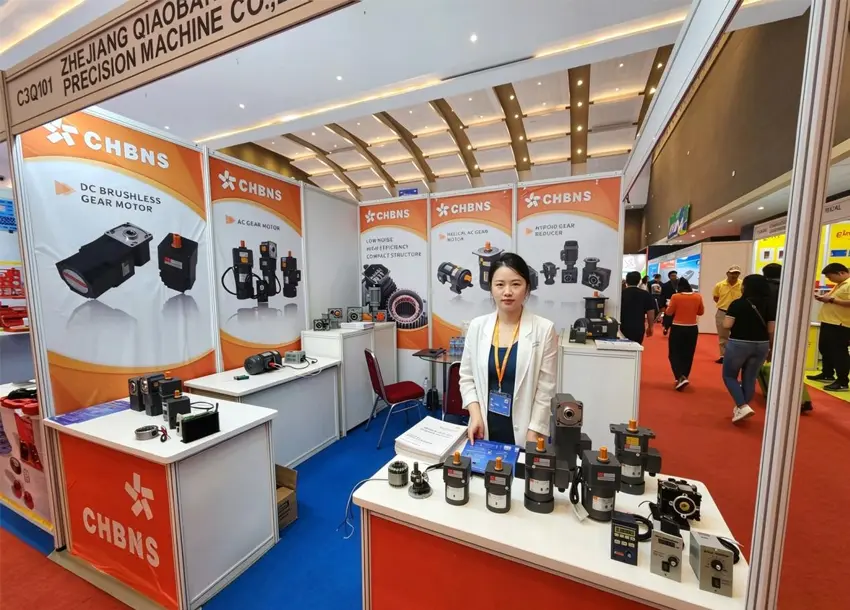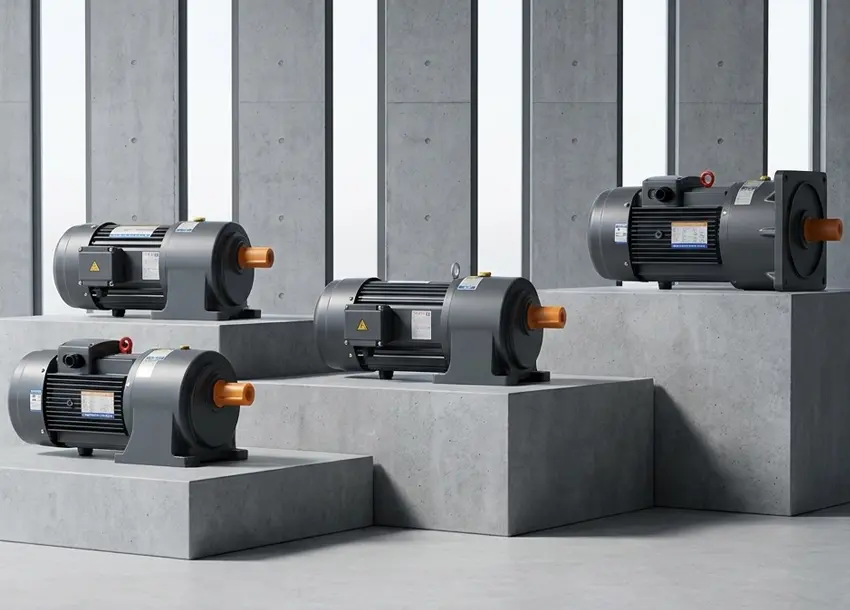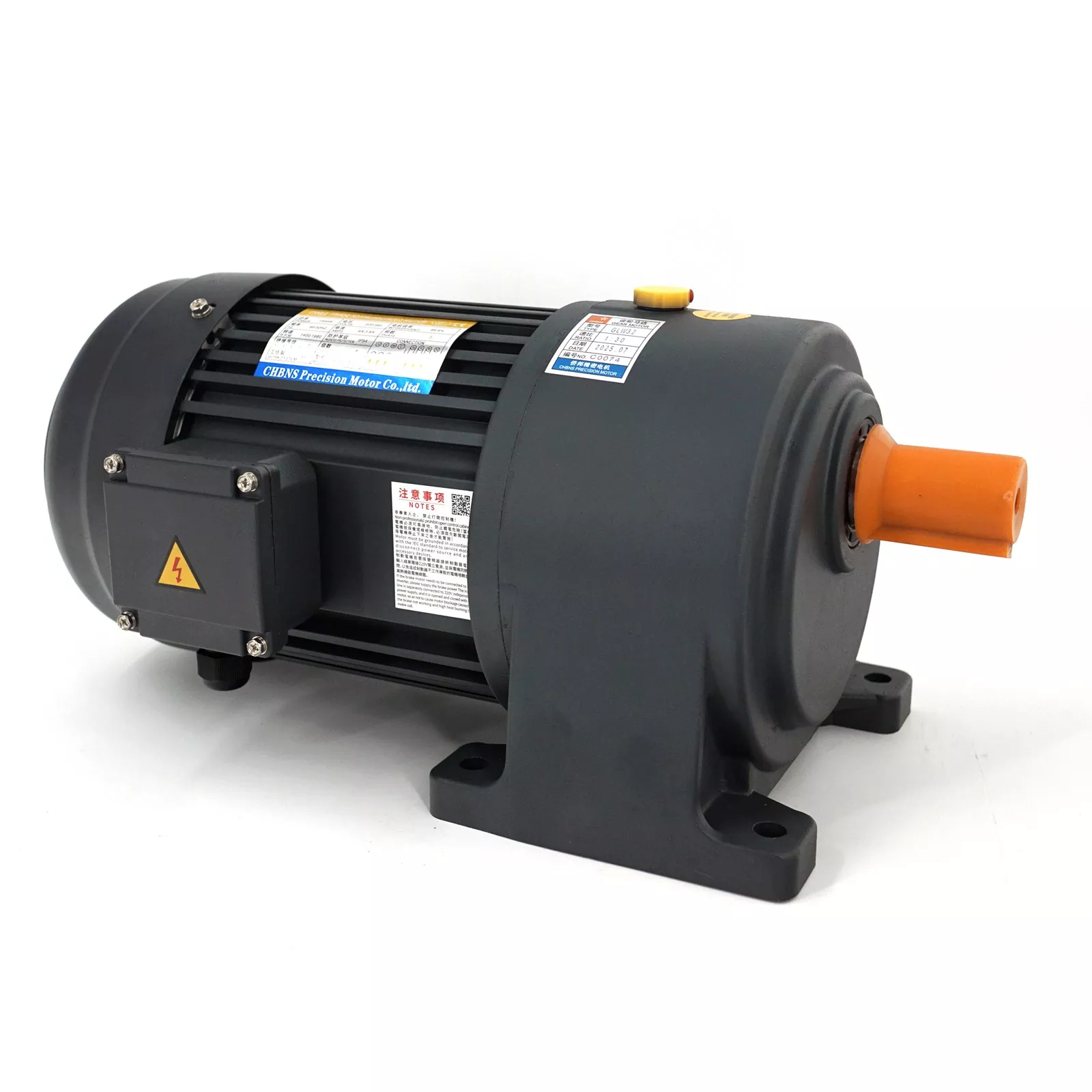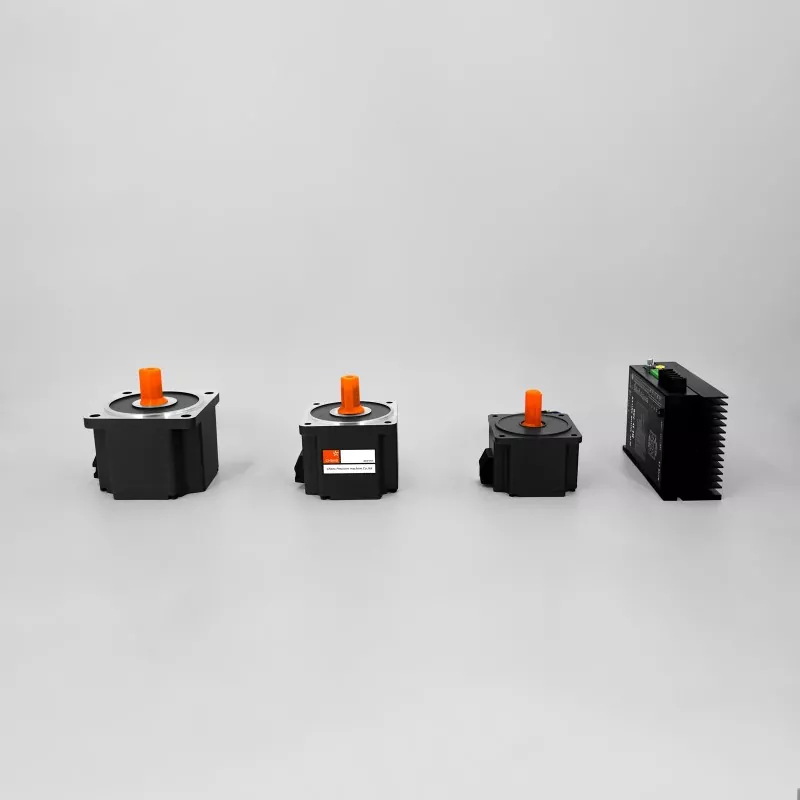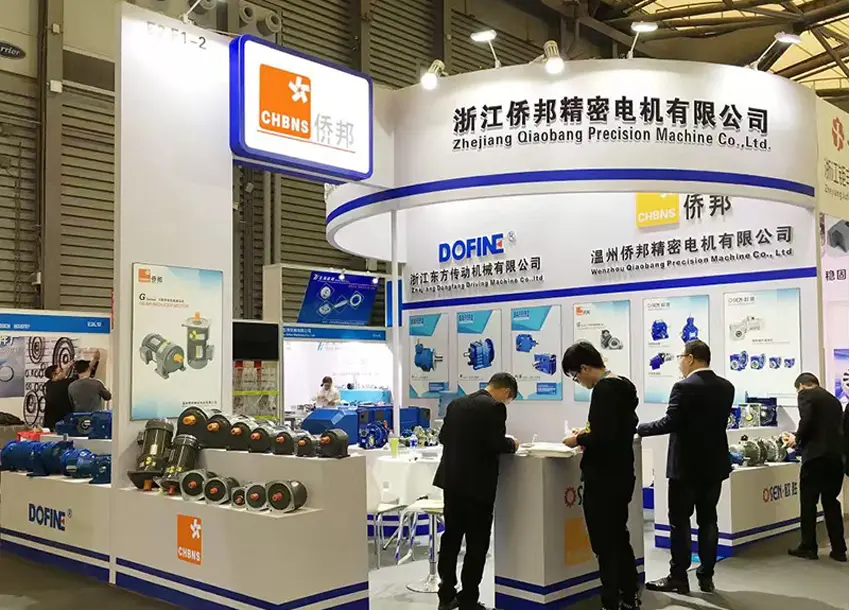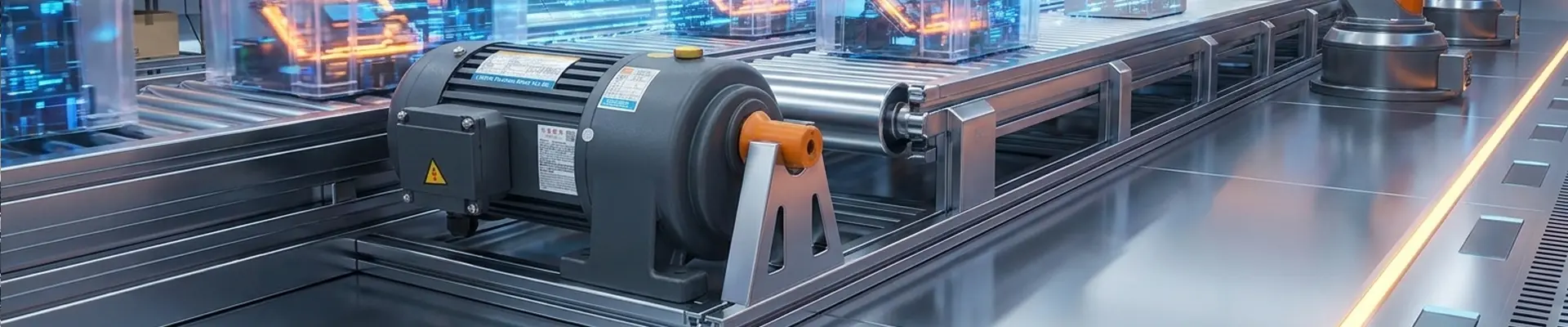
CHBNS is a China manufacturer and supplier of AC Gear Motors. An AC motor drives a reduction gear train to produce a lower shaft speed for machinery. The family spans single-phase and three-phase supplies, with fixed-speed and suitably matched variable-frequency arrangements serving different operating needs.
AC Gear Motors are best understood through these four practical characteristics.
Match the motor phase, voltage and frequency to the installation.
Reduction adapts motor rotation to slower conveyors and mechanisms.
Foot or flange mounting and different shaft directions support machine integration.
Variable-frequency operation requires a suitable motor, drive and thermal operating range.
Choose a more specific category to continue. These routes describe different needs, not a ranking of CHBNS products.
| Item | This Route | Alternative or Comparison Point |
|---|---|---|
| Integration | One coordinated motor-and-gearbox assembly. | A separate motor and external transmission require more interfaces. |
| Speed Choice | Ratio defines output speed; compatible control can add adjustment. | A direct motor drive may need external reduction for low-speed duty. |
Compare equivalent load, speed and duty. This is a structural comparison, not a measured performance claim against a named competitor.
AC Gear Motors can serve different machines when their load and installation conditions are matched.
Common uses include conveyors, packaging equipment, feeders and mixers. A fixed-speed supply is often sufficient for a stable process; changing production rates may justify compatible electronic speed control.
For this category, prepare the application information before choosing a model.
Begin with available supply and output duty. Confirm starting method, ratio, mounting position and whether the machine actually needs variable speed.
Required speed, continuous load and any short starting or impact peaks.
Shaft or bore dimensions, mounting face, installation space and supply connection.
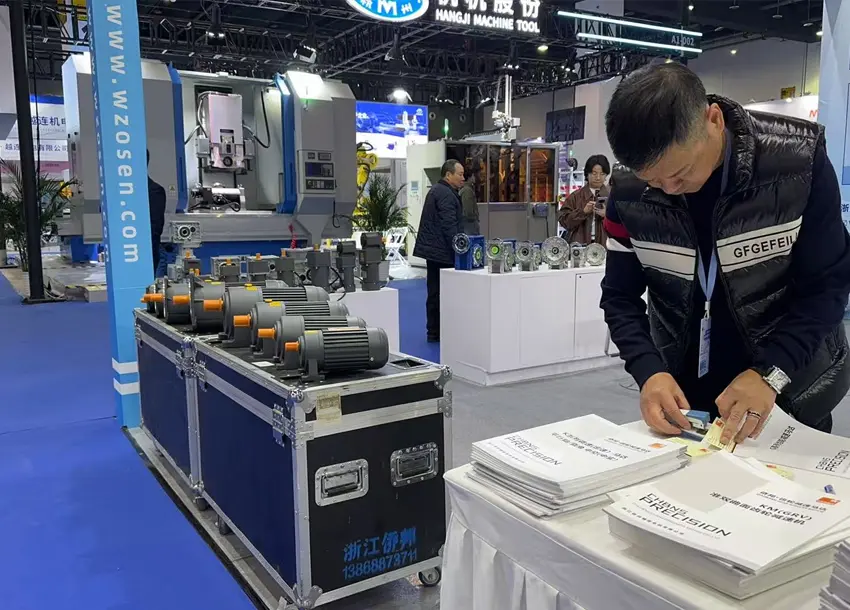
CHBNS factory material helps identify the series and structure. Confirm the final dimensions, ratings, inspection scope and supplied accessories for the chosen configuration.
No. The required output, load cycle, input source and mounting must be considered together. A larger ratio is not a promise of unlimited torque.
Do not assume load holding. Where movement could create a hazard, define the required brake or independent holding arrangement with the machine design.