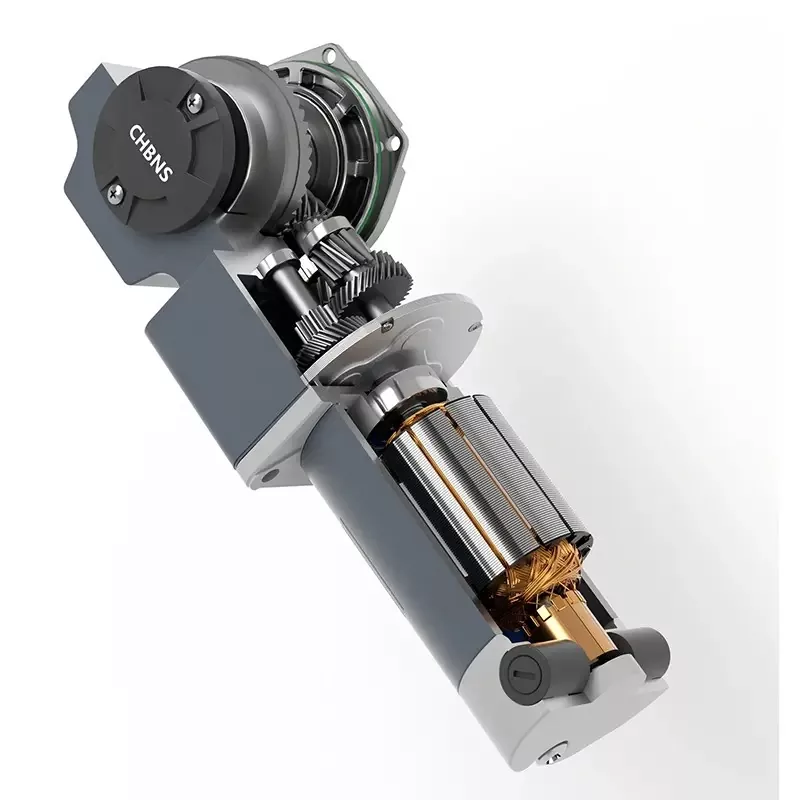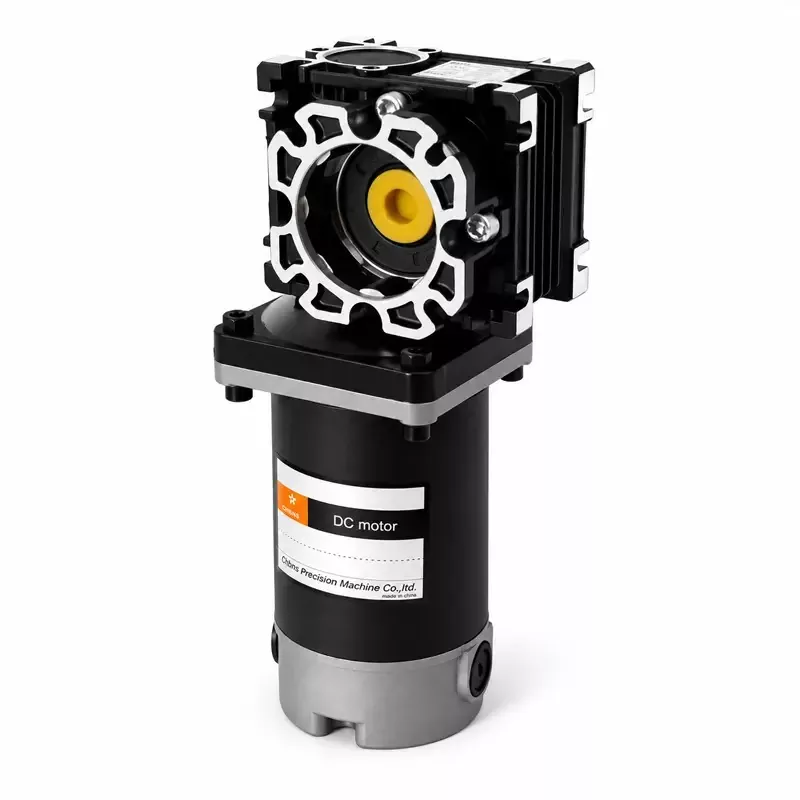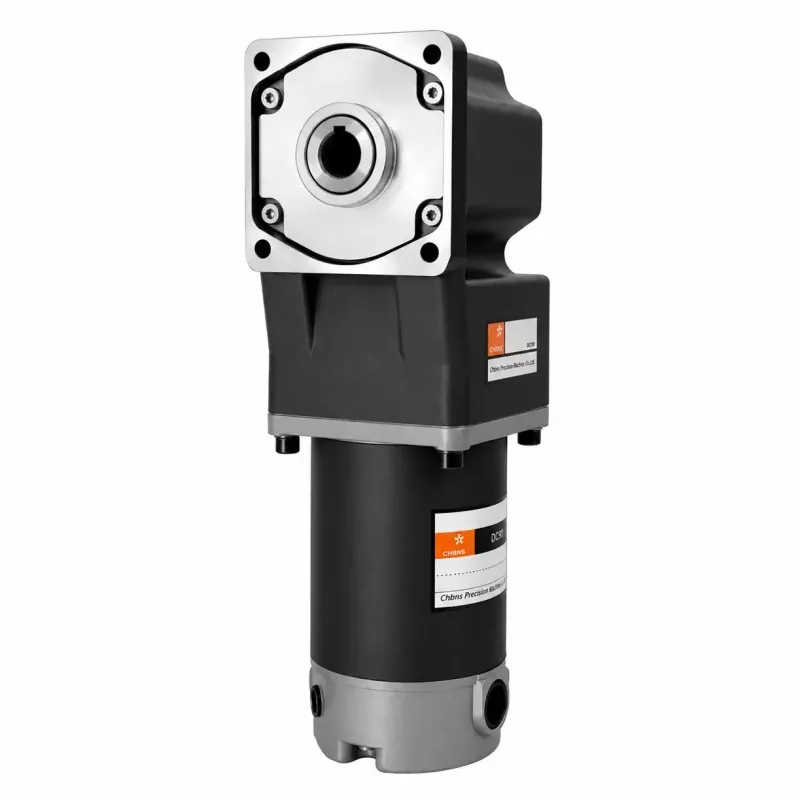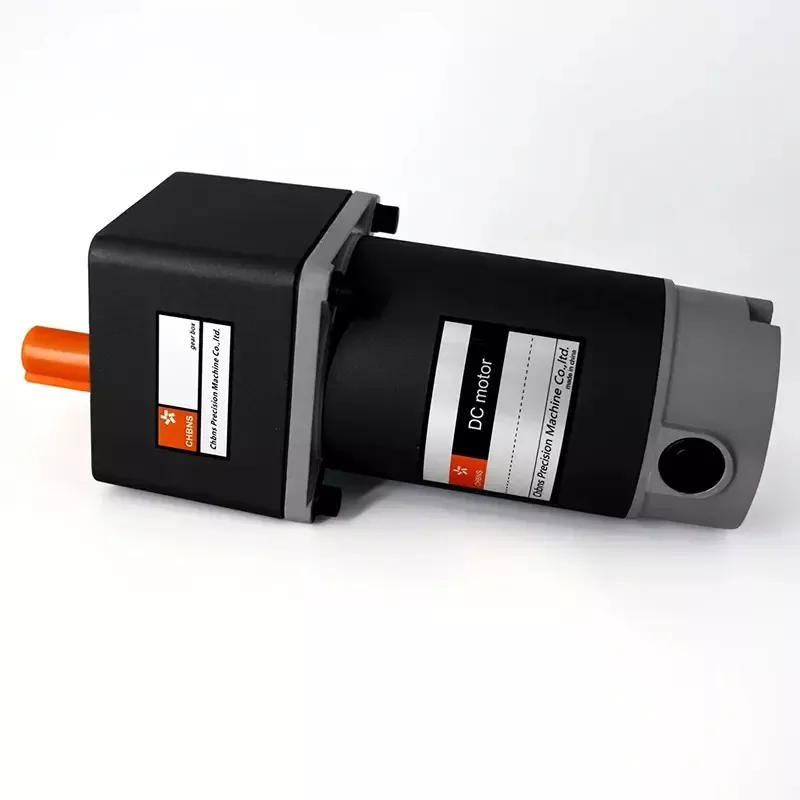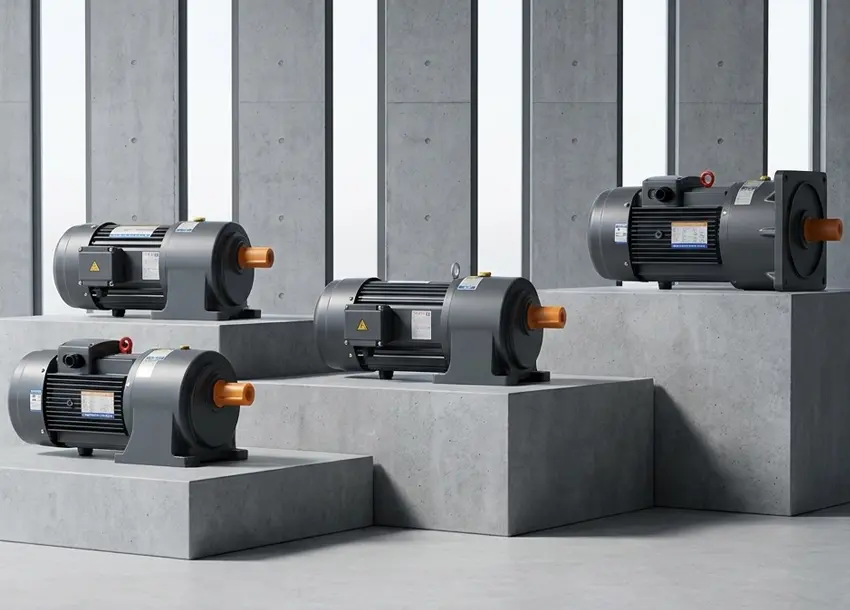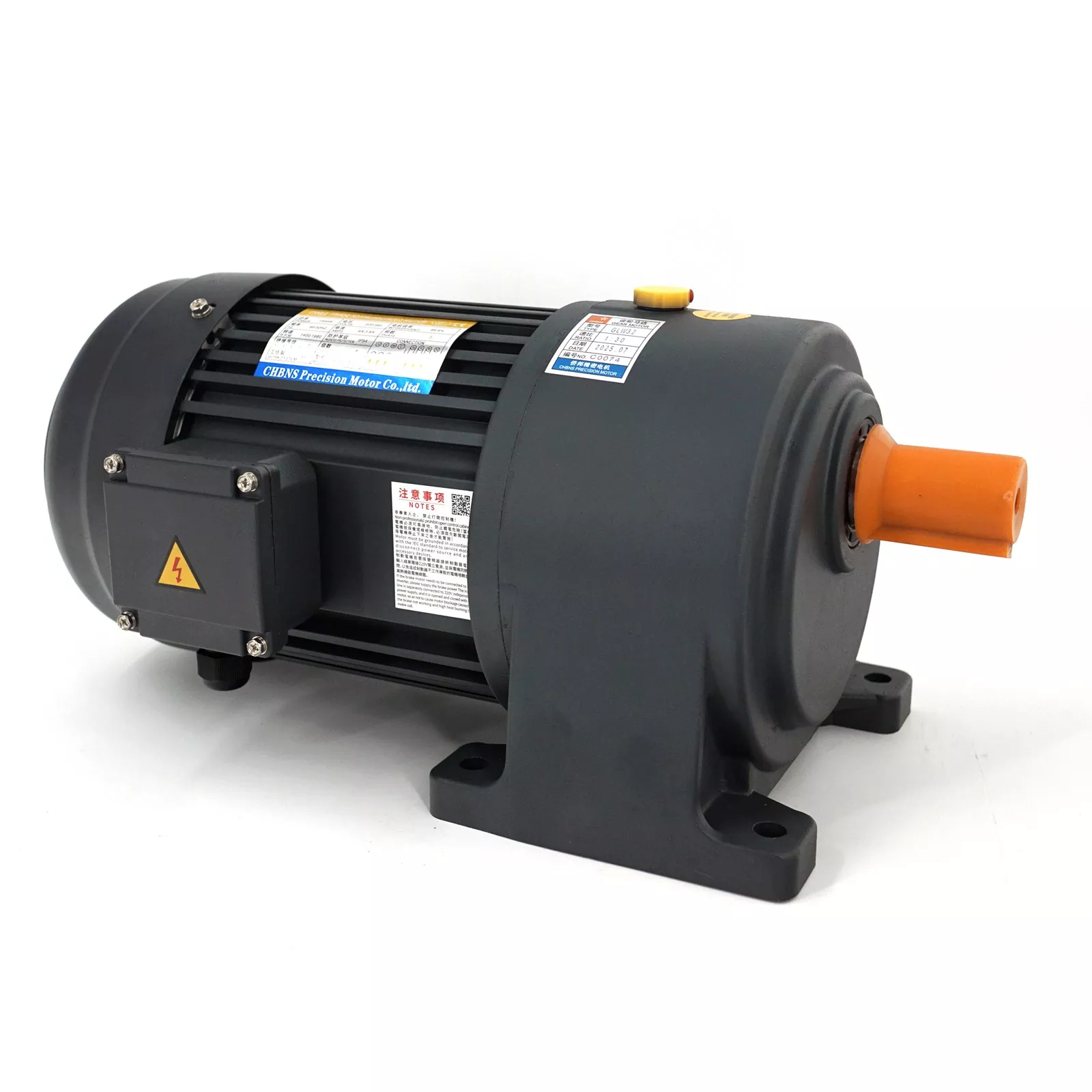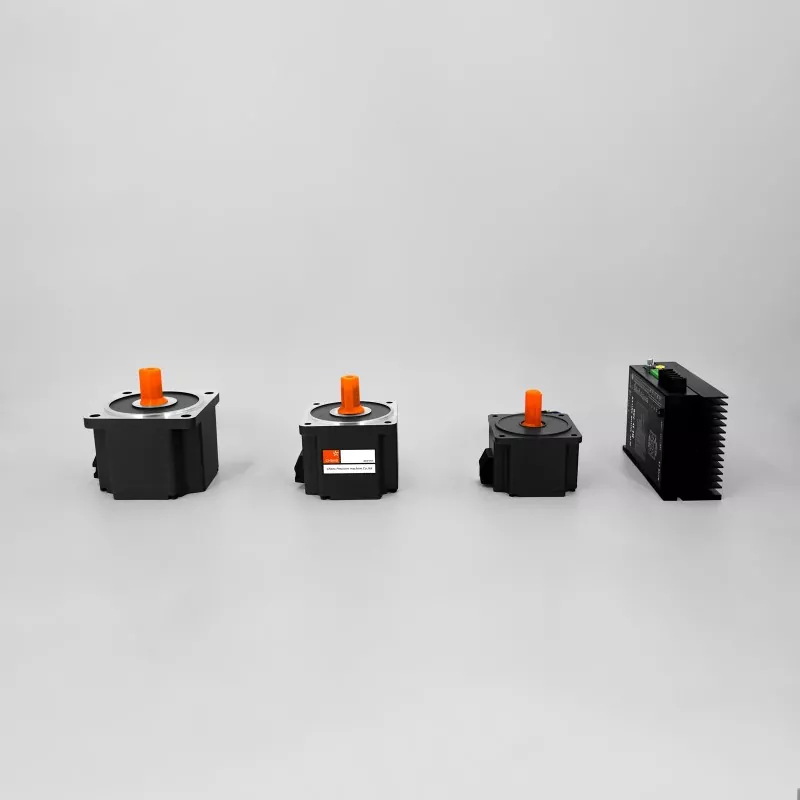
CHBNS is a China manufacturer and supplier of DC Brush Reducers. Combining a brushed DC motor with a reduction gearbox, these drive units provide a practical solution for applications requiring controlled low-speed rotation and suitable output torque. The CHBNS DC Brush Series includes DC brushed motors with RV-type worm gear reducers, GU-type reducers, and GR-type reducers. Each configuration serves different mechanical transmission and installation requirements.
DC Brush Reducers combine brushed motor technology with mechanical speed reduction. Their main characteristics include:
Brushes and a commutator provide mechanical current switching to drive the motor. This established motor structure offers a straightforward approach to DC power connection and control.
The CHBNS DC Brush Series features starting performance and stable torque output, with operational characteristics suited to medium- and low-speed applications.
The integrated gearbox reduces motor speed and adjusts available output torque according to the selected reduction ratio and transmission design.
Available configurations include RV-type worm gear reducers, GU-type reducers, and GR-type reducers, providing different transmission arrangements for equipment integration.
Brushes are mechanical wear components. Their service life depends on motor load, operating duration, starting frequency, and working environment, so maintenance access should be considered during equipment design.
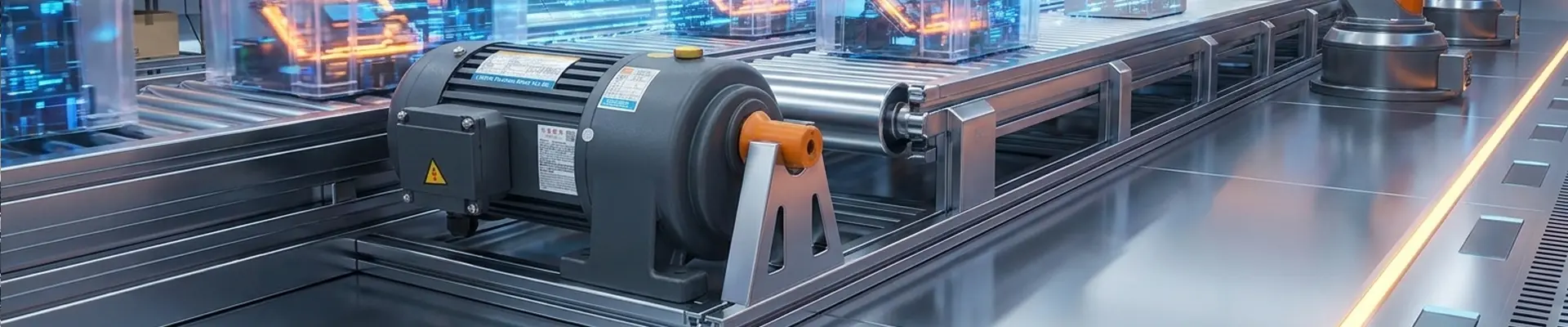
DC Brush Reducers can serve different machines requiring DC motor operation combined with mechanical speed reduction. Depending on the motor and gearbox configuration, applications may include compact conveyors, feeding mechanisms, small actuators, rotary equipment, and industrial adjustment systems.
Their straightforward electrical connection and stable operation at medium and low speeds make them suitable for equipment with defined starting, movement, and output requirements. The selected reducer should match the driven load, required speed, torque, and installation arrangement.
| Item | DC Brush Reducers | DC Brushless Gear Motors |
|---|---|---|
| Commutation | Use brushes and a mechanical commutator to switch current through the motor windings. | Use electronic commutation, typically with a compatible drive circuit and rotor position feedback. |
| Control Requirements | Generally use a straightforward DC motor connection, with the control circuit matched to the motor's electrical requirements. | Require an appropriate electronic driver to manage motor commutation and operation. |
| Maintenance | Brush wear and commutator condition should be considered during maintenance planning. | Do not require brush replacement, although other motor and gearbox components still require appropriate maintenance. |
| Selection Focus | Simple DC control, starting behavior, output speed, reduction ratio, and brush service requirements. | Driver compatibility, electronic control requirements, motor speed, and gearbox output performance. |
Compare equivalent motor power, output speed, torque, and operating duty. This is a structural comparison, not a measured performance claim against a named competitor.
For DC Brush Reducers, prepare the motor electrical requirements and mechanical output information before selecting a model. These details help identify a suitable motor and gearbox combination.
State the supply voltage, running and starting current, required output speed, torque, reduction ratio, reversal frequency, and expected daily operating duration. Also identify the preferred reducer configuration and confirm that the power supply can accommodate the motor's starting current.
Rated voltage, running current, starting current, required speed, output torque, reduction ratio, and expected working cycle.
RV, GU, or GR reducer preference, shaft or bore dimensions, mounting position, installation space, and output connection.
CHBNS factory materials help identify the DC Brush Series and its different reducer configurations. Before order confirmation, check the motor ratings, reducer type, output dimensions, shaft arrangement, inspection requirements, and supplied accessories for the selected model.
A standard DC motor provides rotational power directly through its output shaft. A DC brush reducer combines a brushed DC motor with a gearbox to reduce output speed and adjust available torque for the driven equipment.
The CHBNS product range includes DC brushed motors with RV-type worm gear reducers, GU-type reducers, and GR-type reducers. The suitable configuration depends on the required transmission arrangement, output speed, torque, and installation requirements.
Yes. Brushes and commutators are subject to mechanical wear during operation. Maintenance intervals depend on the motor design, load, working duration, starting frequency, and operating environment. Follow the manufacturer's maintenance recommendations for the selected model.
Reversing capability depends on the motor design and electrical connection. For compatible permanent-magnet brushed DC motors, changing supply polarity can reverse the rotation direction. Confirm the wiring arrangement and switching requirements for the selected motor before use.
Consider the motor voltage, running and starting current, required output speed, output torque, reduction ratio, reducer configuration, and working cycle. Mounting dimensions and shaft connections should also match the driven equipment.