Compact DC BLDC Motors
Prioritise motor dimensions, mounting face, shaft arrangement, and cable clearance when available installation space is limited.
CATEGORY GUIDE / BRUSHLESS DC MOTOR
DC BLDC Motors
CHBNS is a China manufacturer and supplier of DC BLDC Motors for compact, electronically controlled equipment. Unlike brushed DC motors, brushless motors use electronic commutation instead of physical brushes and a mechanical commutator. A compatible controller manages motor current and operating commands, allowing speed and torque characteristics to be matched to different equipment requirements.
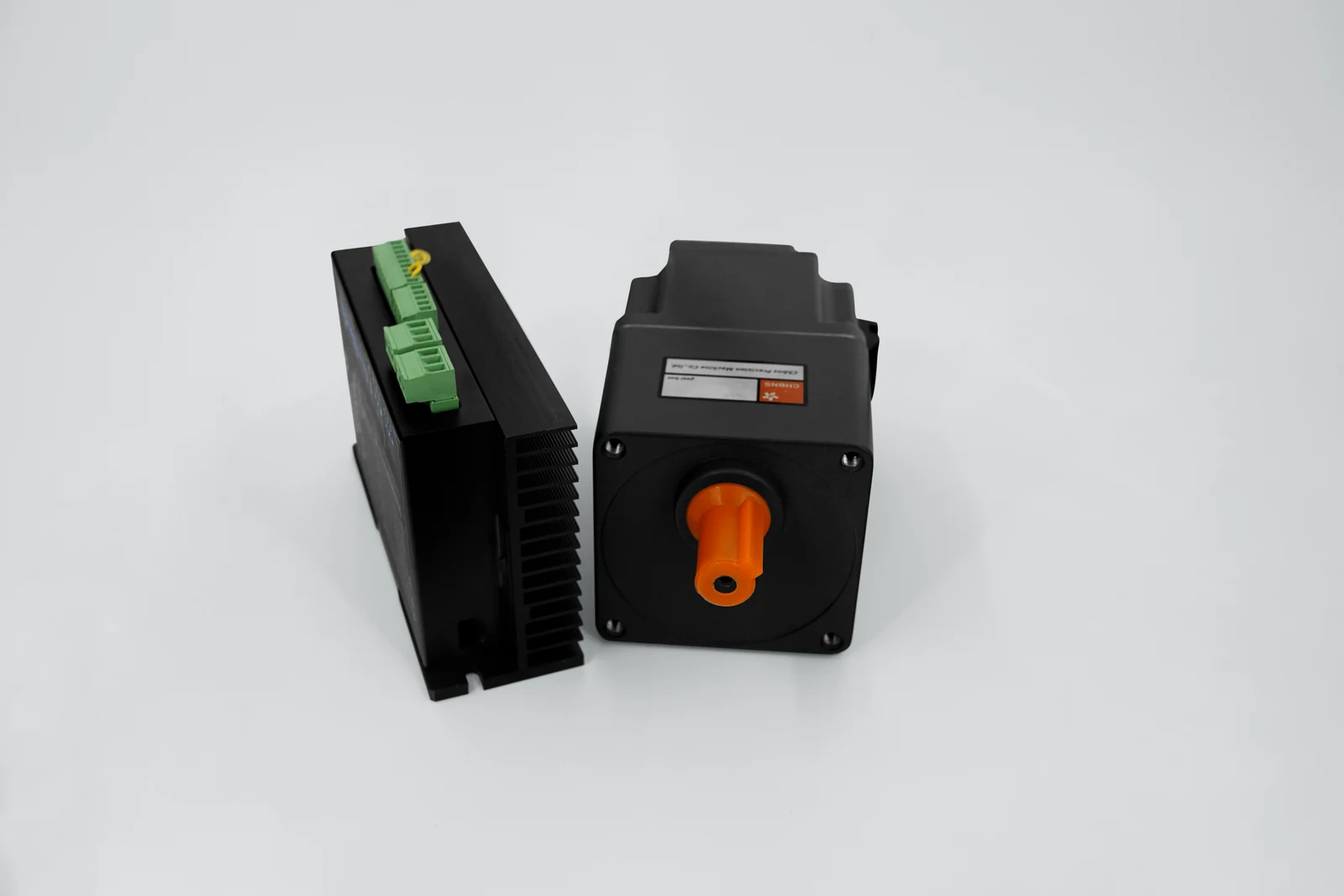
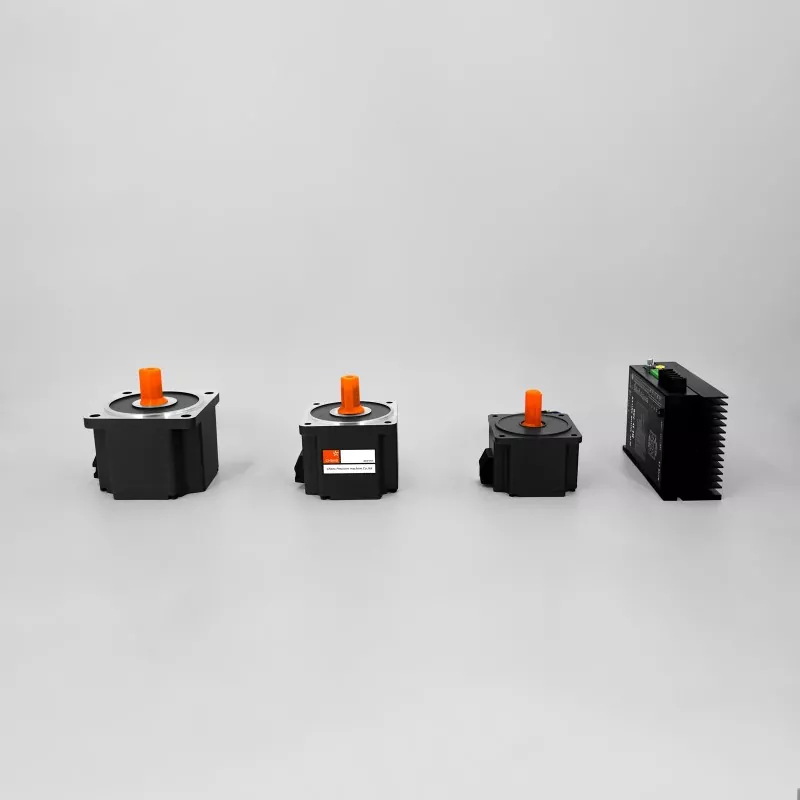
DC BLDC Motors use electronically controlled current switching to produce rotation without brush-and-commutator contact. Their operation depends on the motor, compatible driver, power supply, and any specified feedback components working together.
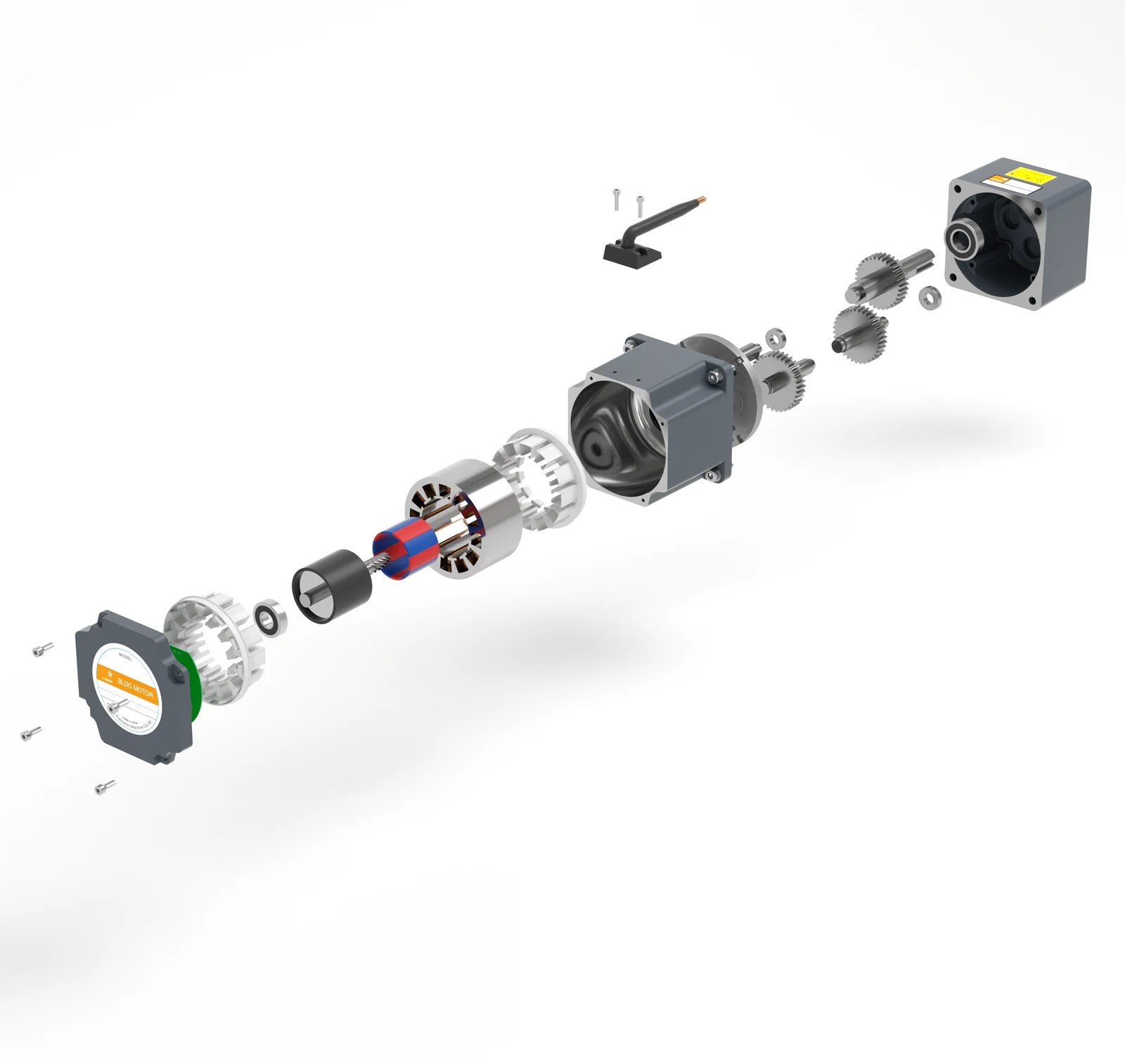
Electronic commutation replaces physical brush contact, eliminating brush replacement as a routine motor maintenance task. Bearings and other mechanical components still require appropriate care.
A compatible driver manages winding current and motor operation. Speed adjustment and control accuracy depend on the selected motor, driver, and feedback arrangement.
Motor torque and speed characteristics depend on the electrical design, driver settings, power supply, and operating conditions. The complete drive should be matched to the application load.
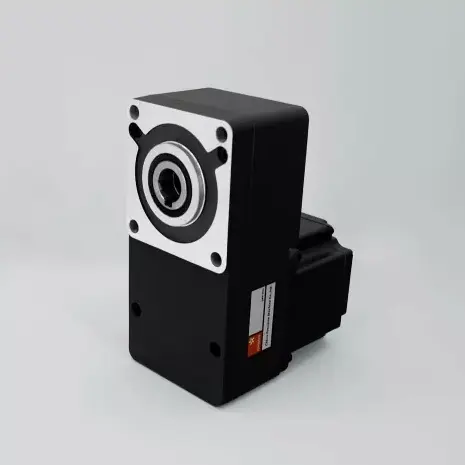
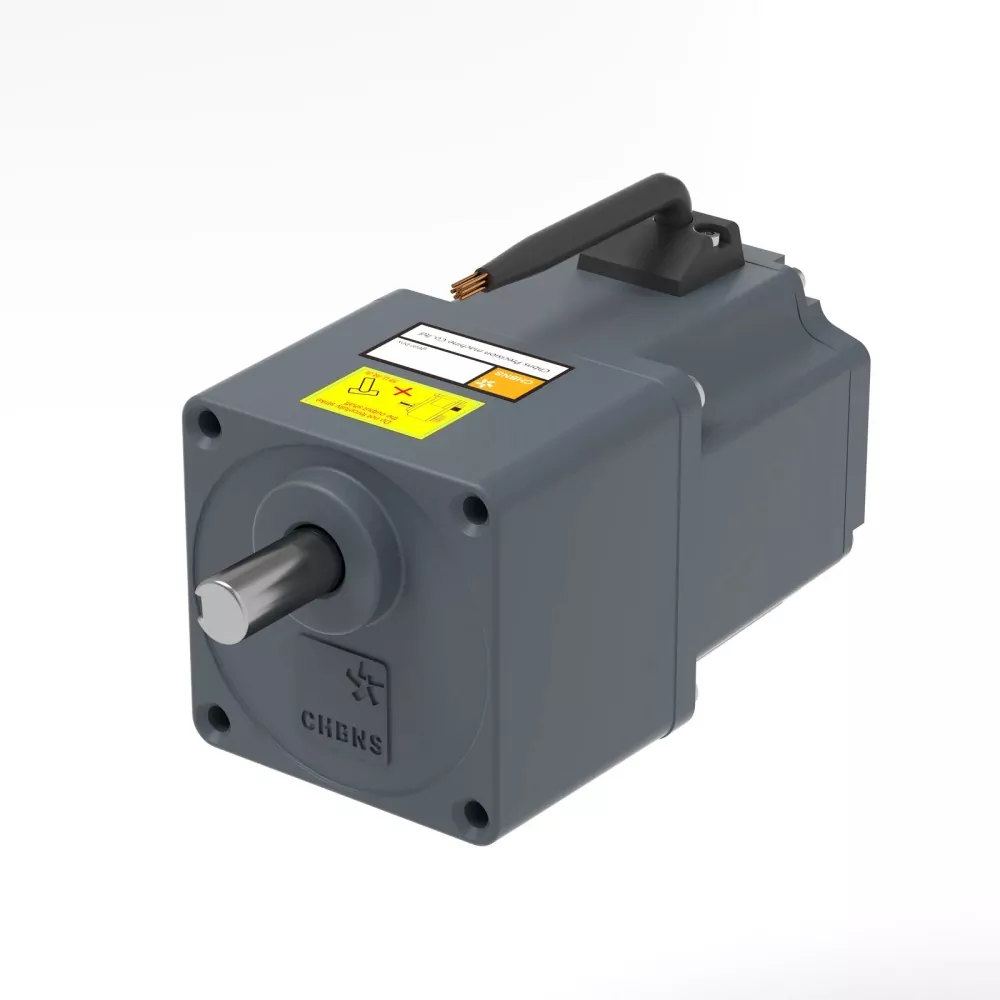
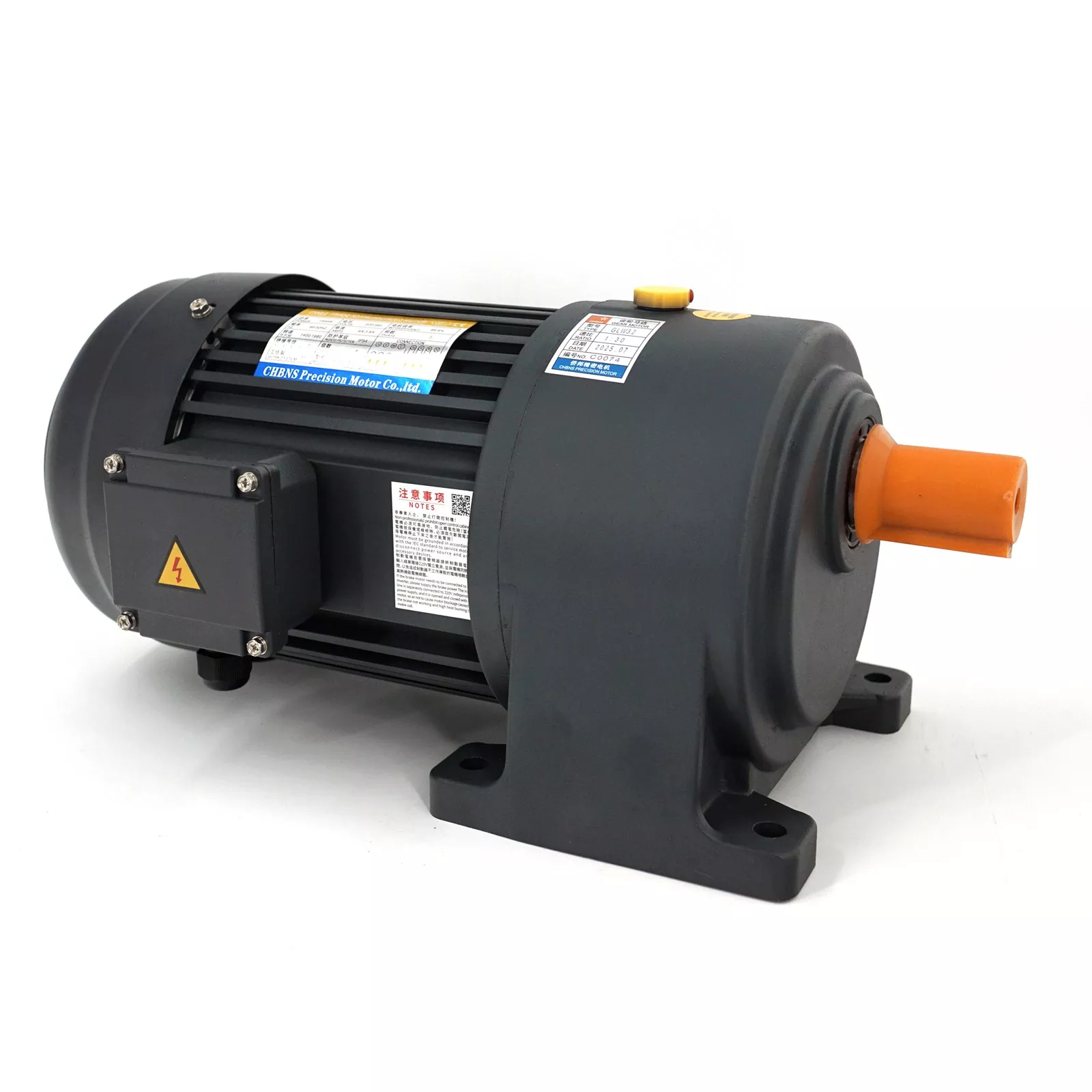
DC BLDC Motors can be selected according to mounting dimensions, shaft configuration, and available installation space. A compatible gearhead can be added when reduced output speed or increased available output torque is required.
Different DC BLDC motor configurations address different equipment requirements. Consider the installation dimensions, load, speed range, and control method before selecting a motor. These options describe selection priorities rather than assuming every configuration is included in every model.
Prioritise motor dimensions, mounting face, shaft arrangement, and cable clearance when available installation space is limited.
Begin with the continuous operating load, starting torque requirement, and any short-duration peak loads when assessing motor suitability.
Define the required minimum and maximum speeds, control signal, driver specifications, and feedback requirements.
Consider an integrated gearhead when the equipment requires a reduced output speed, a different torque range, or a specific output shaft direction.
The main distinction is the commutation method and its related control and maintenance requirements. Brushless operation removes brush wear, but it requires a compatible electronic driver and does not guarantee higher torque, lower noise, or longer service life under every operating condition.
| Buying question | DC BLDC Motors | Conventional Brushed DC Motors |
|---|---|---|
| Commutation | Electronic switching controls current through the motor windings without physical brushes. | Brushes and a mechanical commutator perform current switching during motor operation. |
| Driver Requirements | Require a compatible electronic driver to manage commutation and motor operation. | A suitable DC power connection can support basic operation, with additional control equipment used when required. |
| Maintenance | No brush replacement is required, although bearings, connections, and other mechanical components still need appropriate maintenance. | Brush wear and commutator condition need to be considered during maintenance planning. |
| Speed Control | Speed commands and operating modes are managed through a compatible electronic driver and any specified feedback. | Basic voltage adjustment is possible, while more precise regulation requires a suitable control arrangement. |
DC BLDC Motors can support equipment that requires electronically controlled rotation, provided the motor, driver, and power supply are matched to the application.
Control motor operation for material movement and feeding mechanisms while considering starting torque, changing loads, and the required minimum operating speed.
Use electronically controlled motor operation in compact feed, transfer, and adjustment mechanisms where defined speed commands are required.
Consider DC BLDC motor configurations for battery-powered systems when the supply voltage, current demand, and electronic driver input are compatible.
For DC BLDC Motors, choose the complete motor and control combination. Start with these four inputs instead of selecting a motor by power rating alone.
Provide minimum and maximum operating speed, continuous load, starting torque requirements, and stop/start frequency.
Confirm the DC input voltage, current requirements, driver model, control signal, and any speed or position feedback needs.
Provide motor dimensions, shaft diameter, mounting face, installation space, cable arrangement, and any required gearhead configuration.
State the expected running time, ambient conditions, cooling requirements, reversing frequency, and whether a separate brake is needed for load holding.
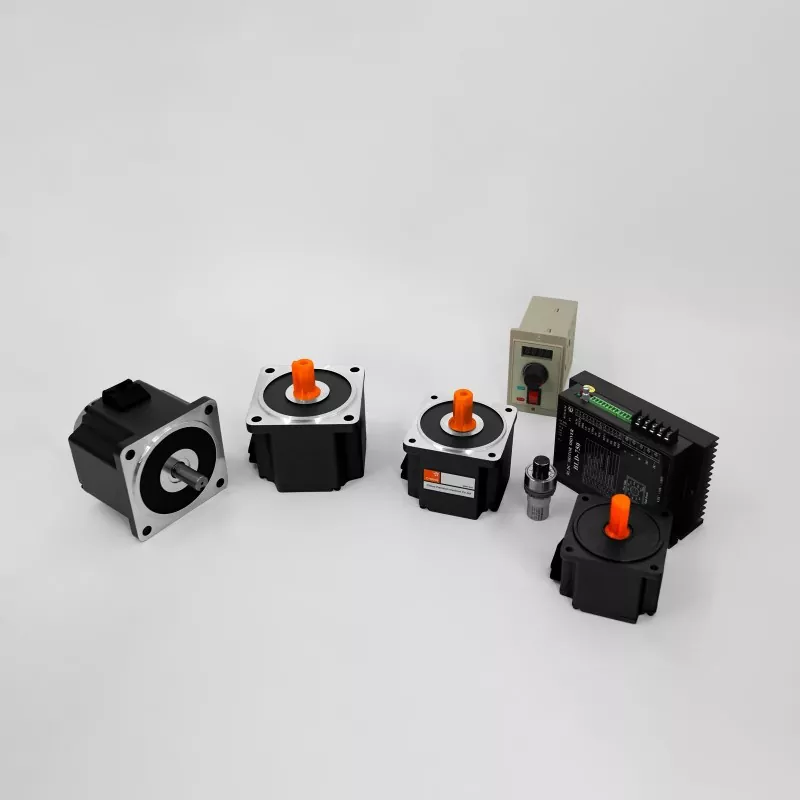
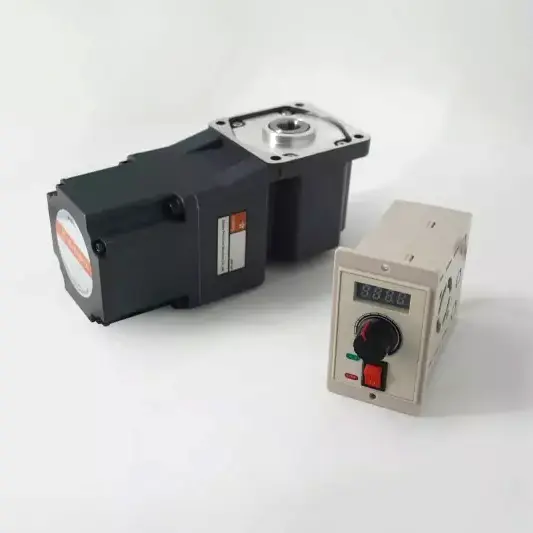
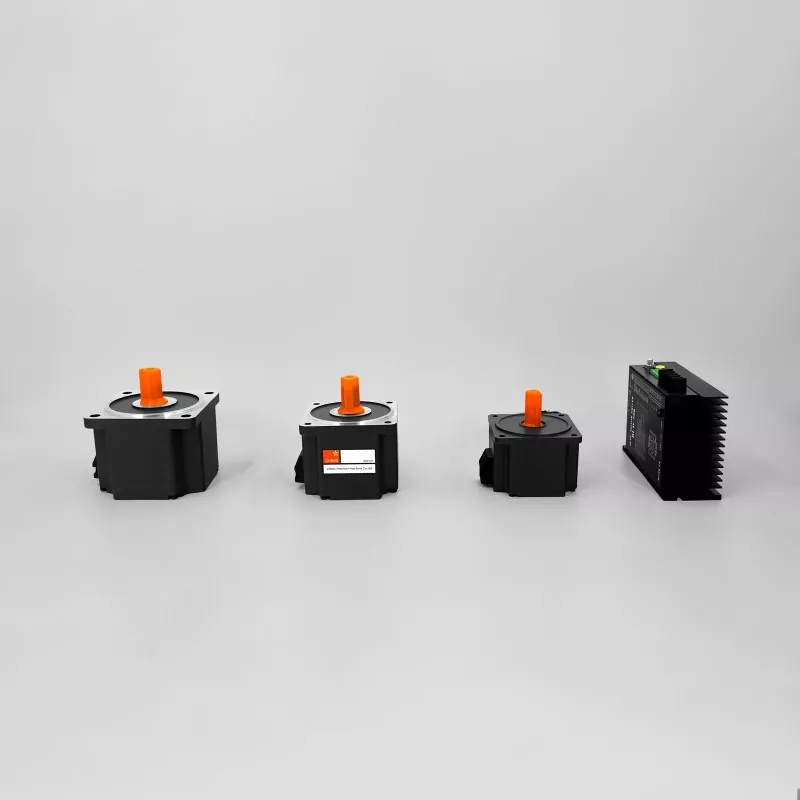
View the assembly image and product video to understand the DC BLDC motor, associated gearhead, and electronic controller arrangement. Confirm the specifications against the selected motor and driver before ordering.
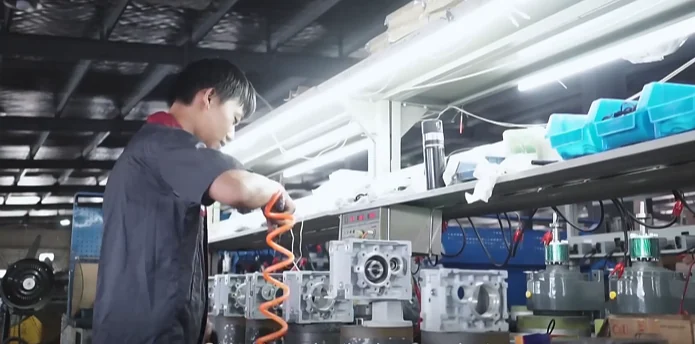
Review these practical points before choosing a DC BLDC motor for your equipment.
A brushless DC motor requires electronic commutation. Use a compatible driver and confirm its DC input voltage, current capacity, and connection requirements instead of treating the motor as a conventional two-wire brushed DC motor.
No. Removing brushes eliminates brush replacement, but bearings, mechanical connections, cooling components, and any associated gearing still require appropriate inspection and maintenance.
No. A DC BLDC motor can be supplied as a standalone motor or combined with a compatible gearhead when the application requires reduced output speed or a different torque range. Confirm the motor and gearbox configuration when selecting a model.