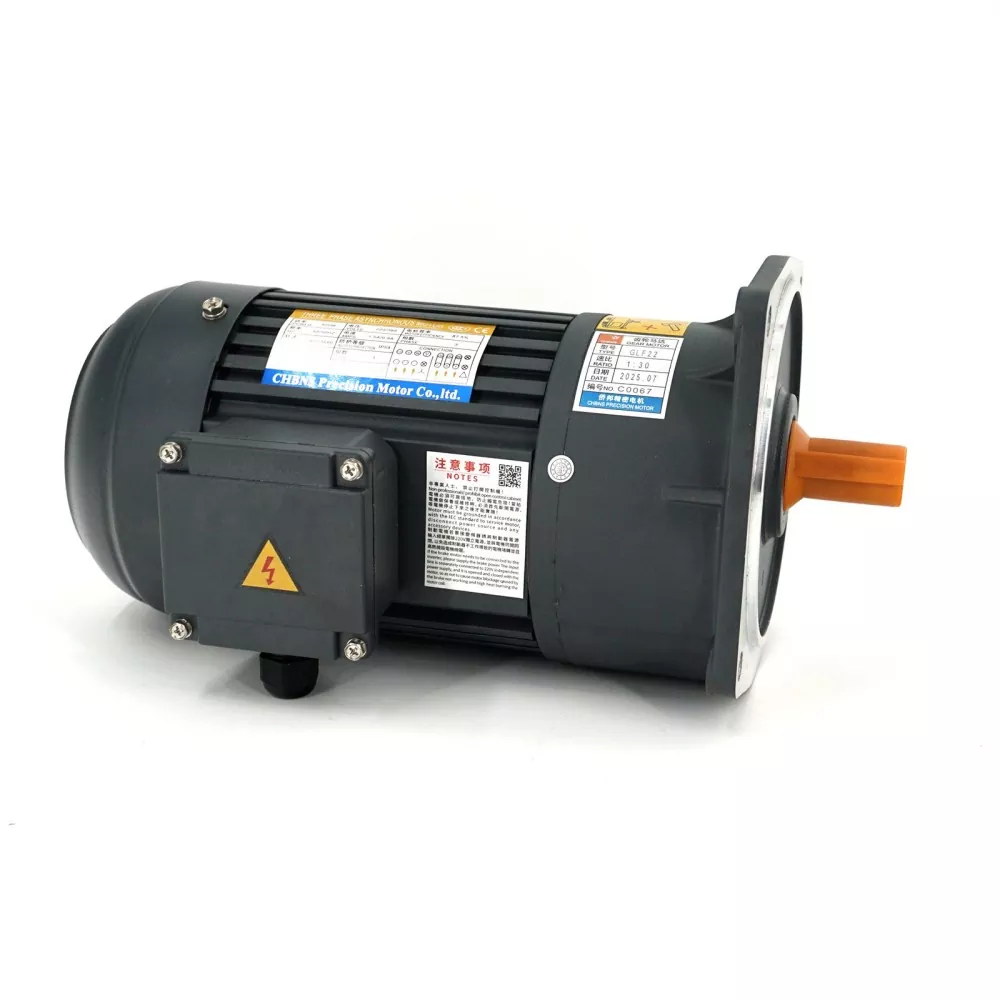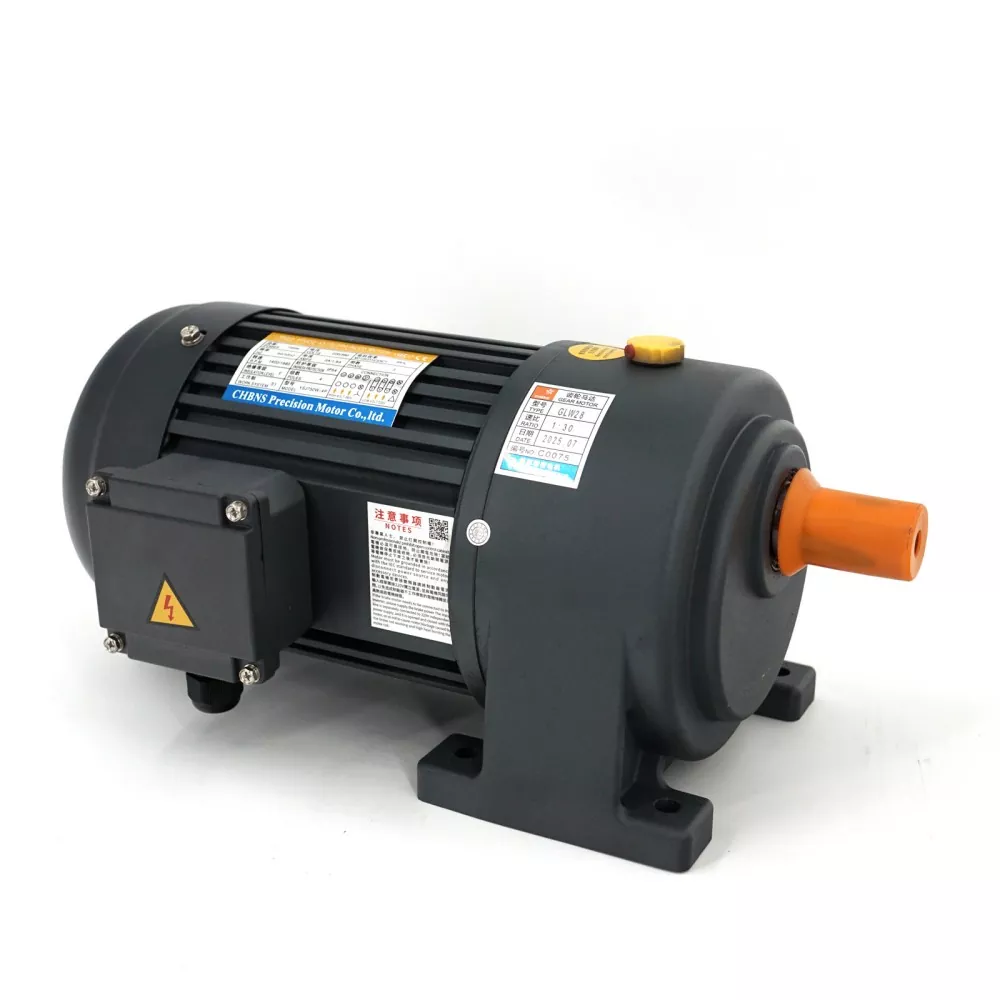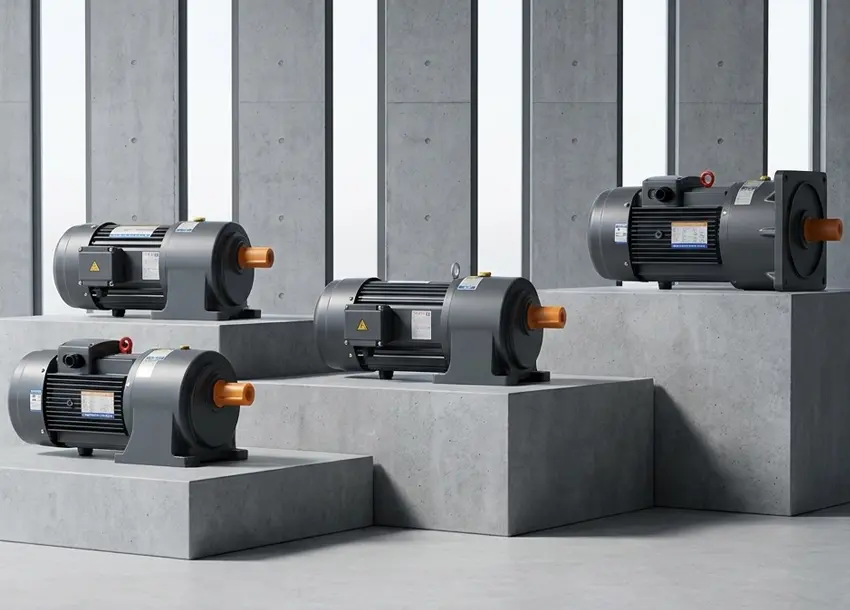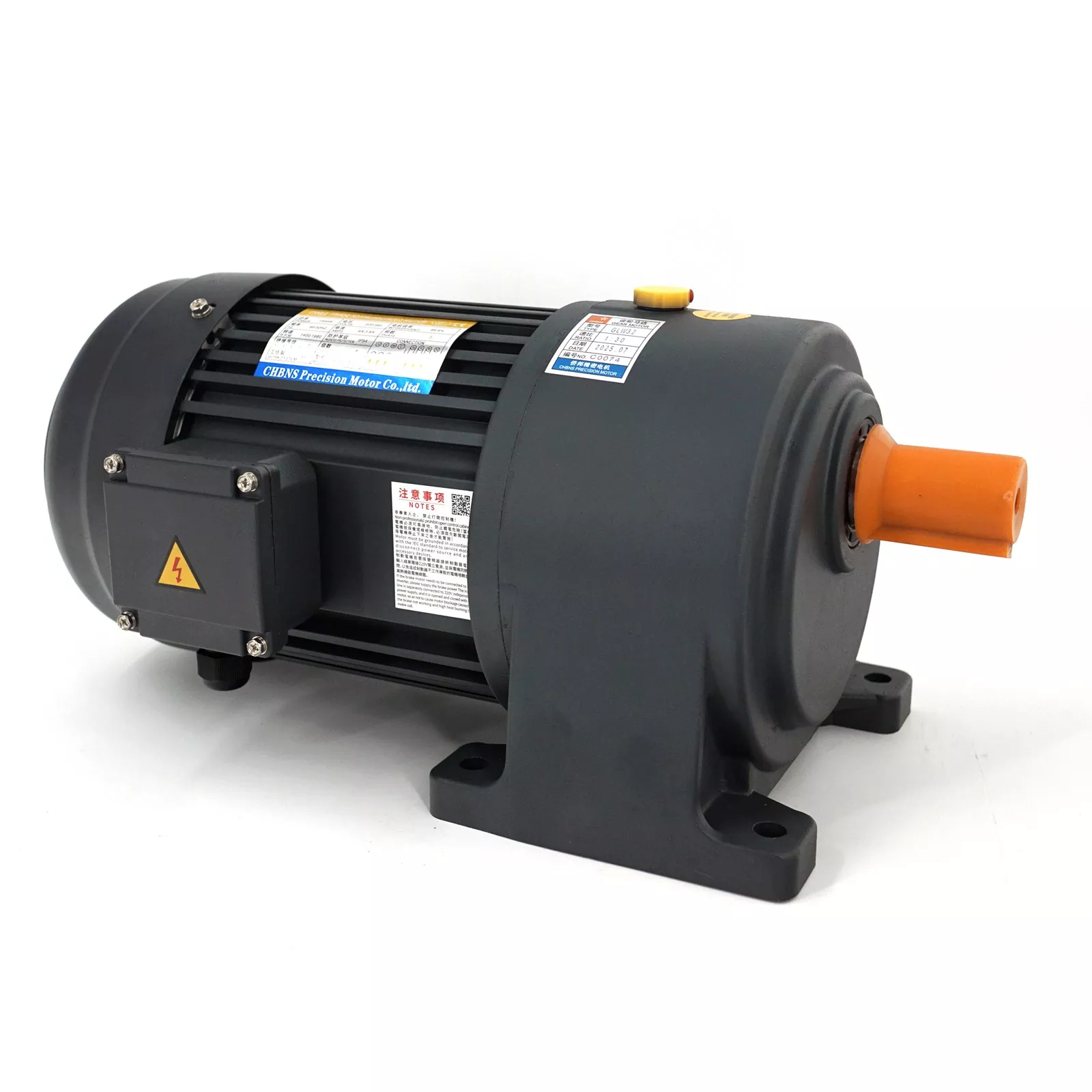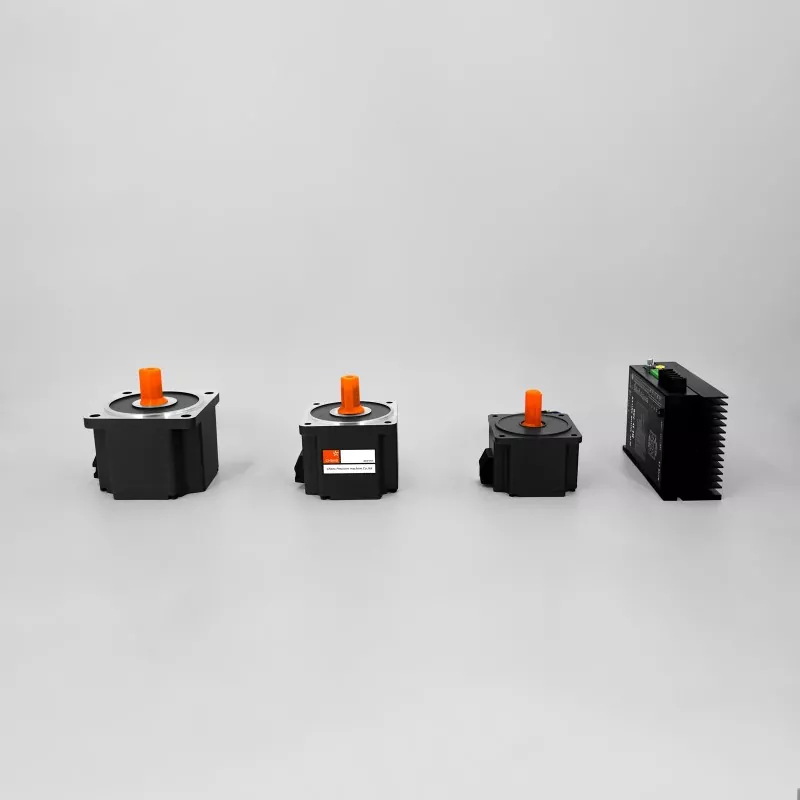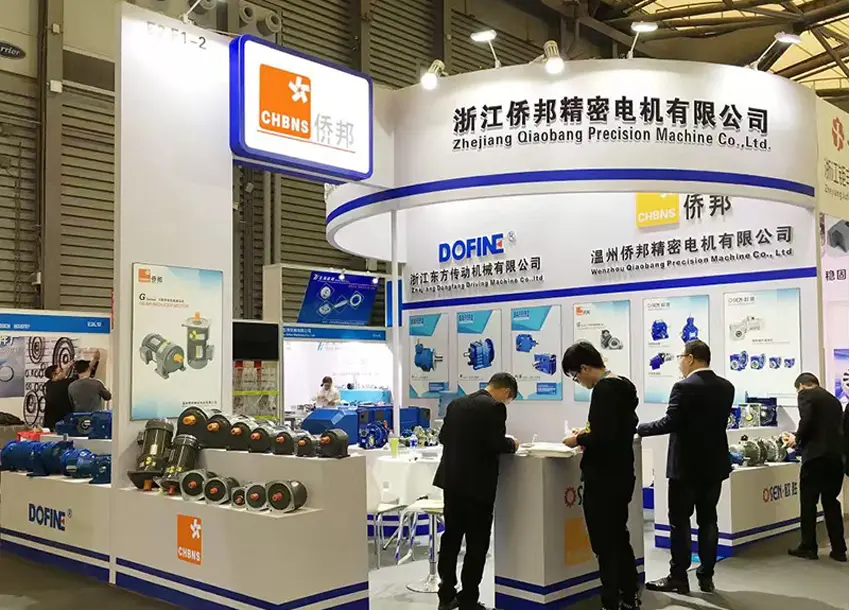
Adding a variable frequency drive to a machine can change how its motor starts, accelerates, and operates at different speeds. However, compatibility depends on more than whether a motor can turn at a lower frequency. VFD Compatible Motors must be suitable for the electrical output, operating range, and load conditions of the selected drive. As a China motor supplier, CHBNS offers motor products and frequency conversion and speed control equipment for industrial drive applications.
A variable frequency drive controls motor speed by changing the frequency of the electrical supply. When a motor is used with a VFD, its rated voltage, current, winding and insulation characteristics, cooling method, and operating limits must be considered. A motor that works with one drive configuration is not automatically suitable for every inverter or operating frequency.
Selecting VFD Compatible Motors therefore begins with the requirements of the complete application. The required speed range, driven load, starting conditions, and duration of operation help determine whether the motor can perform as intended with the selected frequency converter.
Motor nameplate: Check the rated voltage, current, power, frequency, and rotational speed before selecting drive settings.
Inverter output: Confirm that the VFD's voltage, current capacity, and control method are appropriate for the motor.
Required speed adjustment: Establish the minimum and maximum operating speeds and verify that the motor can operate within this range.
Load behavior: Consider whether the machine requires high starting torque, sustained torque at low speed, or frequent acceleration and deceleration.
Cooling and operating temperature: Check whether the motor can dissipate heat adequately throughout the intended speed range.
Drive installation: Consider cable length, grounding, electrical noise, and other installation factors in accordance with the motor and inverter manufacturers' instructions.
VFD compatible motors are useful when equipment needs adjustable rotational speed rather than a single fixed operating speed. Depending on the motor specifications and application, this arrangement may be used in conveyor systems, packaging machinery, automated production equipment, material handling systems, and industrial processing machinery.
For example, an adjustable-speed conveyor may need to run at different speeds during material transport or production changes. A suitable VFD and motor combination allows the drive speed to be adjusted within the permitted operating range while maintaining the torque needed by the load.
VFD compatibility and inverter duty are related, but they are not identical terms. VFD compatibility describes whether a motor is suitable for operation with a particular frequency drive under defined conditions. Inverter duty generally refers to a motor designed or specified to address the demands of variable-frequency operation over a stated operating range.
A standard motor may be compatible with a VFD for certain operating conditions, but its permitted frequency range, insulation characteristics, and cooling performance need to be checked. Where the application involves continuous low-speed running, demanding torque requirements, or an extended speed range, a motor specifically specified for those conditions may be more appropriate.
Start with the motor's electrical nameplate information and the operating requirements of the driven equipment. Match the VFD's rated output to the motor, and verify that the drive's control functions support the required starting behavior and speed adjustment. The motor's thermal limits and load characteristics should also be evaluated.
If a motor operates through a gear reducer, include the output speed, reduction ratio, required torque, and gearbox load capacity in the selection process. CHBNS also lists frequency converters and speed controllers in its product range, making motor and drive requirements relevant when discussing a complete speed-control arrangement.
VFD Compatible Motors are motors suitable for operation with variable frequency drives within specified electrical, speed, torque, and thermal limits. Compatibility must be assessed for the intended motor-and-drive combination.
Some standard AC motors can operate with VFDs under suitable conditions. Check each motor's nameplate, insulation, cooling method, permitted speed range, and load requirements before using inverter control.
Not necessarily. VFD compatibility indicates suitability for a particular drive application, while inverter duty generally refers to motors designed or specified for defined variable-frequency operating conditions. The actual motor specifications determine suitability.
Yes, when the motors and inverters support variable-speed operation. The available speed range depends on motor design, cooling, torque requirements, and the operating limits specified by the manufacturer.
An unsuitable combination can lead to excessive heating, poor torque performance, overcurrent trips, or operation outside the motor's permitted limits. Matching the motor and drive specifications helps reduce these risks.
Provide the motor's rated power, voltage, current, frequency, required speed range, and load characteristics. The VFD model and its output specifications are also useful, especially when evaluating an existing motor for variable-speed operation.