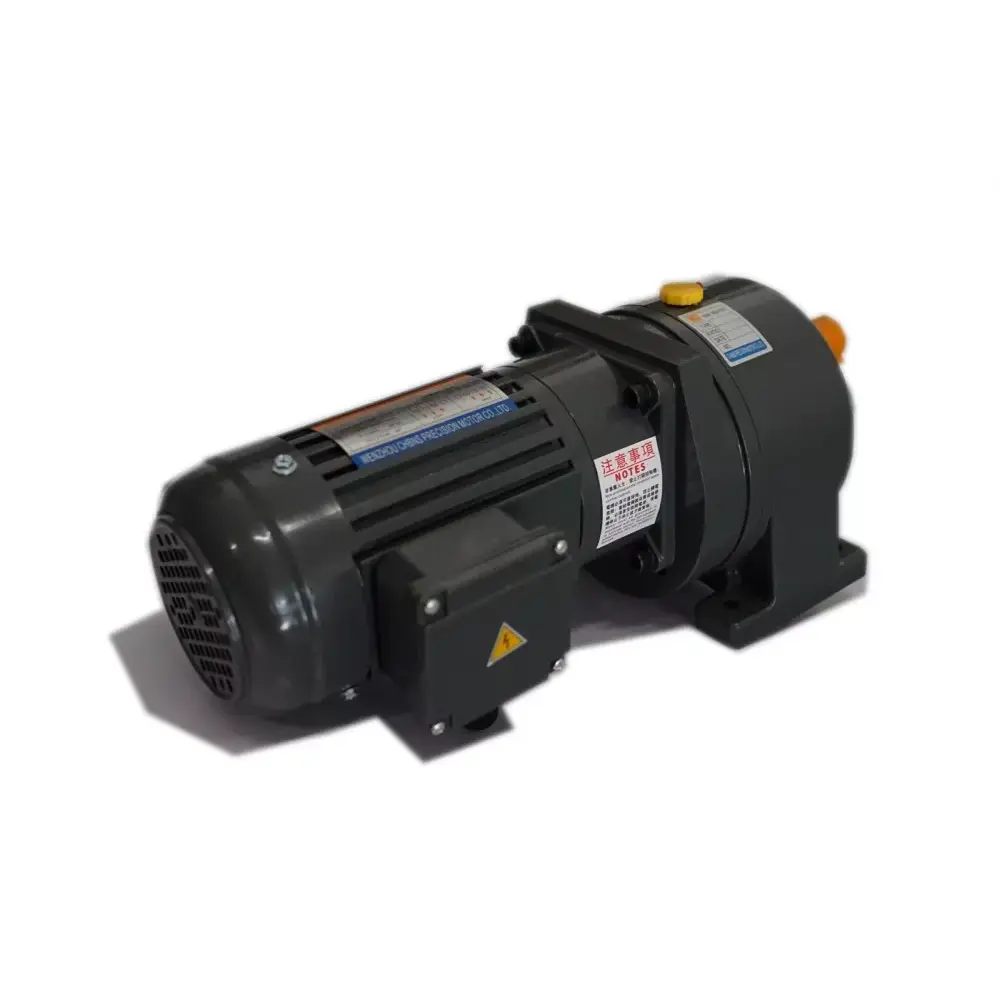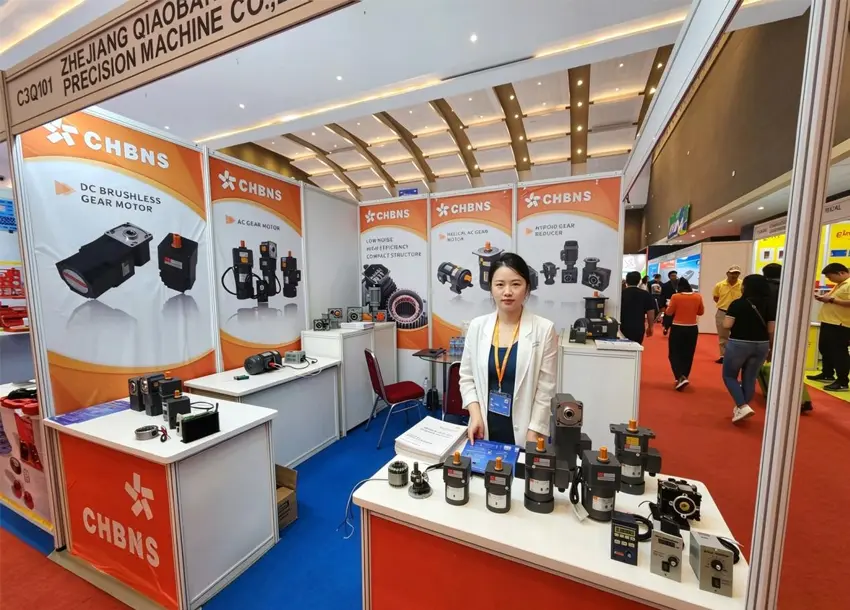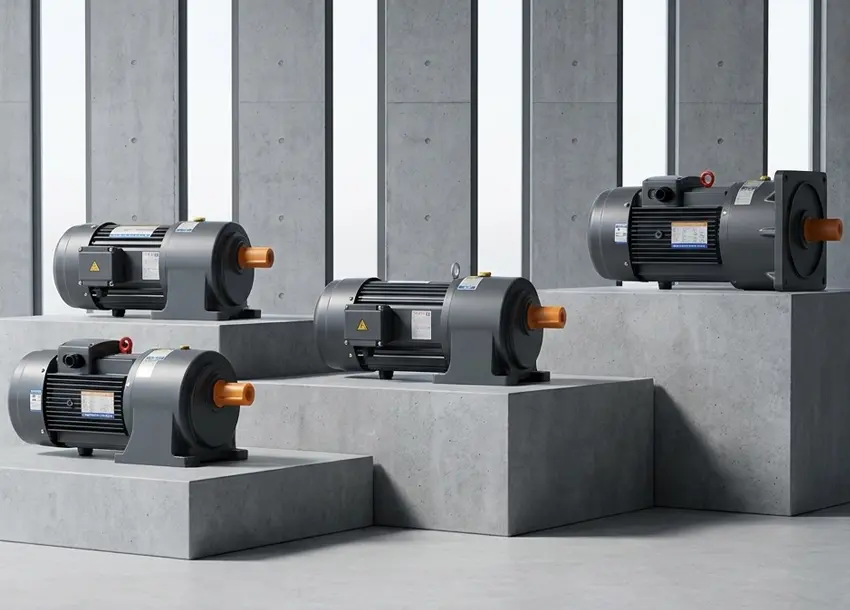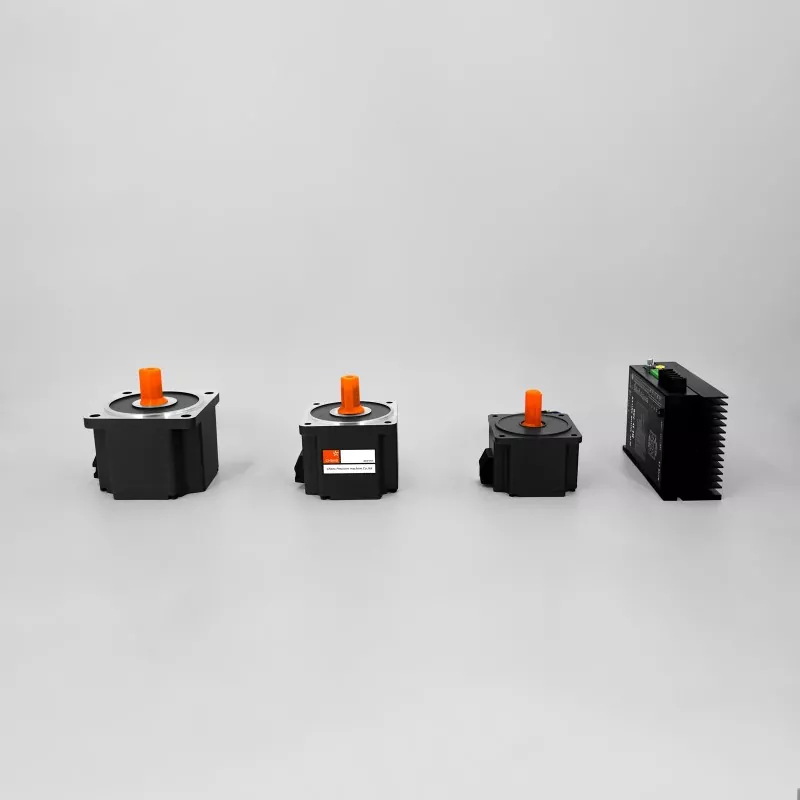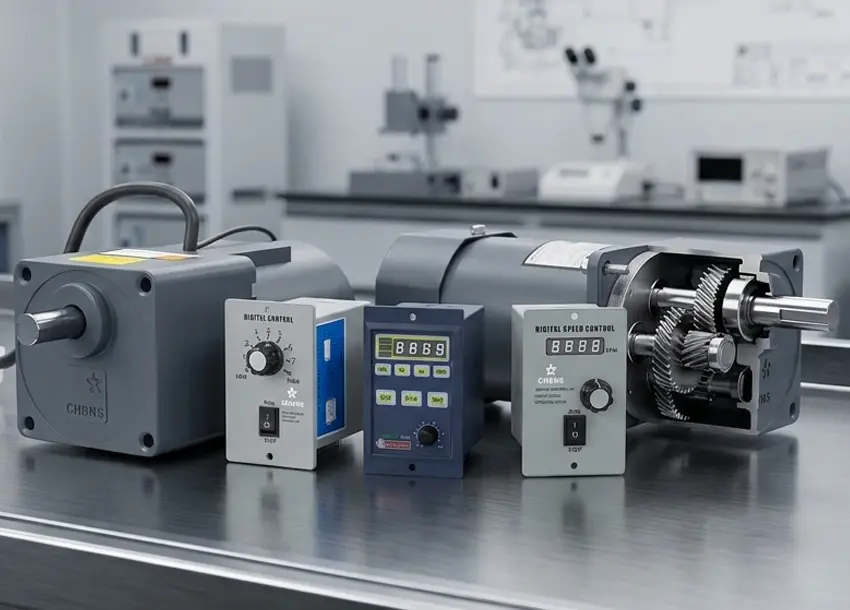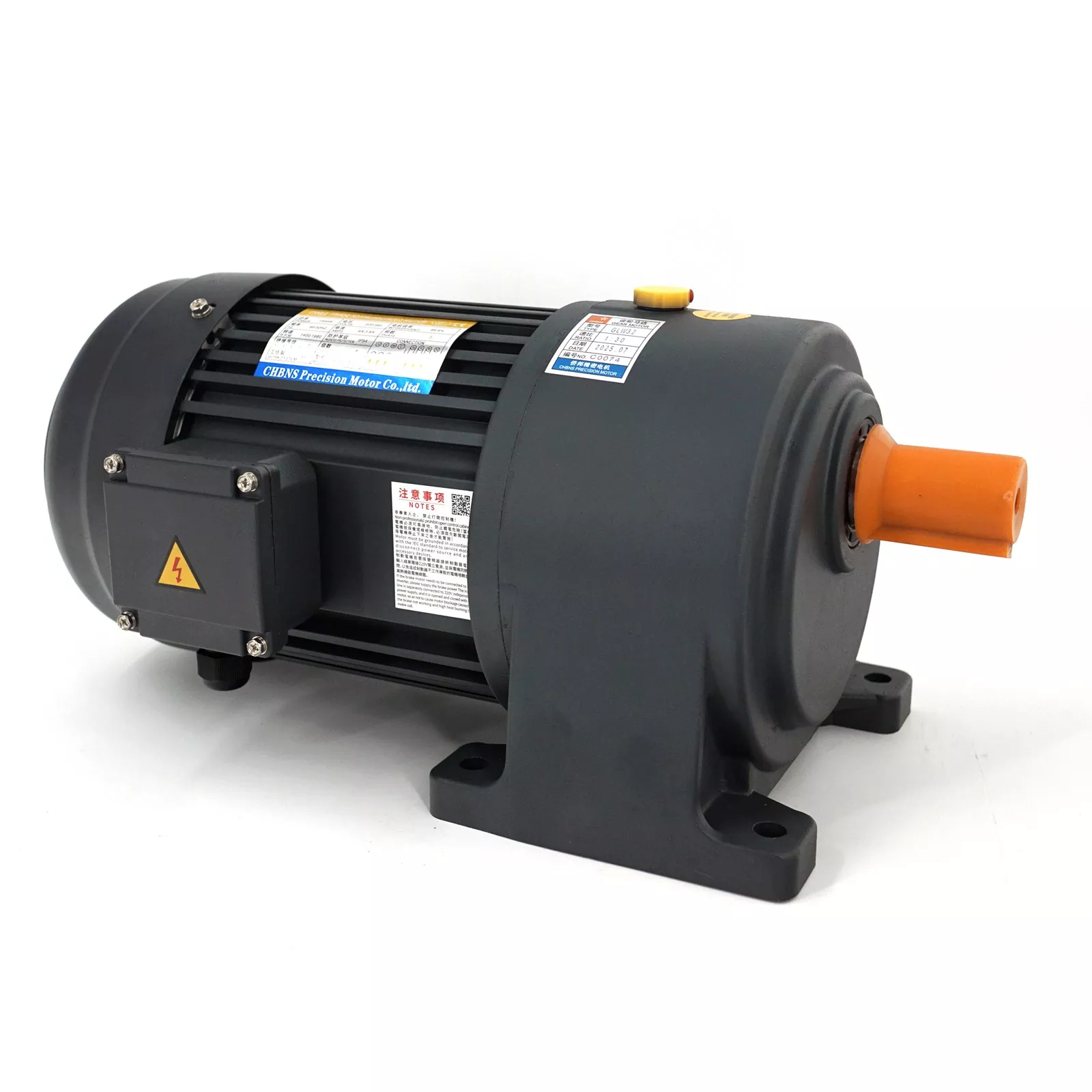
These High Ratio Gear Reducers are used when machinery requires a substantially lower output speed than the input speed. Through gear reduction, the unit changes rotational speed and increases the available output torque according to transmission efficiency and the gearbox's mechanical limits. CHBNS is a China gear reducer supplier offering different transmission designs for industrial drive applications.
Reduction ratio: Determines the relationship between input speed and output speed and helps match the drive to the required operating rate.
Output torque: Must meet the driven equipment's load requirements without exceeding the gearbox's rated capacity.
Gear mechanism: Helical, worm, hypoid, and planetary reducers have different transmission characteristics, efficiencies, and installation requirements.
Mounting configuration: Shaft orientation, mounting position, connection dimensions, and available space affect reducer selection.
Operating conditions: Duty cycle, starting loads, lubrication, ambient temperature, and mechanical loading must be considered.
A gear reducer lowers rotational speed according to its reduction ratio. For example, a 50:1 reduction ratio produces an output speed approximately one-fiftieth of the input speed under the corresponding operating conditions. If the input speed is 1,400 rpm, the theoretical output speed is approximately 28 rpm.
Reducing speed can increase available output torque, but the actual torque depends on input power, transmission efficiency, and the rated capacity of the reducer. A high reduction ratio does not automatically mean that a gearbox can handle every heavy-load application.
The required ratio is only one selection factor. Worm gear reducers may suit certain right-angle transmission arrangements, while hypoid and helical designs provide different combinations of shaft orientation and transmission characteristics. Planetary reducers are another option where compact construction and high torque density are relevant.
The best configuration depends on required output speed, torque, efficiency, available installation space, and operating conditions. Where a very high ratio is required, confirm whether the target can be achieved with the selected gearbox or requires a multistage transmission arrangement.
High Ratio Gear Reducers may be used in slow-speed conveyors, material handling machinery, packaging equipment, automated production systems, and other industrial drives requiring controlled low-speed movement. The appropriate gearbox must be matched to the mechanical load and the required output performance.
A high ratio gear reducer substantially lowers rotational speed between the input and output shafts. It is selected when the driven equipment needs a lower operating speed than the motor provides directly.
A higher ratio can increase available output torque for a given input torque, subject to transmission efficiency and gearbox limitations. The actual torque capacity is determined by the complete drive system and the reducer's ratings.
For a simple reduction calculation, divide the input speed by the reduction ratio. For example, 1,400 rpm divided by a 50:1 ratio gives approximately 28 rpm. Actual speed depends on the motor's operating speed and transmission configuration.
The choice depends on the required ratio, output torque, efficiency, shaft arrangement, dimensions, and operating conditions. Worm, helical, hypoid, and planetary gearboxes should be evaluated according to their individual characteristics.
Yes, if the selected model's rated torque, permissible loads, and service conditions meet the application requirements. The reduction ratio alone is not sufficient to establish heavy-load suitability.
Provide the input speed, required output speed, motor power, output torque, target reduction ratio, mounting arrangement, shaft configuration, and operating conditions. These details help determine a suitable reducer configuration.