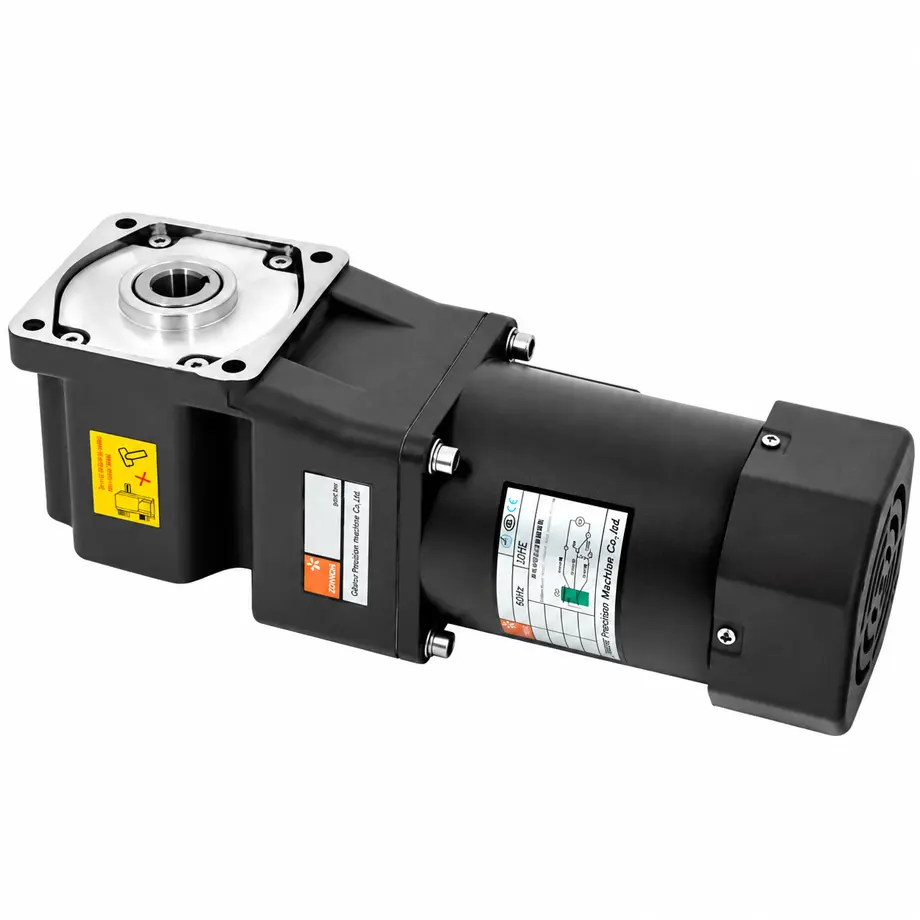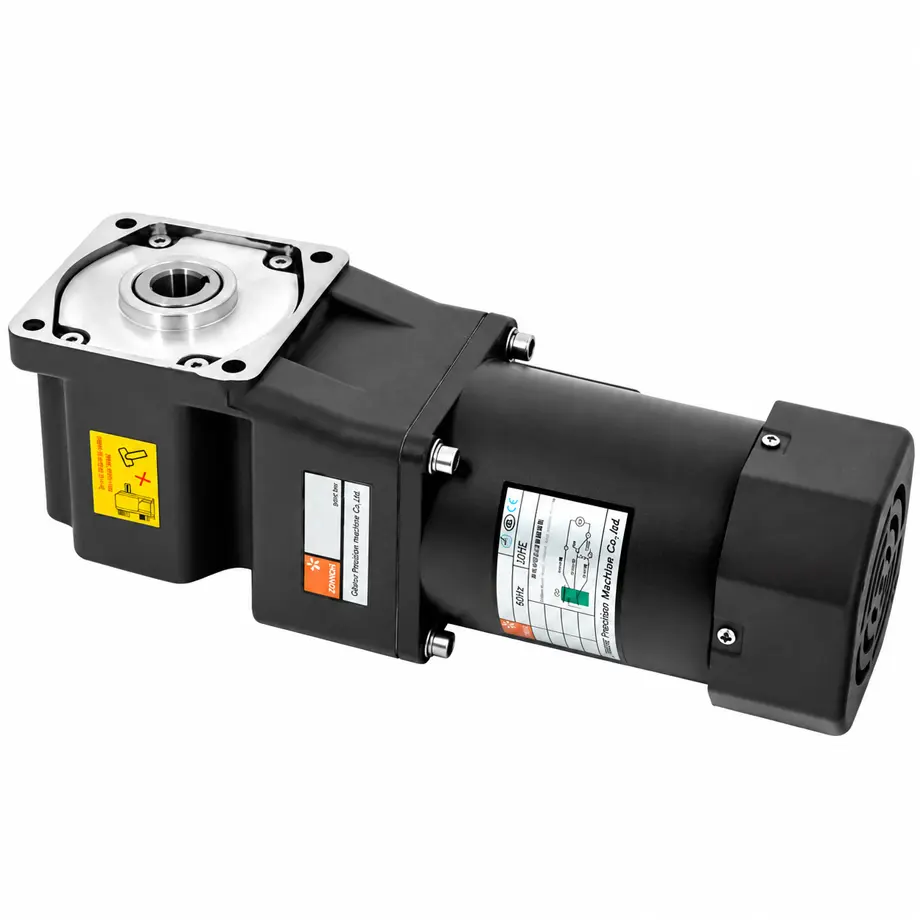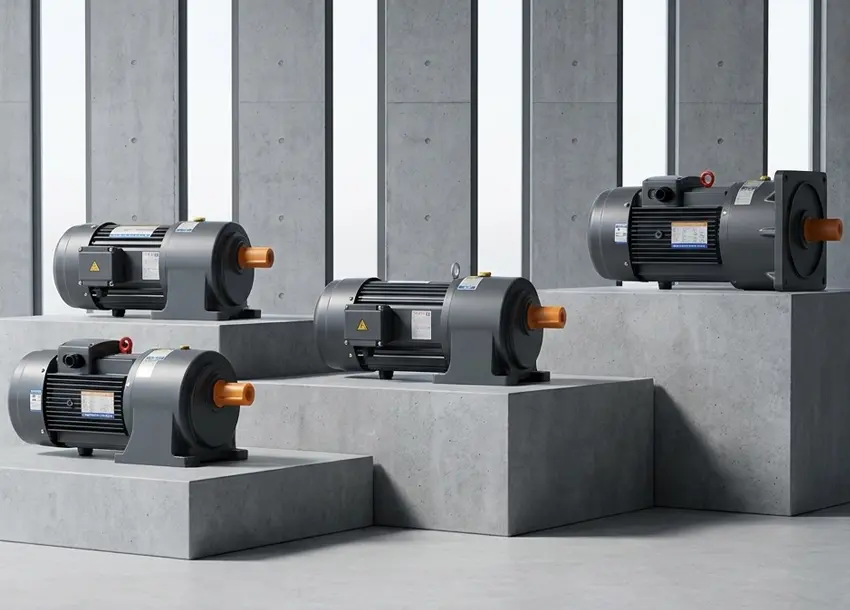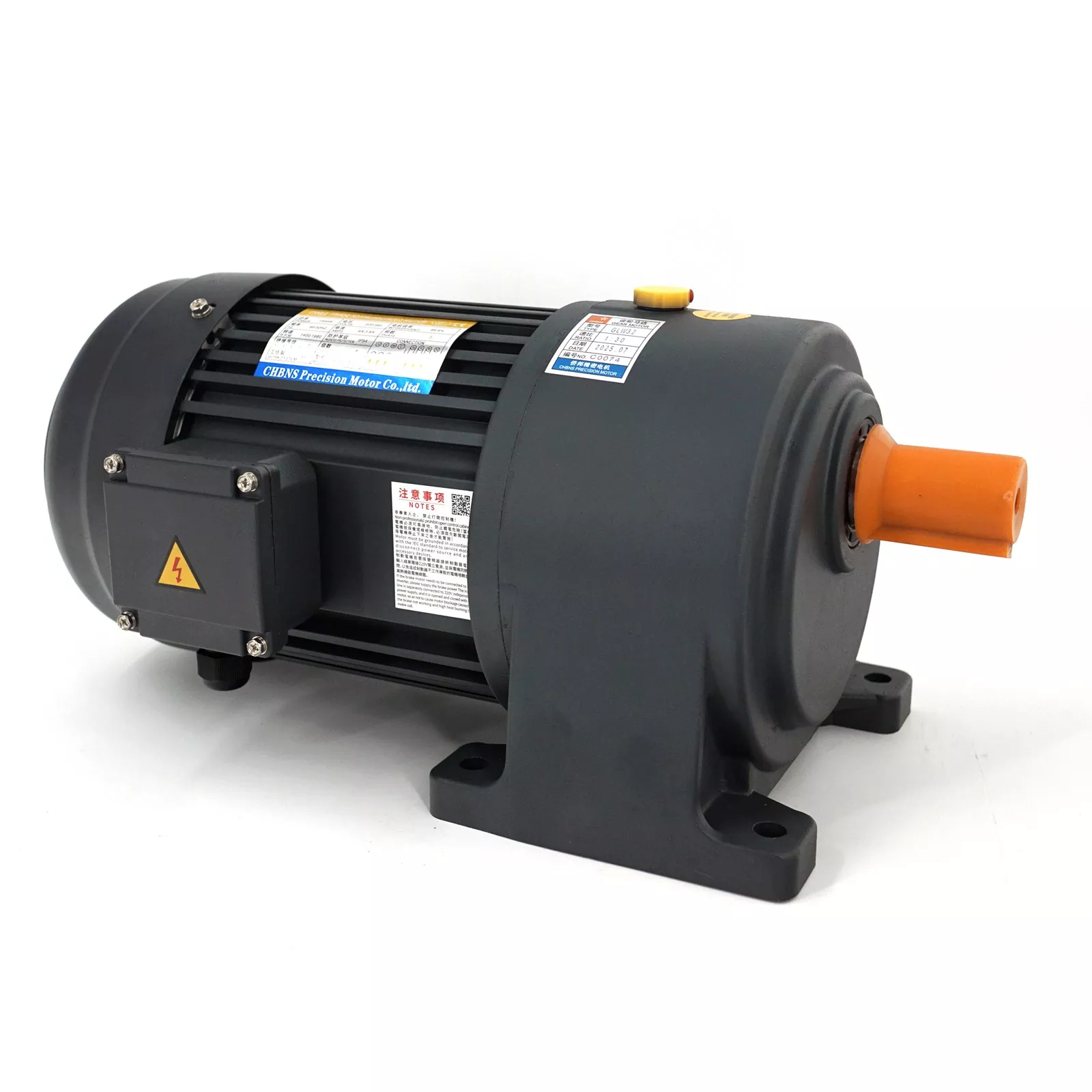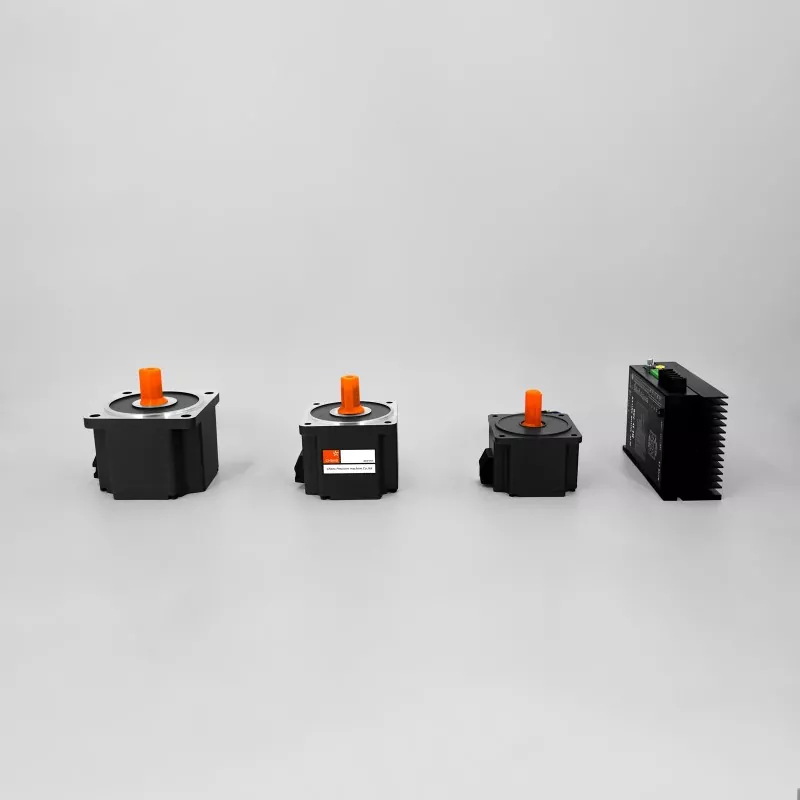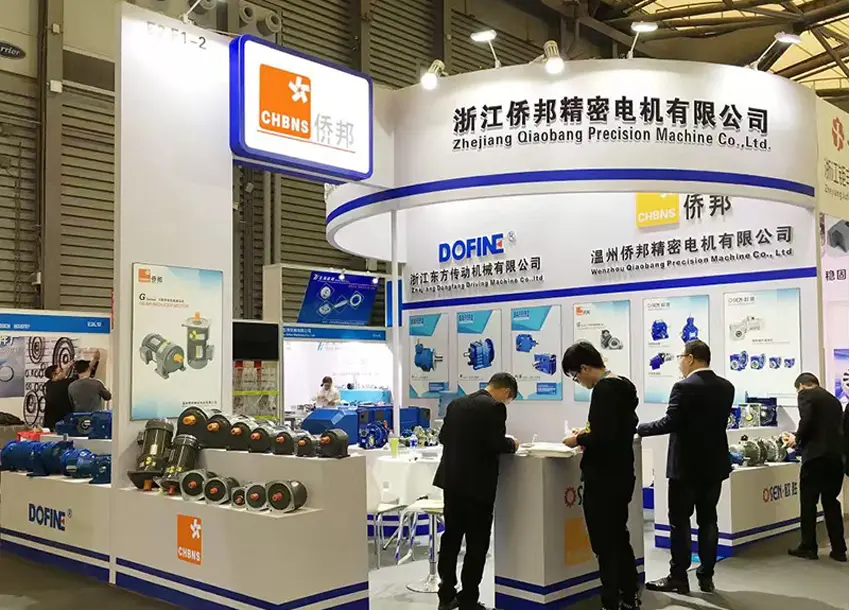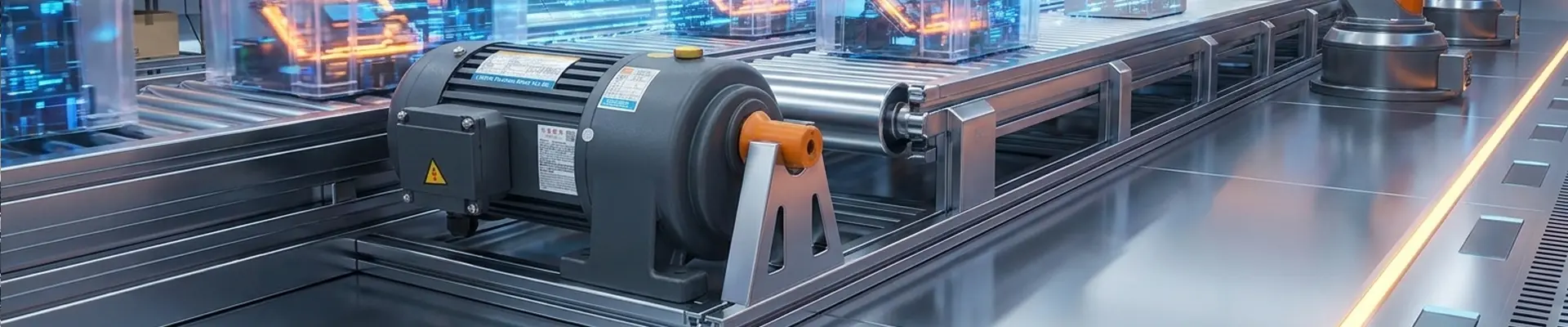
CHBNS is a China manufacturer and supplier of Right Angle Speed Reducers. A right-angle reducer lowers speed while redirecting the output relative to the input. The result can fit side-mounted machines, but the choice of worm, hypoid or bevel-based gearing determines more than the shaft direction alone.
Right Angle Speed Reducers are best understood through these four practical characteristics.
The drive source can sit across rather than along the driven shaft.
A directional change can reduce required axial depth.
Different mechanisms offer different contact patterns, reductions and thermal behavior.
Flange, solid-shaft or hollow-shaft interfaces depend on the selected unit.
Right Angle Speed Reducers can serve different machines when their load and installation conditions are matched.
Consider conveyors, rotary equipment and small processing machines with limited rear space. Choose the transmission type around running hours and load rather than shape alone.
| Item | This Route | Alternative or Comparison Point |
|---|---|---|
| Power Path | Offset hypoid gears provide a compact directional change. | A worm pair also changes direction but has a different sliding contact pattern. |
| Duty Comparison | Review losses and temperature at the actual speed and load. | A generic efficiency label is not an equivalent-duty comparison. |
Compare equivalent load, speed and duty. This is a structural comparison, not a measured performance claim against a named competitor.
For Right Angle Speed Reducers, prepare the application information before choosing a model.
State output direction, installation position, speed and torque. For continuous operation, include the cooling environment and the exact gear route being considered.
Required speed, continuous load and any short starting or impact peaks.
Shaft or bore dimensions, mounting face, installation space and supply connection.
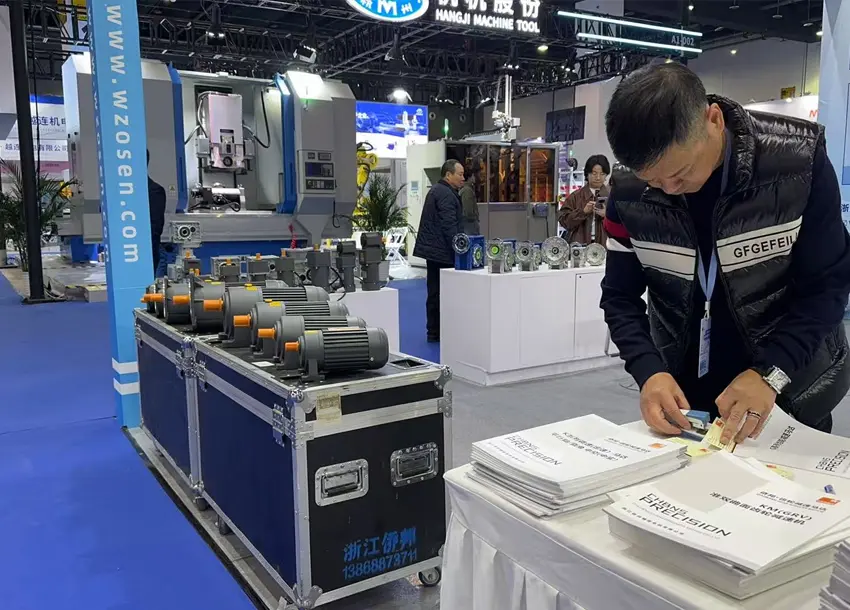
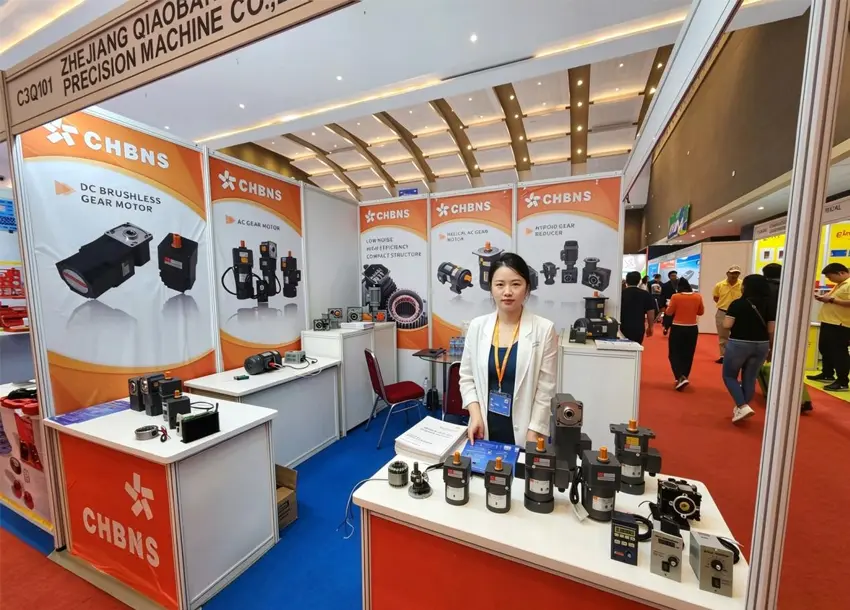
CHBNS factory material helps identify the series and structure. Confirm the final dimensions, ratings, inspection scope and supplied accessories for the chosen configuration.
No. The required output, load cycle, input source and mounting must be considered together. A larger ratio is not a promise of unlimited torque.
Do not assume load holding. Where movement could create a hazard, define the required brake or independent holding arrangement with the machine design.