At CHBNS, the Right Angle Reducer with Multiple Mounting is handled as an orientation-controlled purchase: a China factory provides manufacturer documentation and supplier review rather than promising that one unit can operate in every direction. KM58 family evidence is combined with the machine drawing to confirm the supporting face, input adapter, output form, load vector, lubrication attitude, fastener access, guard, cables, and service path.
The preferred face is determined by support stiffness, output direction, motor or input clearance, external loads, lubrication, drain and fill access, guarding, and future removal - not by bolt holes alone.
The advantage is controlled orientation flexibility: designers can compare practical faces and output directions while keeping the evidence and limits visible.
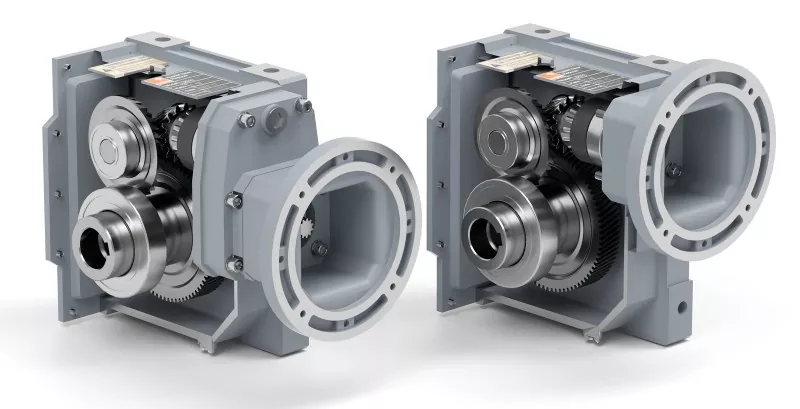
The power path turns between input and output, giving machine designers another way to route around frames, aisles, guards, and adjacent modules.
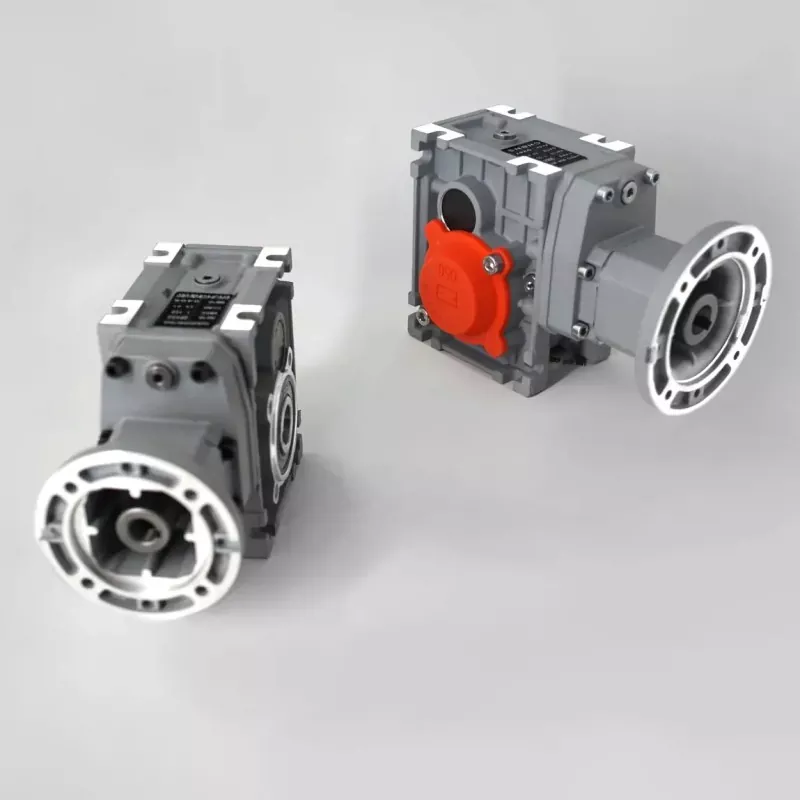
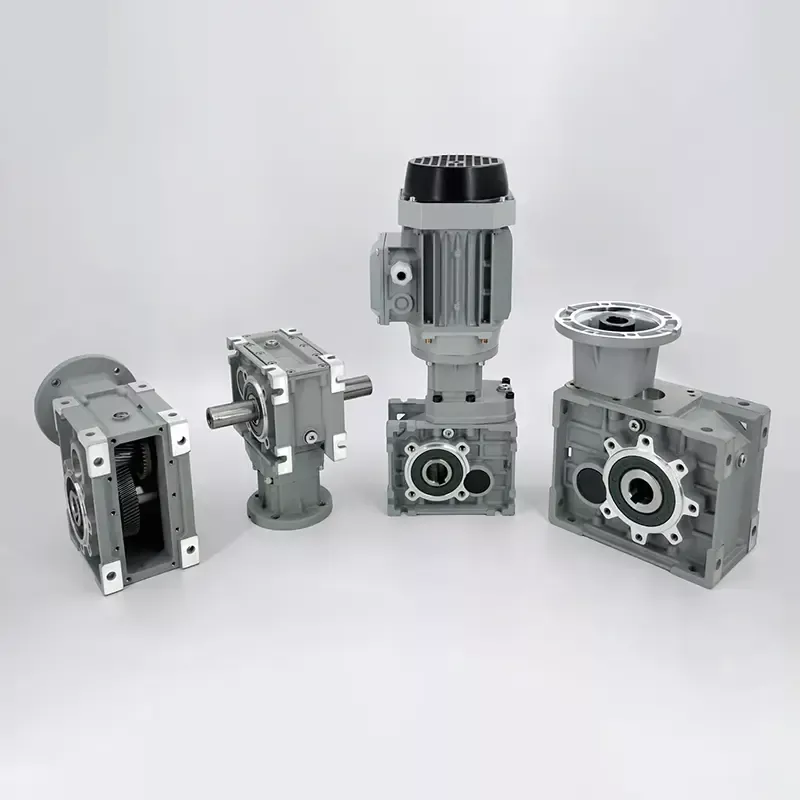
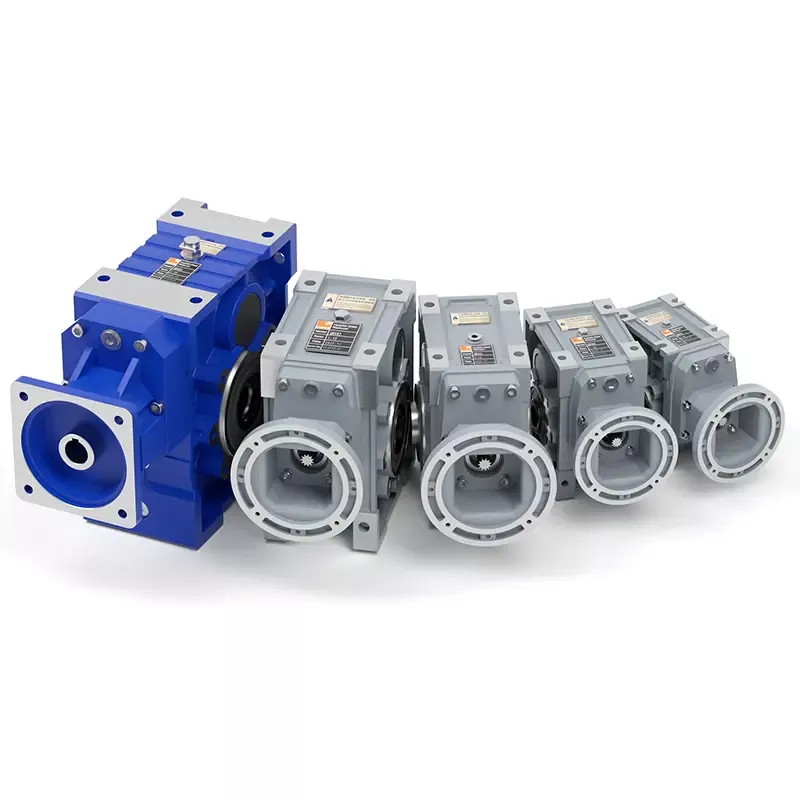
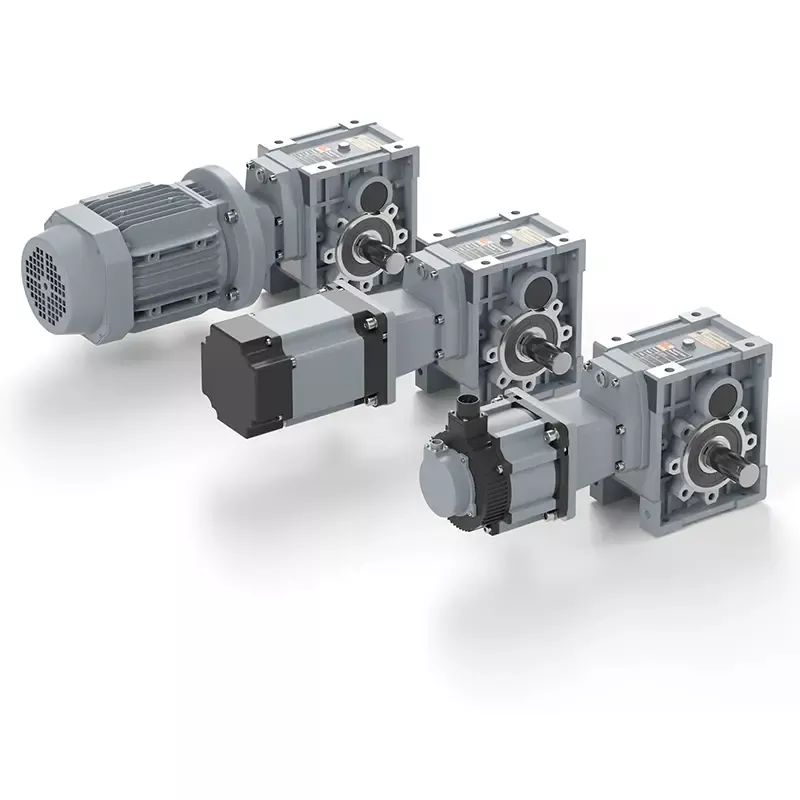
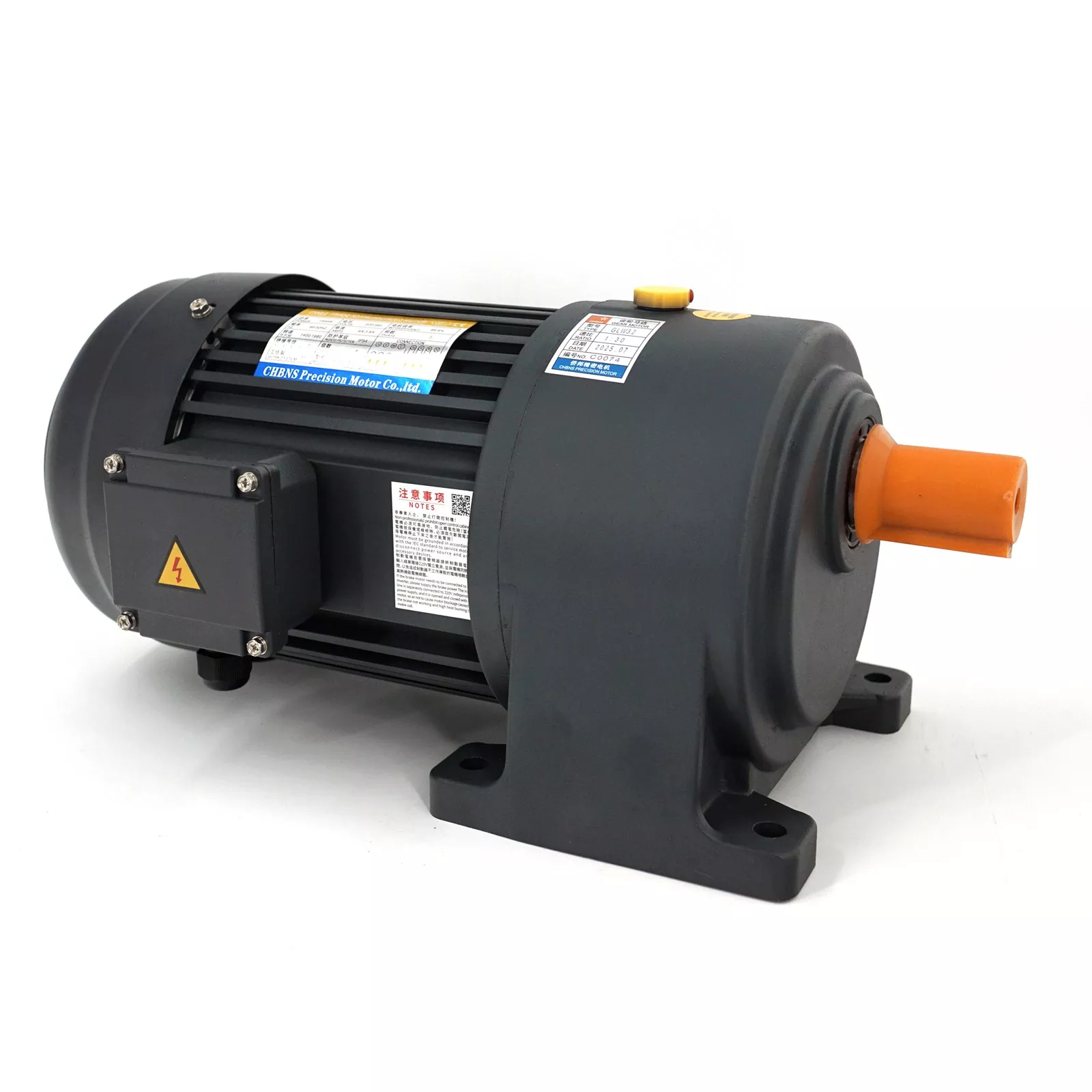
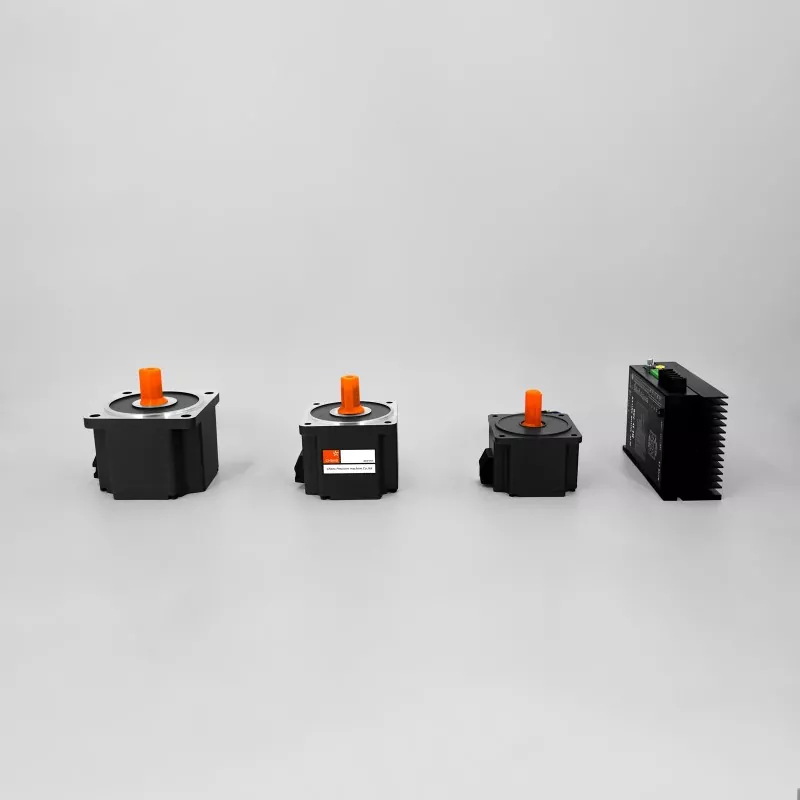
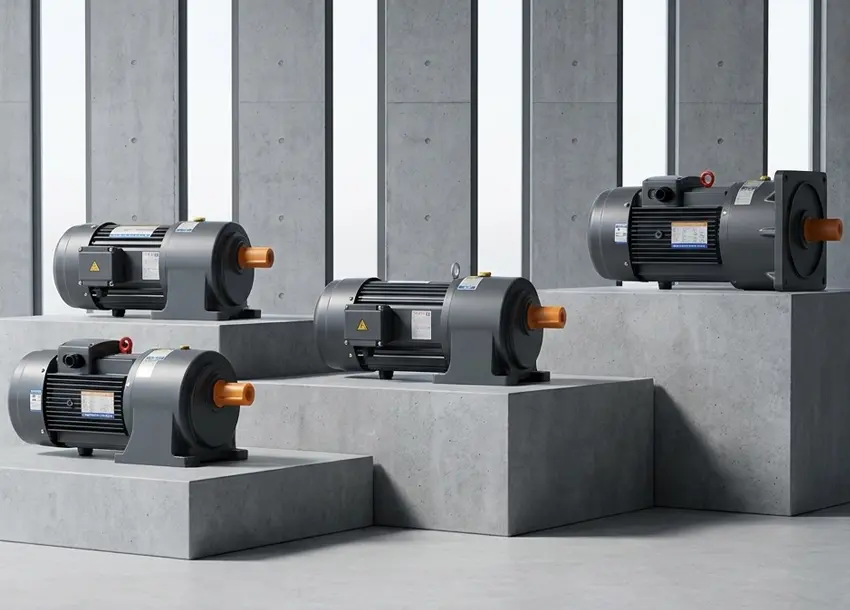
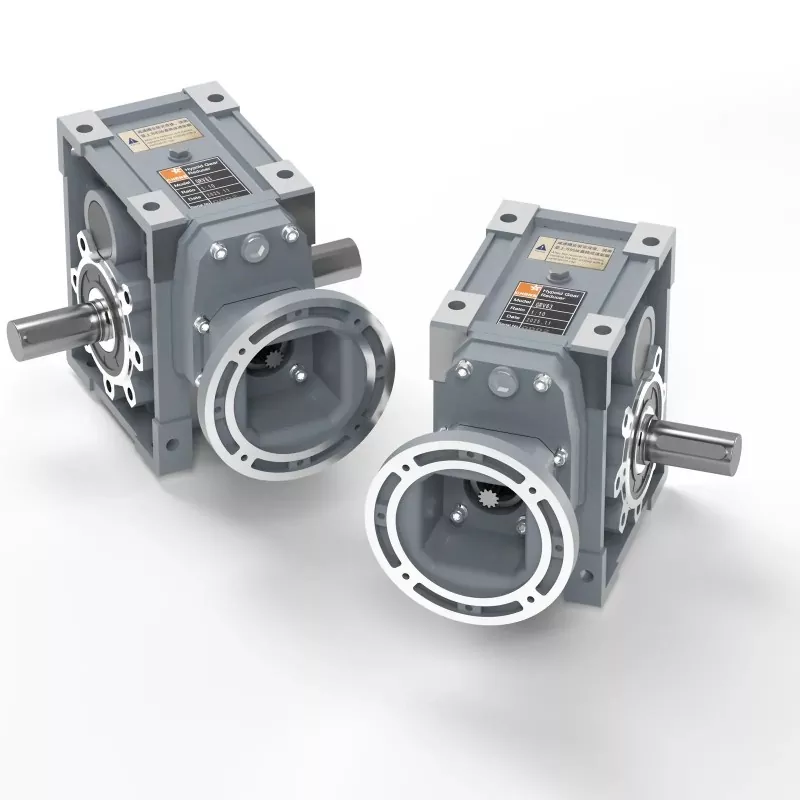
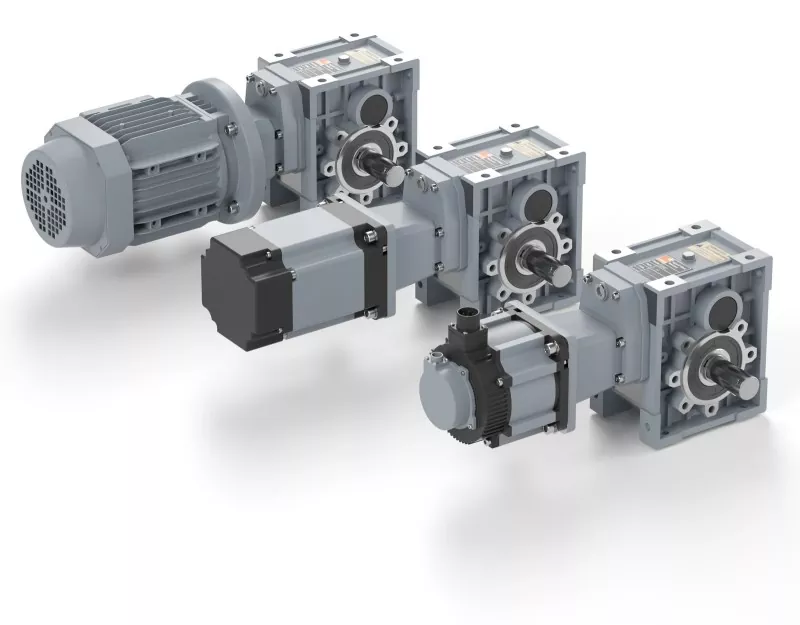
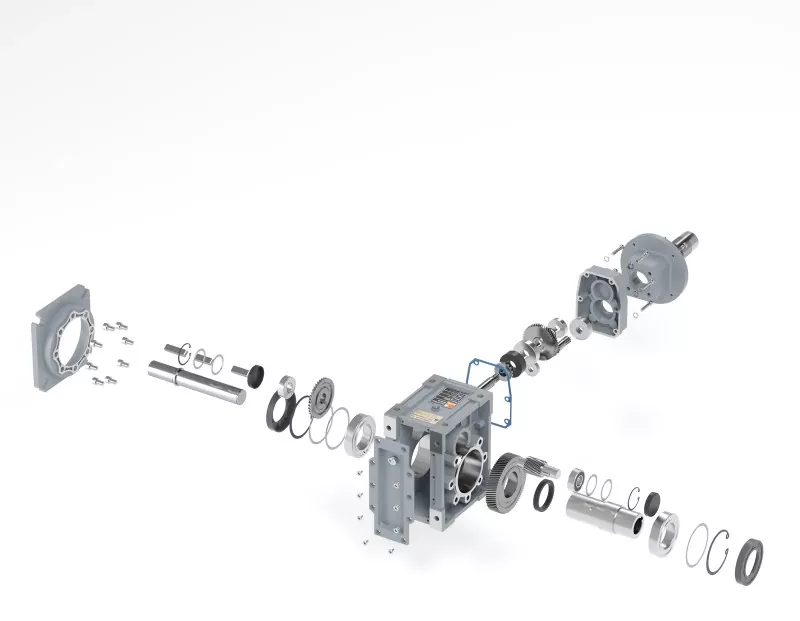
Local renders and KM58 sheets show flange, shaft, hollow-output, and motor-adapter concepts that can be narrowed to a confirmed build.
A common reducer concept may support left-hand, right-hand, or rearranged machine stations when each orientation is separately verified.
Lubrication, load direction, fasteners, cables, guards, and extraction can be resolved during drawing review instead of at installation.
Every listed use still requires a model-specific check of duty, mounting, lubrication, loads, interfaces, and safety.
Compare left and right layouts while preserving shaft direction, guard access, support stiffness, and service zones.
Use controlled interface drawings so each frame variant has a separately verified orientation and clearance map.
Measure the existing shaft, support, load, guards, and available faces before selecting an input and mounting route.
Model the tool, fill, drain, cable, guard, and removal paths as requirements rather than residual space.
Changing the mounting face changes how gravity, external forces, oil position, fasteners, guards, and cables relate to the reducer.
Show shaft or bore orientation, rotation convention, driven component, support bearings, and every radial or axial force on the machine drawing.
Check housing contact, pad stiffness, fastener access, reaction path, and whether the input package clears nearby structure.
Confirm the selected attitude with the supplier and keep the required fill, drain, inspection, guard, and cable access available.
Record the chosen face, input and output orientation, shaft connection, accessories, inspection points, and packaging protection as one configuration.
The available source material shows family interfaces and outline arrangements; permissible operation must follow the confirmed configuration.
| Evidence item | Published or visible reference | Interpretation boundary |
|---|---|---|
| Family reference | KM58 input, adapter, and outline sheets | Select the exact row and output form before releasing dimensions. |
| Input concepts | IEC, NEMA, and servo/stepper flange references appear in the sheets | Presence in a matrix does not confirm every adapter, motor, or ratio combination. |
| Output concepts | Solid-shaft, hollow-output, and flange forms are visible in local material | The chosen form and its load direction require model-specific confirmation. |
| Series video | Construction, output arrangements, and one motorized configuration are visible | The video does not state that every shown unit accepts every mounting attitude. |
Final performance follows the confirmed model, controller, ratio, duty and test agreement.
This compares controlled and low-information external practices, not CHBNS product alternatives or named competitors.
Lower-feature external optionA housing may be rotated in the machine because the bolt pattern appears to fit.
CHBNS review pathThe selected face, input, output, load vector, and machine clearances are recorded together.
Lower-feature external optionFill, drain, inspection, and service access may be checked after installation.
CHBNS review pathLubrication attitude and service zones are closed during the drawing review.
Lower-feature external optionA field change may not update drawings, spare parts, or acceptance records.
CHBNS review pathOne orientation-specific configuration can control production, inspection, and replacement.
Lower-feature external optionIt may suit prototypes where the machine builder owns lubrication, validation, and documentation.
CHBNS review pathA documented supplier path is useful for repeat builds, export orders, and controlled service.
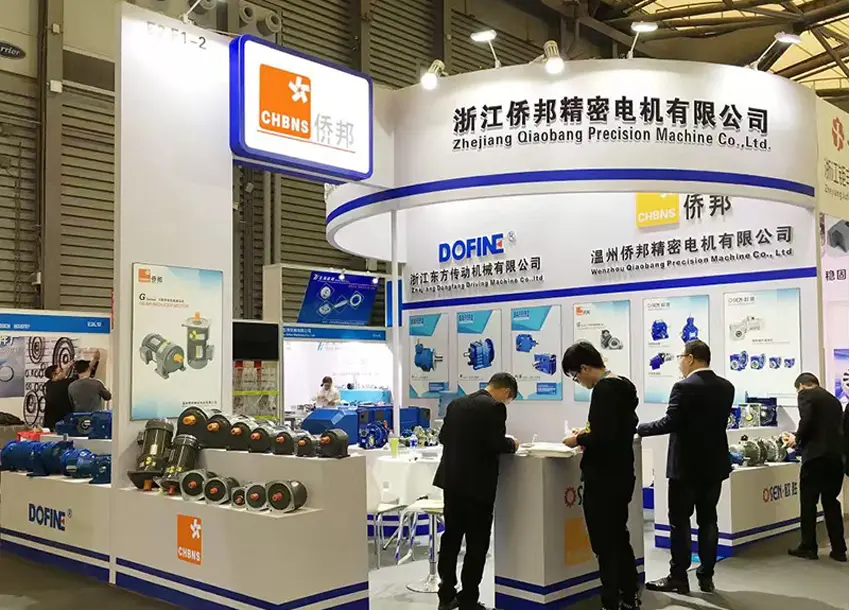
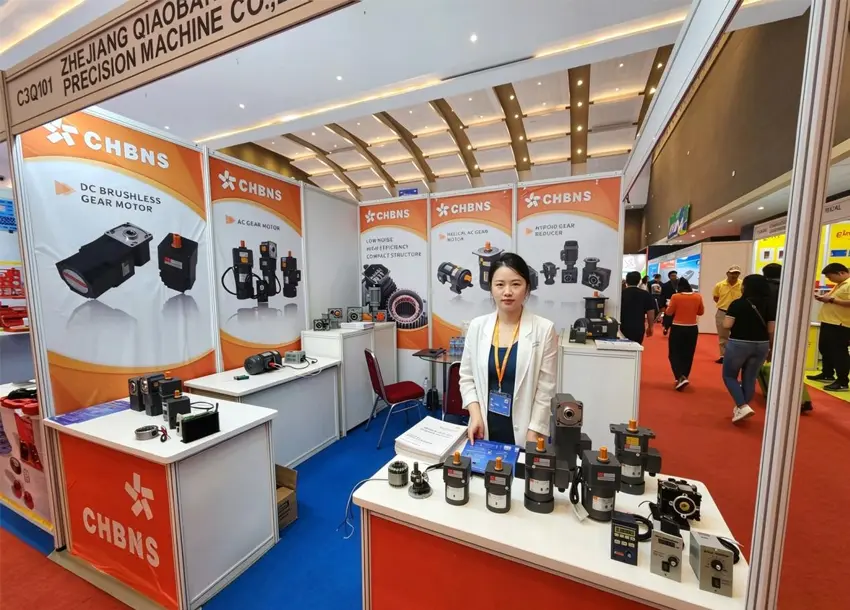
The workshop photograph shows a real production environment, while formal drawings control the interface. For the order, define orientation-specific identification, assembly points, lubrication checks, interface dimensions, inspection records, and any witness requirement.
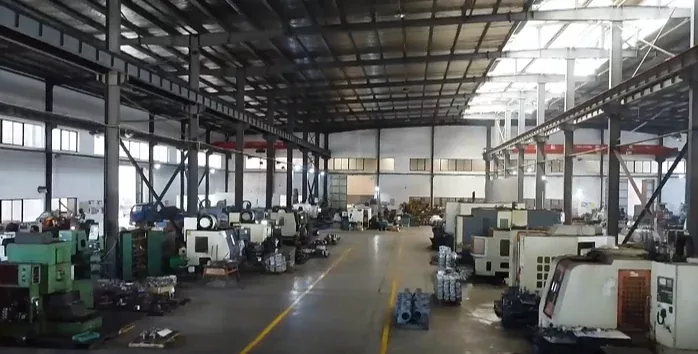
Mounting face, input, output, lubrication attitude, access, and interfaces can be reviewed before a bulk order is released.
Family sheets give procurement and engineering a common starting point for an OEM or customized layout.
The page does not turn visual variety into a claim of unlimited mounting, ratio, load, or performance.
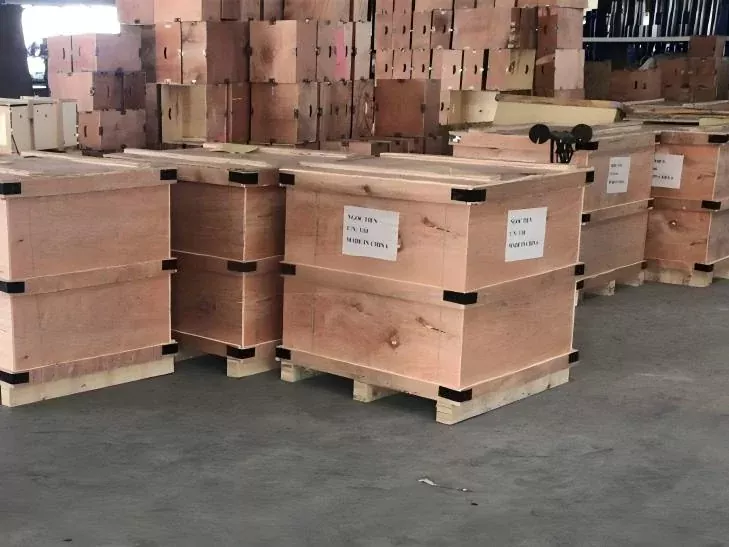
Define shaft and flange protection, oil or lubricant shipping condition where relevant, loose adapters, keys and fasteners, orientation labels, blocking, moisture control, crate, quantity, and destination. The stored-crate image confirms only a logistics scene; the released packing list and protection plan define supply scope.
Send a marked-up machine drawing showing acceptable faces, blocked zones, output direction, input space, service routes, and the complete load case.
Answers remain conditional on the selected motor, controller, reducer, duty and order documents.
No universal permission is implied. The selected model, input and output form, load direction, lubrication condition, support, access, and approved drawing must confirm each intended orientation.
No. The load direction relative to bearings, support, gravity, and lubrication can change, so the full vector should be reviewed.
No. A render shows appearance or construction. Confirm operation and lubricant requirements for the selected configuration.
Create and approve a separate orientation drawing for each station, including rotation, shaft loads, access, guard, and cable routing.
Agree product identity, orientation or accessory references, handling, protection, document set, and any loose-item labels before shipment.
Open the original source before treating any family example as an ordered-model value.
The Hypoid series video shows reducer construction, several output forms, and a motorized configuration. It supports orientation discussion but does not authorize a mounting face or lubrication condition for a specific KM58 order.
Address
No.785 Jiangnan Road, Nanmingshan street, Liandu district, Lishui City, Zhejiang Province , China.
Tel