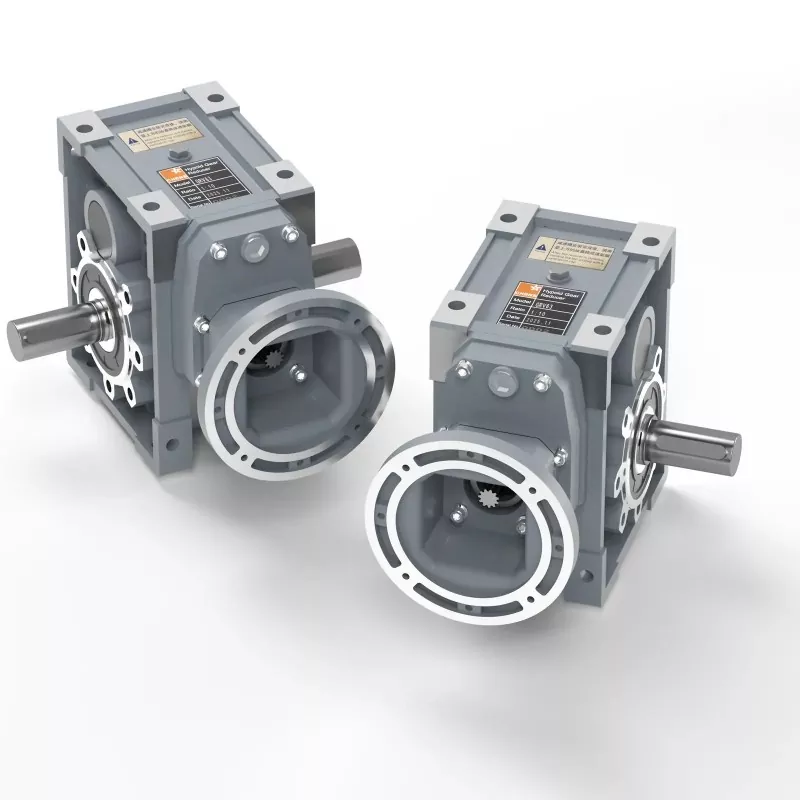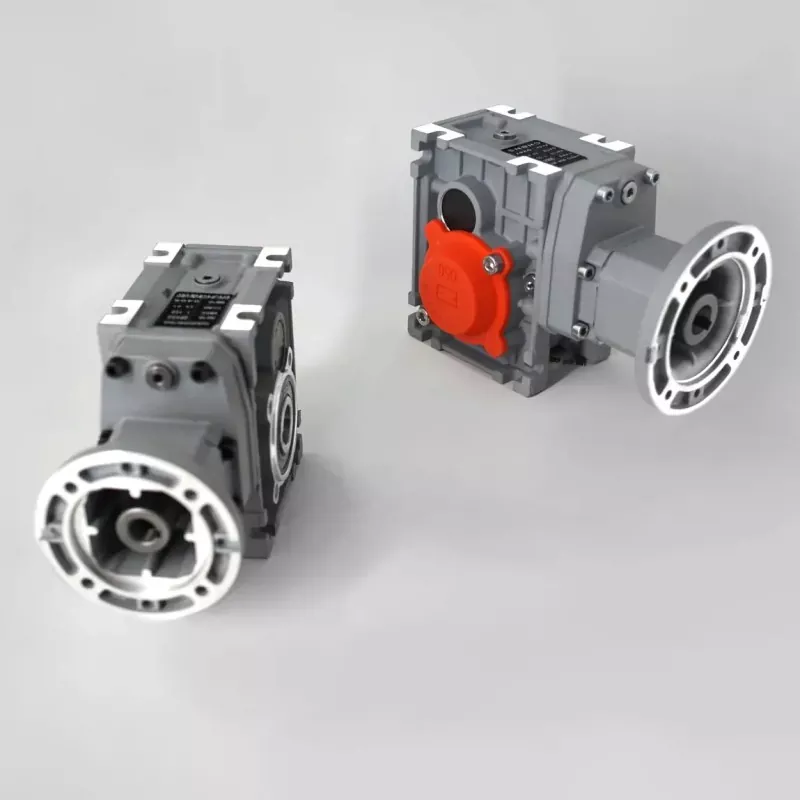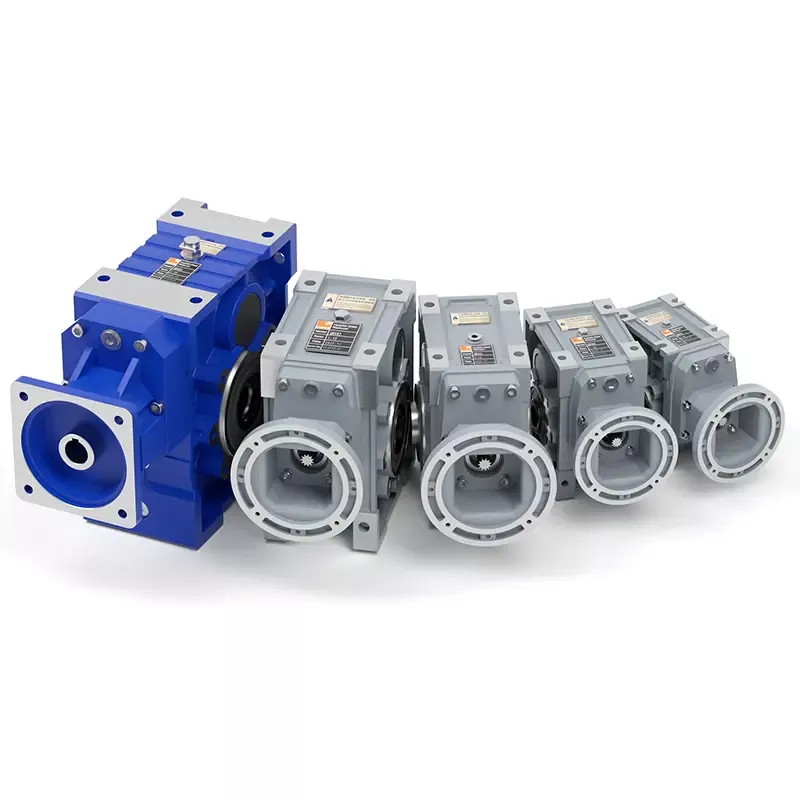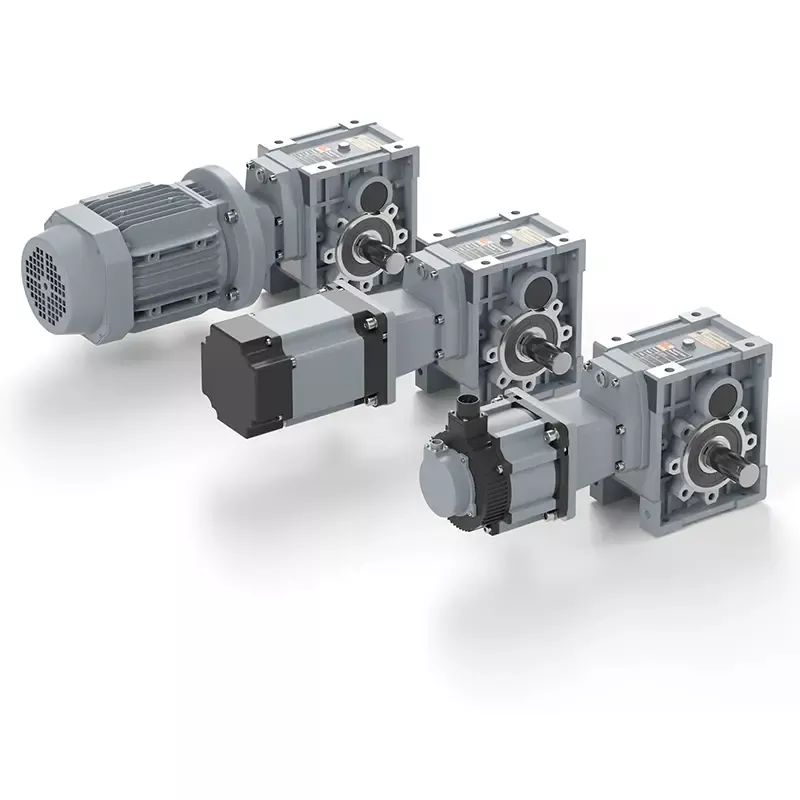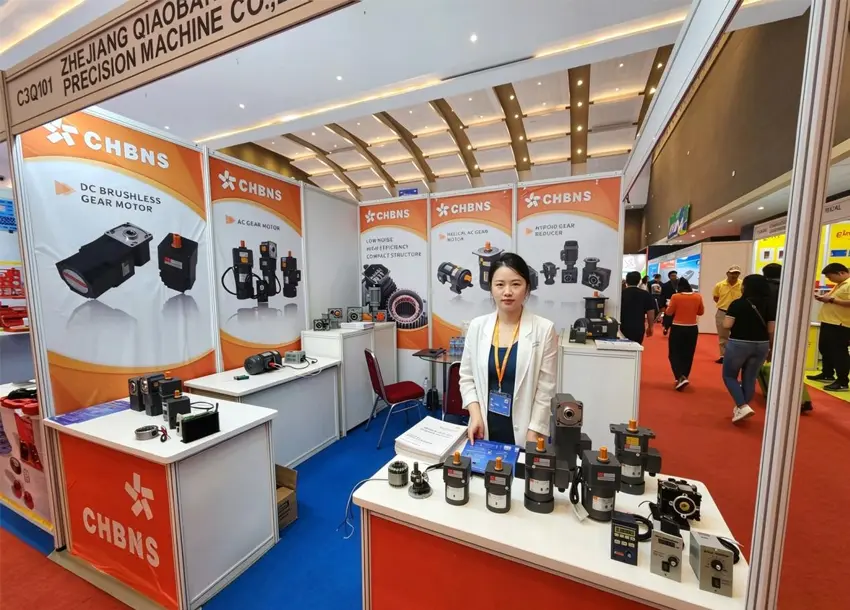
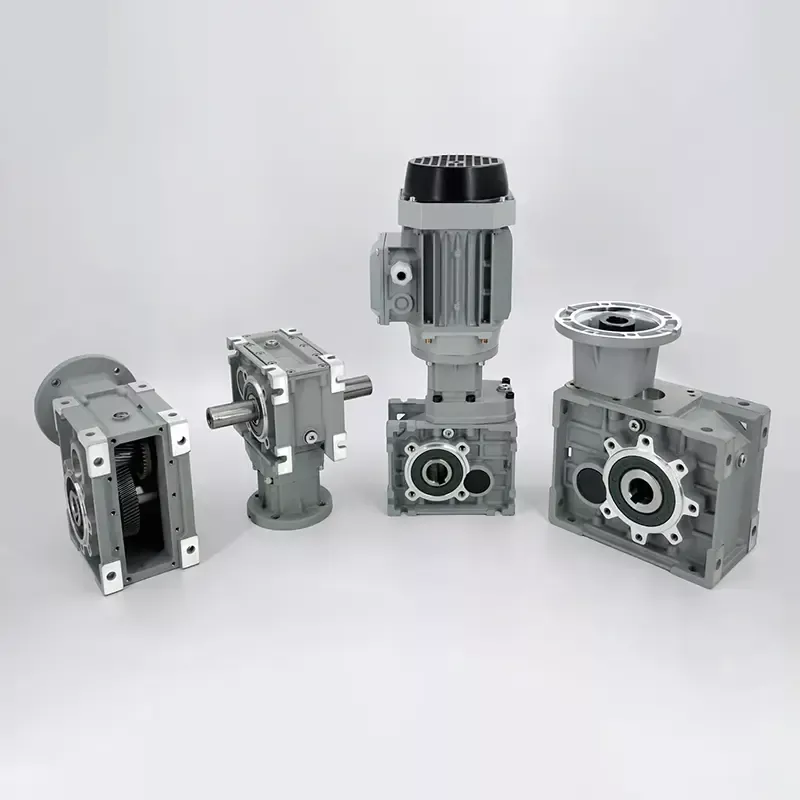
When demanding duty is the starting point, CHBNS reviews the High Torque Hypoid Gear Motor through its China factory, connecting manufacturer evidence with supplier coordination from the driven shaft backward. Continuous load, starts, acceleration, reversals, jams, braking, duration, external shaft forces, and ambient conditions come before motor power or ratio; any usable torque statement remains tied to the selected configuration and documented acceptance method.
Record what the machine does during normal production and abnormal events. Average demand can hide short peaks, frequent starts, reversals, or overhung forces that govern the mechanical selection.
The core advantage is not an unverified maximum; it is a compact gear architecture supported by a selection and verification path that exposes demanding events.
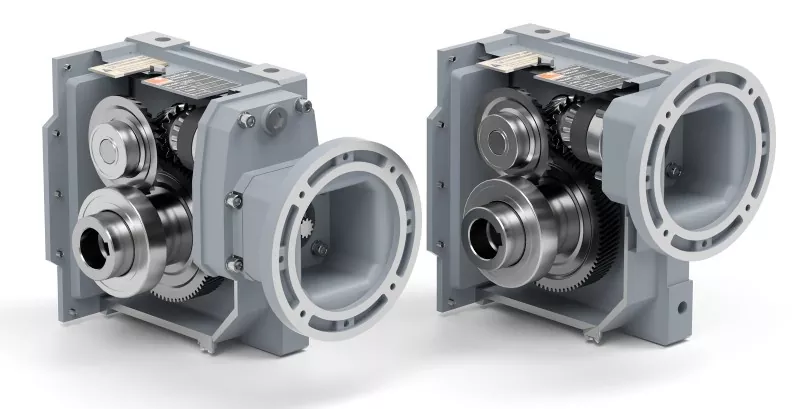
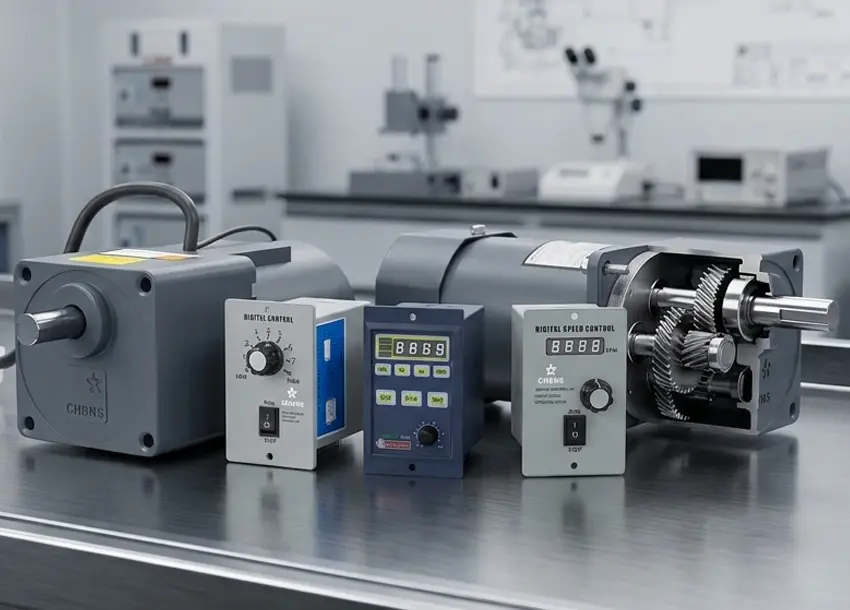
The local cutaway shows offset gearing with substantial tooth engagement while the input and output are arranged at right angles.
Starting, acceleration, reversal, jams, braking, and impact are requested separately so a moderate average does not hide the hardest point.
The review includes radial and axial forces and overhung distance instead of treating output torque as the only mechanical input.
Where required, the quotation can define a test or inspection point with stated load, speed, duration, tolerance, and reporting boundary.
A credible heavy-duty choice connects time, load, speed, direction, support, and temperature instead of applying an unexplained margin.
Define steady output speed, running load, daily hours, dwell periods, ambient temperature, and the real driven mechanism.
List starts per hour, acceleration time, reversals, product impact, material buildup, jams, emergency stops, and holding events.
Provide pulley, sprocket, coupling, lever arm, radial and axial forces, their directions, and distance from the reducer face.
Agree the model, ratio, interface, test condition, measured quantities, duration, tolerance, and record format before production release.
The available evidence supports model-family, interface, construction, and process discussion; it does not supply a project-specific torque result.
| Evidence item | Published or visible reference | Interpretation boundary |
|---|---|---|
| Family reference | KM38 input, adapter, and outline sheets | Dimensions and option rows must be read for the selected order code. |
| Gear-path evidence | Local cutaway render exposes the internal mesh | The image supports construction explanation, not a numeric rating or material certificate. |
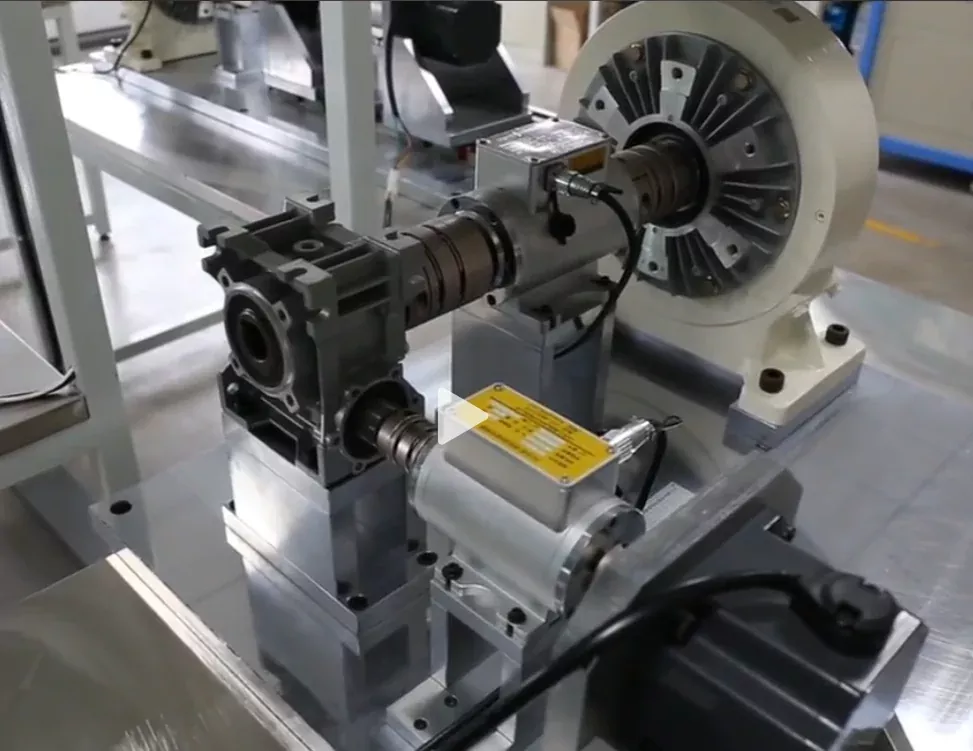
| Torque-test context | Local fixture photograph shows a reducer under test setup | No model, load, speed, duration, tolerance, or result is inferred from the photograph. |
| Gear-process context | Heat-treatment and gear-inspection images are available | They show process capability only; ordered materials, hardness, and records require specification. |
Final performance follows the confirmed model, controller, ratio, duty and test agreement.
This compares the completeness of two external buying paths, not CHBNS products or named competitors.
Lower-feature external optionA single nominal torque or motor power may stand in for the full machine cycle.
CHBNS review pathContinuous, starting, peak, reversal, jam, and braking events are recorded separately.
Lower-feature external optionPulley or sprocket forces may be omitted from reducer selection.
CHBNS review pathForce direction, magnitude, support, and overhung distance are part of the inquiry.
Lower-feature external optionA generic test photograph may be treated as proof without conditions or results.
CHBNS review pathRequired test point, duration, acceptance limit, record, and witnessing are specified.
Lower-feature external optionIt may suit a low-consequence, well-characterized duty validated entirely by the machine builder.
CHBNS review pathFactory review is useful when peaks, thermal duty, interfaces, and acceptance need a shared trail.
These are review starting points, not proof of suitability for a named machine or safety function.
Provide payload, belt or chain data, acceleration, starts per hour, incline, jam behavior, and shaft forces.
Use measured or conservatively defined resistance over time, including buildup and restart conditions.
Review inertia, cycle time, acceleration, reversal, dwell, stopping, and any impact at the station.
Show sprocket or pulley position, bearing support, force direction, and the complete operating cycle.
A test fixture image proves only that a test context exists. The order should state the unit identity, setup, load, speed, duration, measured quantities, tolerance, calibration or traceability expectation, witness requirement, and report format.

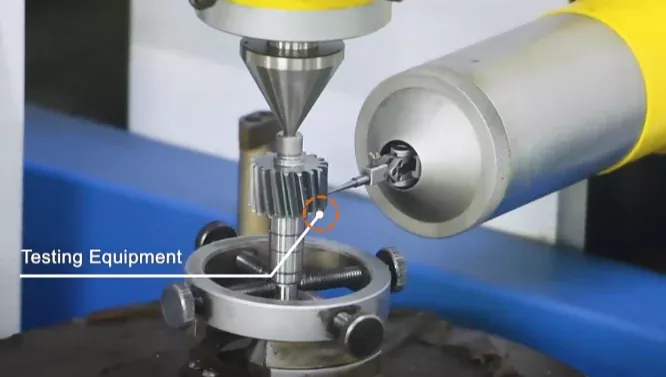
Send a time-based operating cycle and output arrangement so the demanding point is visible before configuration release.
The inquiry separates steady demand, transient events, shaft forces, thermal conditions, and acceptance rather than relying on one label.
KM38 sheets provide a documented basis for input, adapter, outline, and output discussions.
Numeric claims remain conditional until a selected model, duty, and verification method support them.
Confirm unit mass, lifting points, center of gravity where relevant, shaft and flange protection, corrosion control, blocking, crate construction, quantity, destination, and handling restrictions. The truck-loading photograph documents shipment activity only; it supplies no pack calculation or order identity.
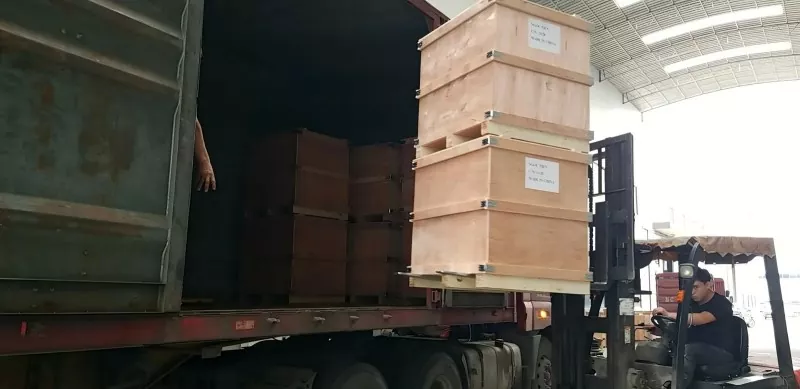
Answers remain conditional on the selected motor, controller, reducer, duty and order documents.
Provide a time-based speed-load cycle, starts, peaks, reversals, jams, braking, radial and axial forces, mounting, environment, and acceptance method. The usable rating must then be tied to the confirmed model and conditions.
No universal conclusion follows. Gear rating, input, thermal duty, shaft forces, service factors, and the selected ratio all affect usable output.
No. It lacks a visible model, test condition, measured value, duration, tolerance, and signed result.
They can create short mechanical and thermal demands that a normal running point does not reveal.
Yes, after the required point, setup, duration, limits, record, cost, and witness conditions are defined and confirmed.
Open the original source before treating any family example as an ordered-model value.
The Hypoid series video shows internal construction and a motor-plus-reducer configuration. It does not show a KM38 torque test, rating, duty cycle, temperature, or acceptance record.
Address
No.785 Jiangnan Road, Nanmingshan street, Liandu district, Lishui City, Zhejiang Province , China.
Tel