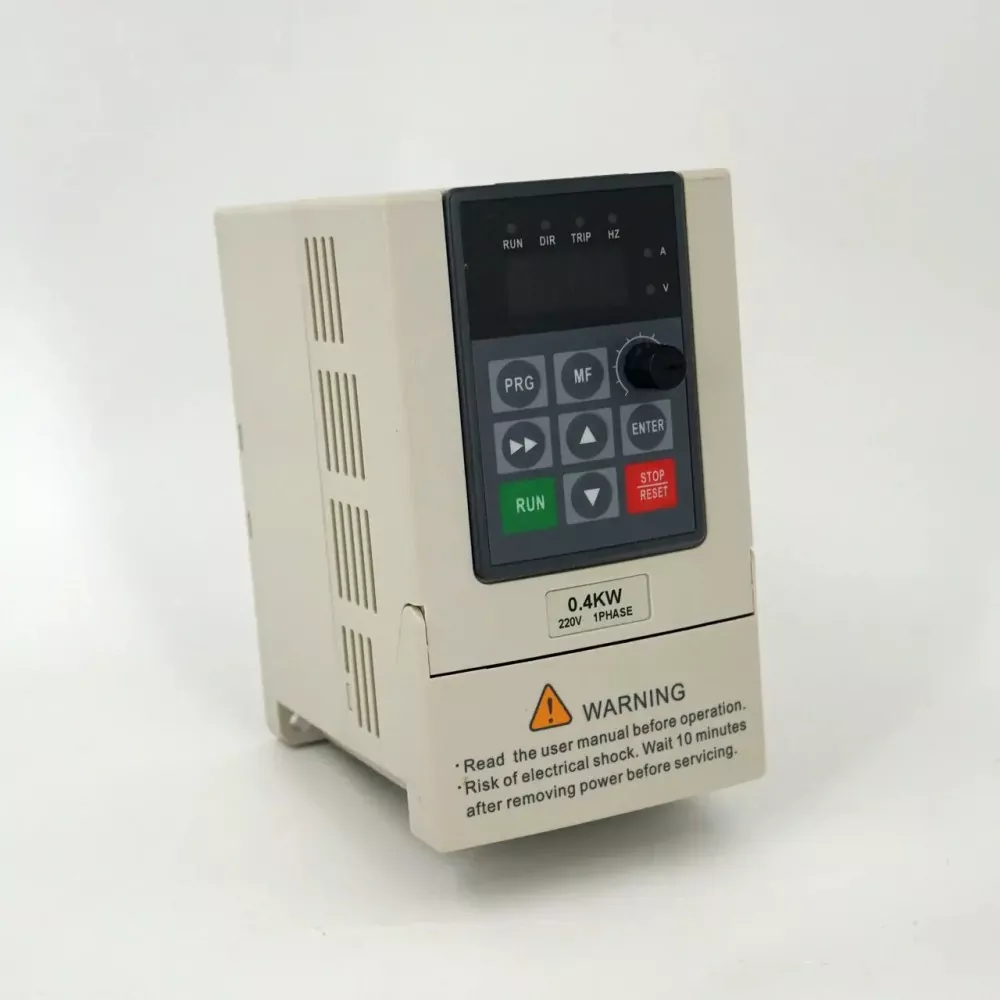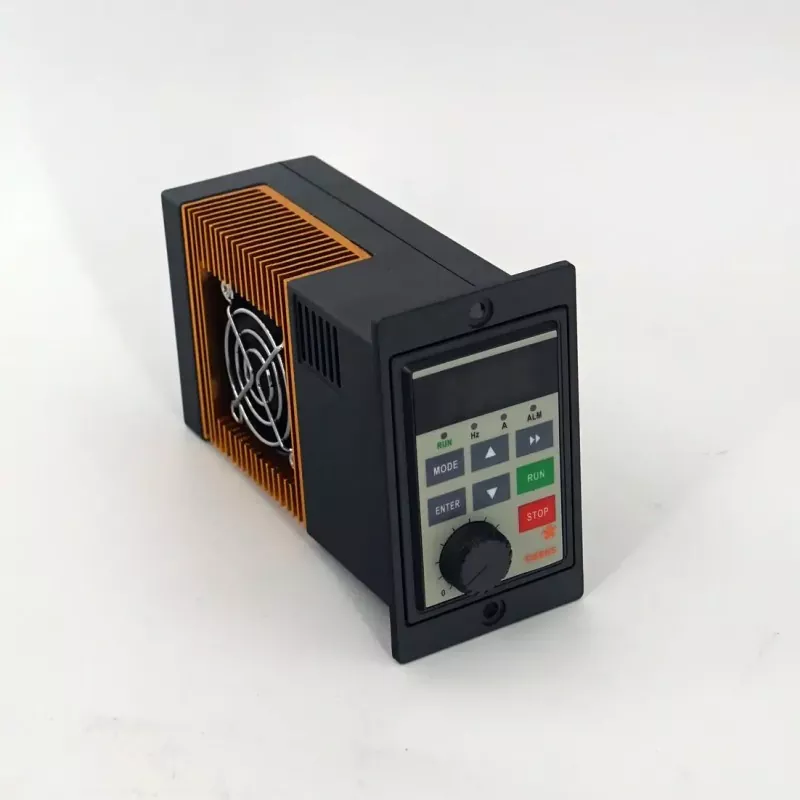
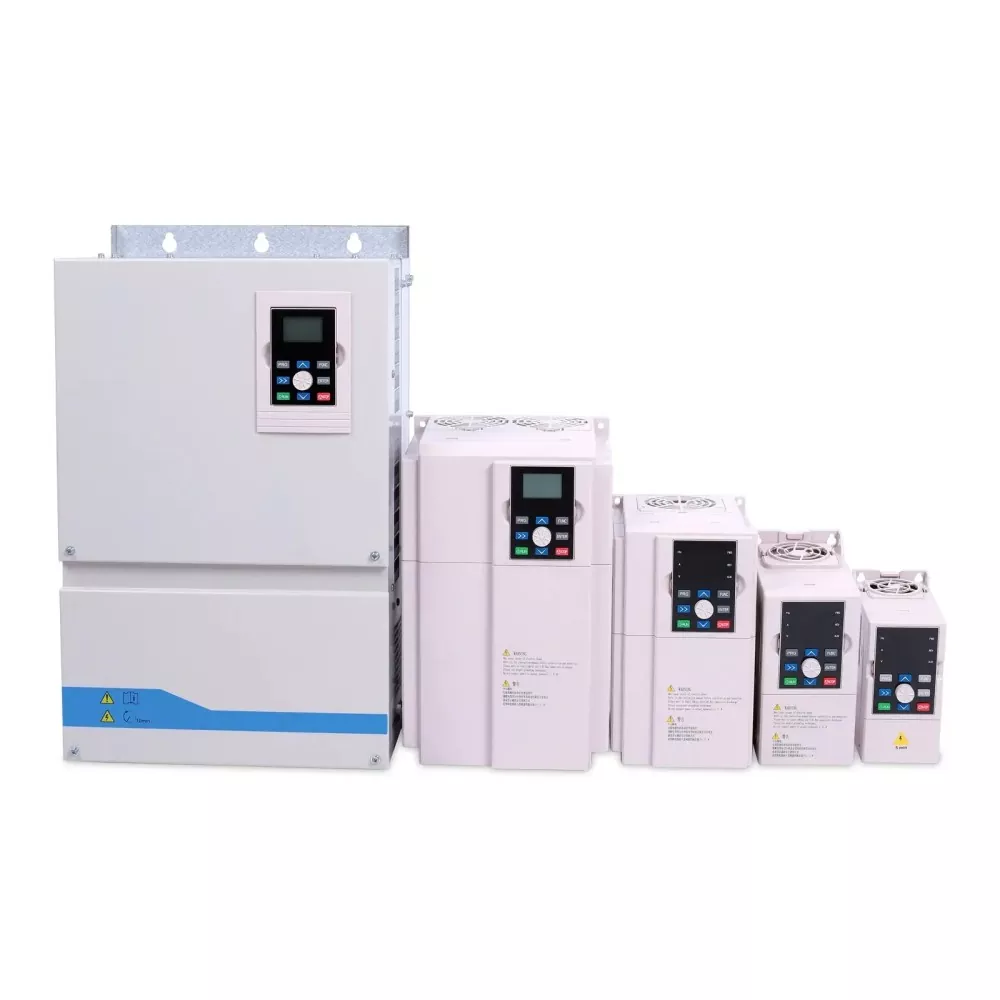
CHBNS, a China manufacturer and supplier, develops the Heavy Duty VFD AC Drive page around the motor, load, command path, protection, and commissioning evidence. The B-series platform is presented here as a heavy-duty AC motor drive when a correctly selected G-type model is matched to the real torque-time cycle. Its evidence is documented, not inferred from the keyword: G-type overload ratings, no-PG current-vector and V/F modes, automatic current and voltage limiting, motor parameter self-measurement, programmable I/O, PID, RS485, and fault records. Confirm the voltage class, drive and motor current, overload cycle, braking energy, cooling, and cabinet conditions together; the 200% for 4 seconds value is a drive overload boundary, not a promise of motor torque.
How it works
Heavy-duty selection starts from the load cycle and required current margin, not from a single steady-state kilowatt number.
Record start torque, acceleration time, load changes, reversing, braking, starts per hour, and continuous operating time.
Confirm the G-type code, voltage class, drive current, motor data, V/F or no-PG vector control, and any braking hardware required by the cycle.
Commission with representative inertia and load while recording current, DC bus behavior, temperature, speed stability, and fault history.
Core product advantages
The Heavy Duty VFD AC Drive concentrates its value in controllability, integration, and documented selection boundaries rather than broad company claims.
The B-series manual specifies 110% long-term, 150% for 1 minute, and 200% for 4 seconds for G-type drives; these are drive limits for duty selection, not motor-torque promises.
Current-vector control without an encoder and multiple V/F modes support application-specific commissioning when motor data and limits are correctly set.
RS485, PID, programmable terminals, multistage operation, monitoring, fault records, and motor self-measurement support system integration.
Evidence-led specifications
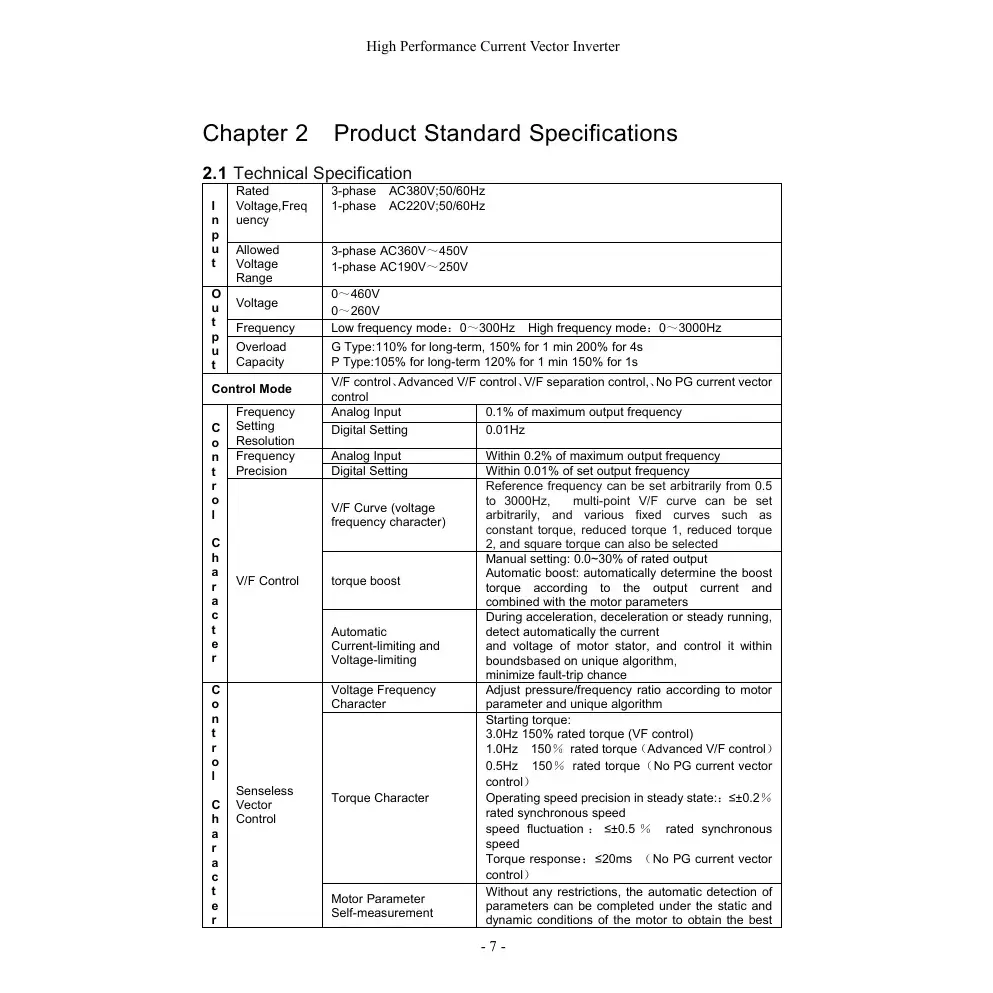
The table is quoted from the supplied B-series English manual. For this heavy-duty page, the G-type envelope is the primary evidence; the P-type row is retained only to show the lower fan-and-pump duty boundary. Neither replaces motor, gearbox, process, or thermal verification.
| Rated input | 3-phase AC 380 V / 50–60 Hz; 1-phase AC 220 V / 50–60 HzAvailable model class must be confirmed |
|---|---|
| Allowed input range | 3-phase AC 360–450 V; 1-phase AC 190–250 VManual technical specification |
| Control modes | V/F, advanced V/F, V/F separation, no-PG current vectorManual section 2.1 |
| G-type overload | 110% long-term; 150% for 1 min; 200% for 4 sManual section 2.1 |
| P-type overload | 105% long-term; 120% for 1 min; 150% for 1 sManual section 2.1 |
| Digital setting resolution | 0.01 HzManual section 2.1 |
| Analog setting resolution | 0.1% of maximum output frequencyManual section 2.1 |
| Environment | -10°C to +40°C without derating; 5–95% RH, no condensationManual section 2.1 |
External architecture comparison
This G-duty AC drive should be compared with external architectures that serve the same torque-time cycle. A light-duty generic inverter may offer a lower first cost, but without a verified overload envelope, current margin, braking plan, and cooling review it creates selection uncertainty. A larger drive is not automatically better either; oversizing, motor tuning, harmonic behavior, and protection coordination still matter. This comparison avoids unsupported claims about named competitors and shows where the Heavy Duty VFD AC Drive changes the machine-design decision.
Application fit
Manage acceleration and load changes while selecting current and overload capacity from the real material and start cycle.
Review breakaway torque, viscosity change, shaft inertia, service factor, and whether controlled stopping needs a braking resistor.
Requires a dedicated mechanical brake and safety design; never treat the drive alone as a load-holding device.
Calculate acceleration and regenerative energy, then verify braking hardware, duty cycle, cabinet cooling, and repeated-start temperature.
Product evidence
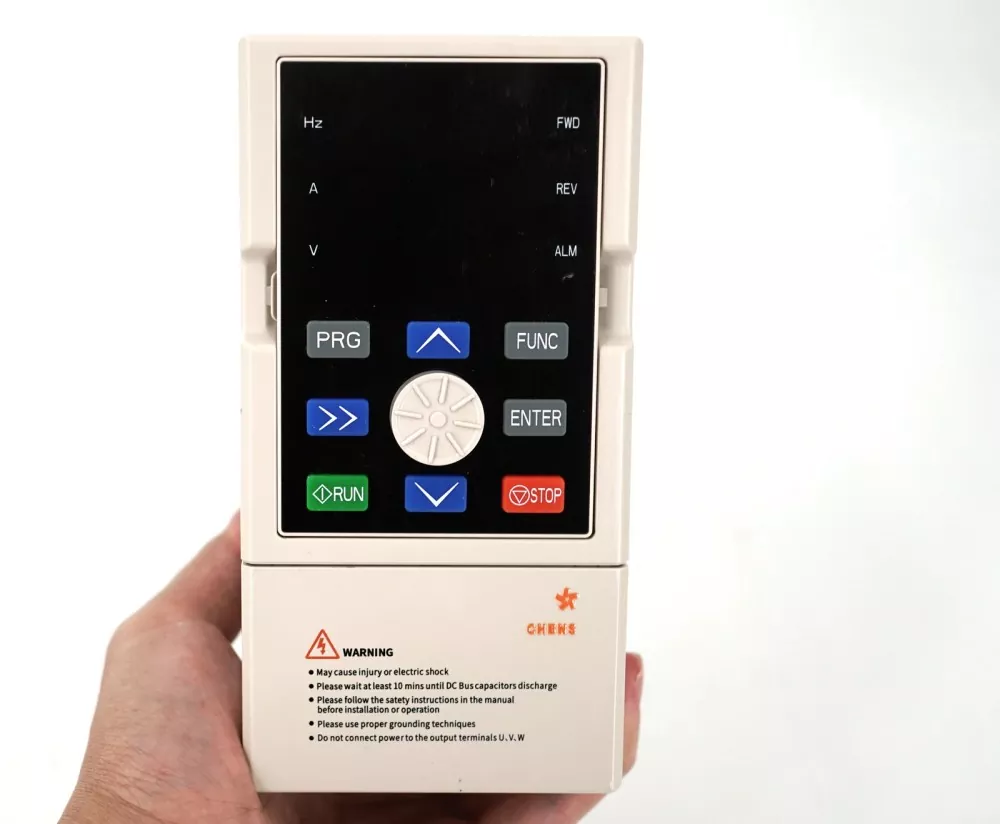
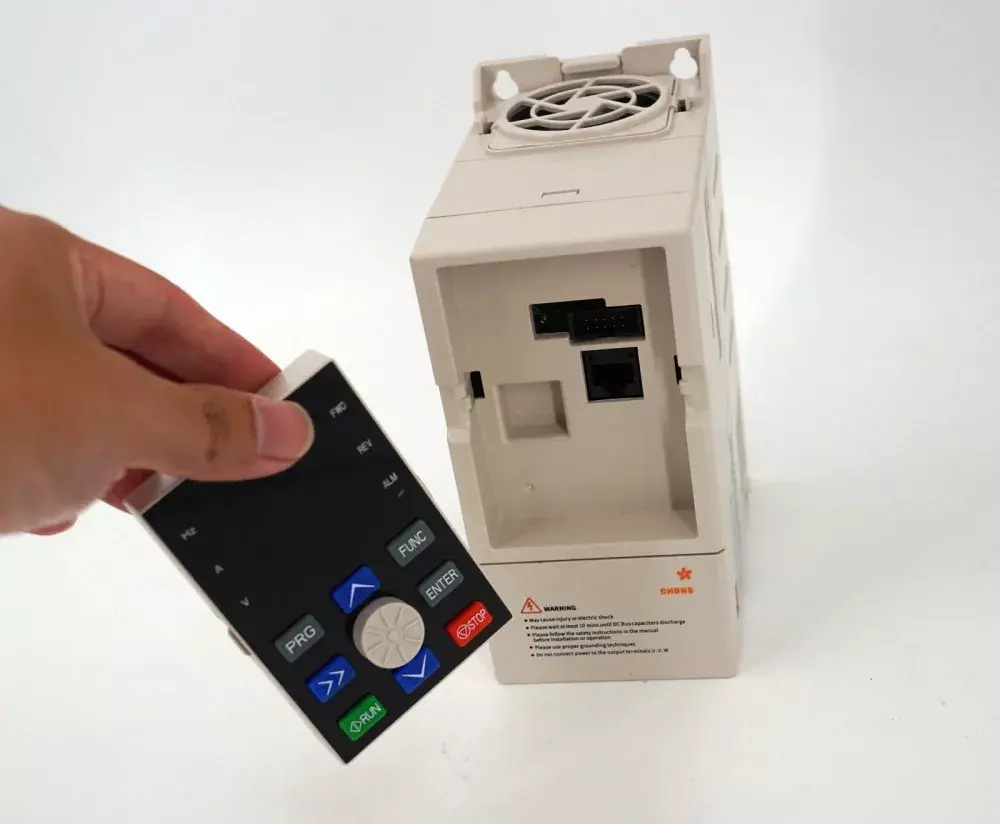
Manual + supply evidence
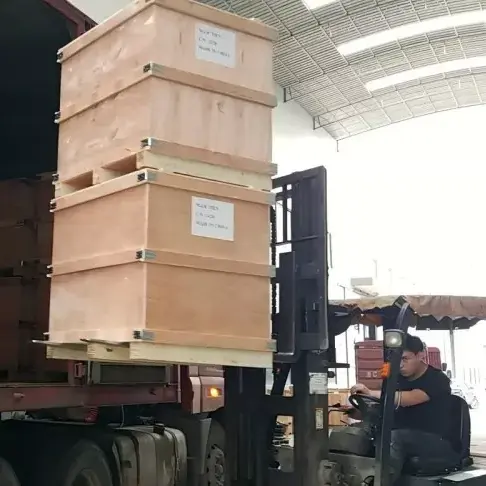
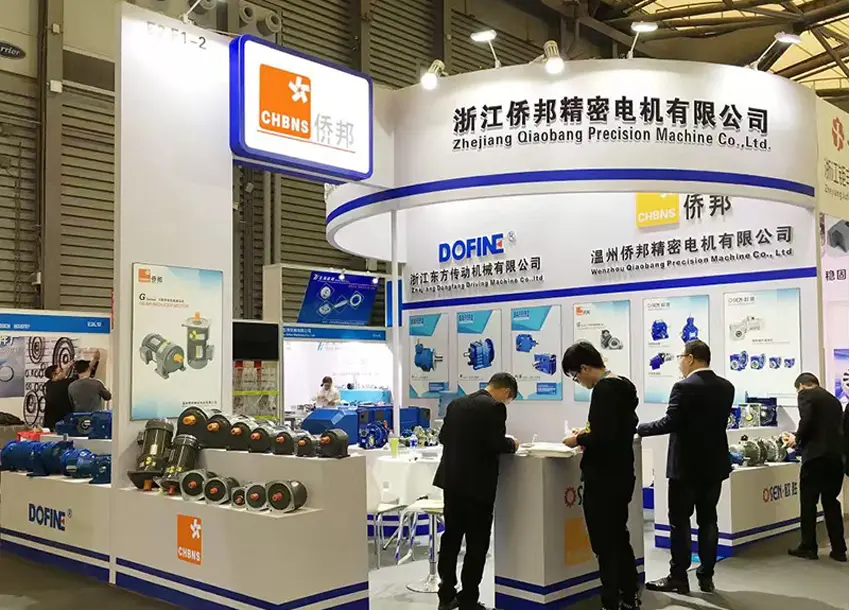
CHBNS factory, packing, or shipping photographs show general production and export context only. They are not presented as a certificate, batch inspection report, or delivery record for this exact page.
Product video
Verified local B-series AC drive product video, transcoded for web delivery. No YouTube link is claimed.
Technical resources
Factory support + commissioning
For OEM, wholesale, distributor, and custom sourcing, the manufacturer can review model coding, documentation, packaging, and sample requirements before mass-order release. Final quality acceptance follows the agreed specification, not a generic web statement.
FAQ
No. It is a documented drive overload rating. Motor thermal and electromagnetic capability, gearbox limits, coupling, shaft, and process load must all be checked separately.
When deceleration or an overhauling load returns more energy than the drive and DC bus can absorb. Calculate regenerative energy and use the manual-approved braking arrangement.
It can improve regulation without an encoder, but applications requiring zero-speed holding, precise position, or safety-rated feedback may still need encoder-based or servo architecture.
Address
No.785 Jiangnan Road, Nanmingshan street, Liandu district, Lishui City, Zhejiang Province , China.
Tel