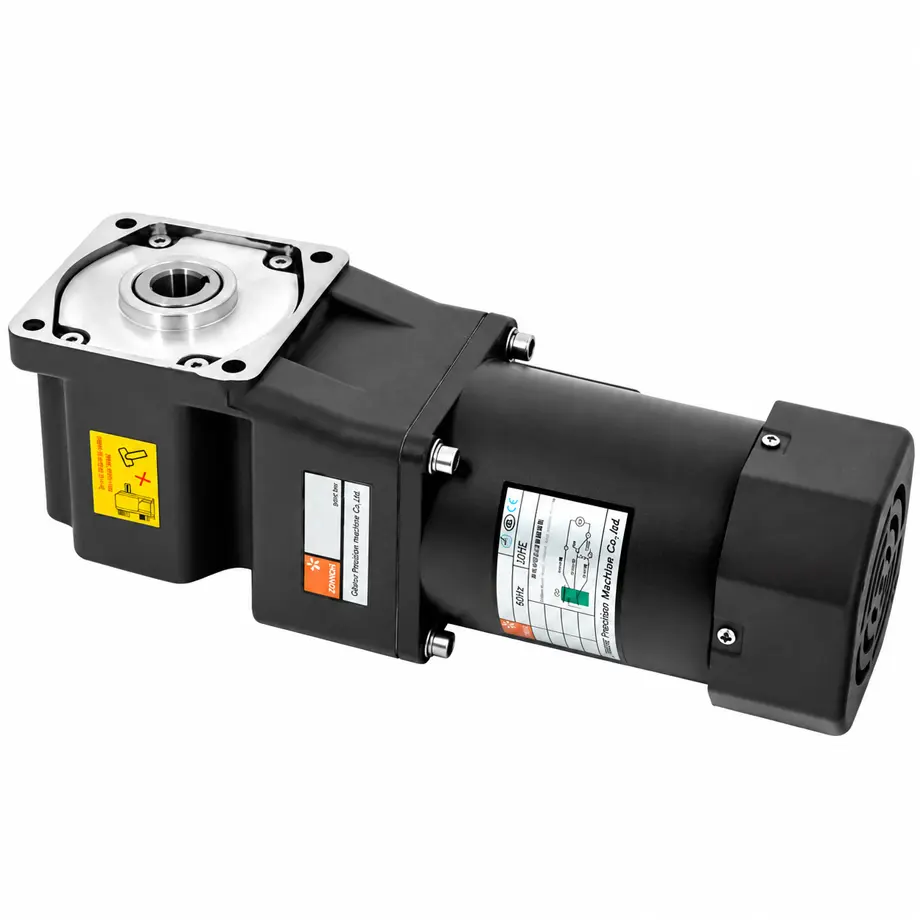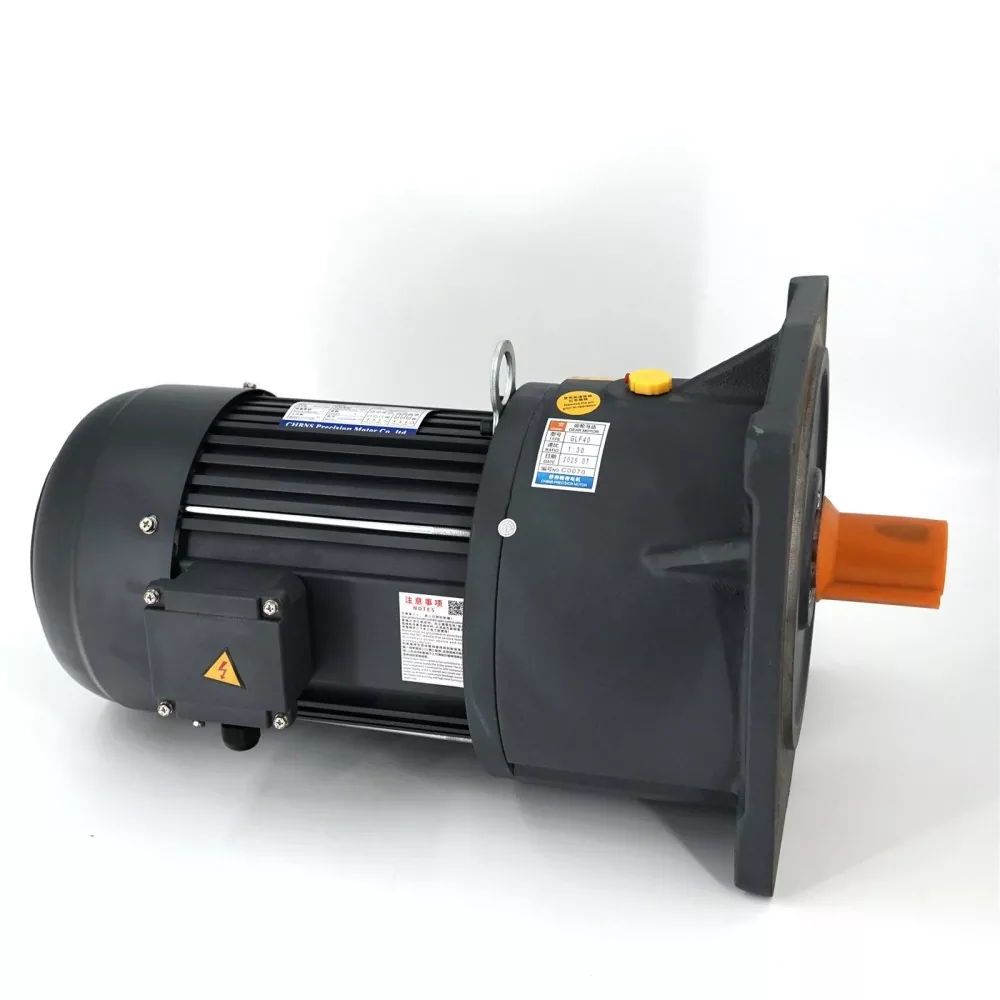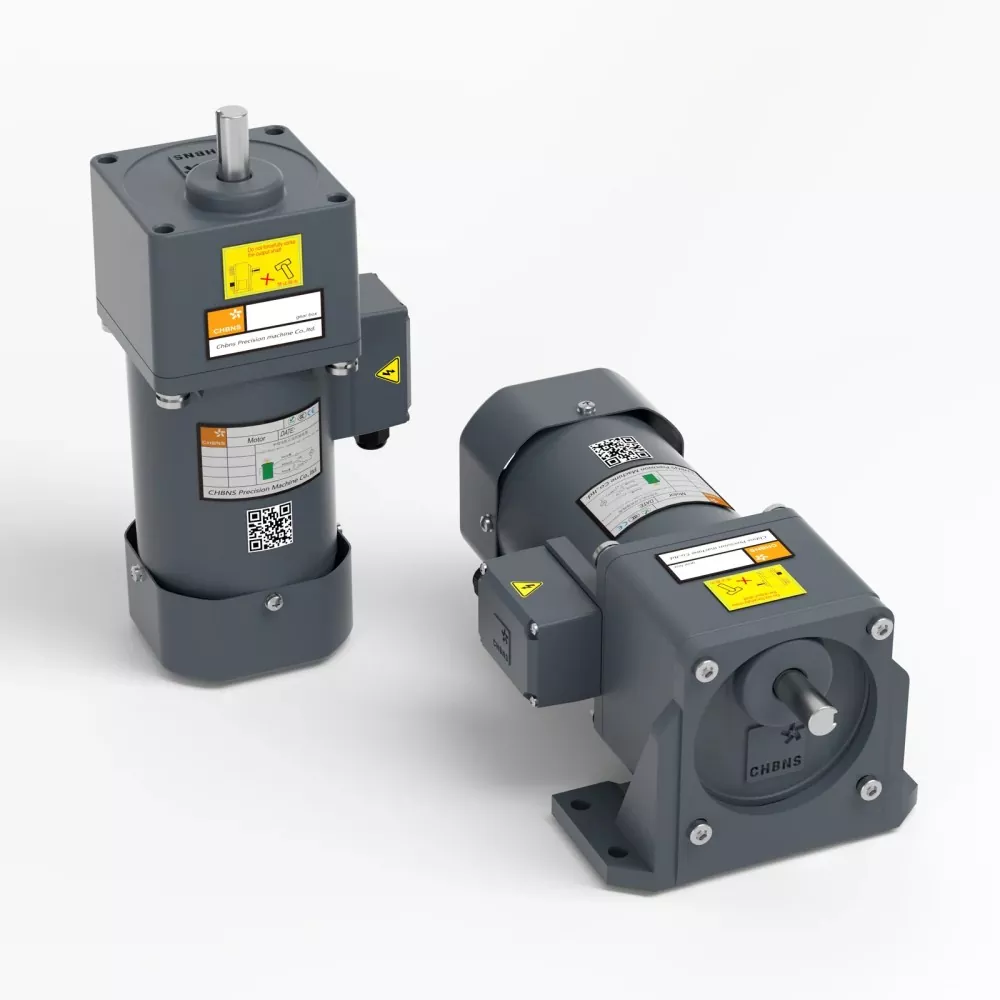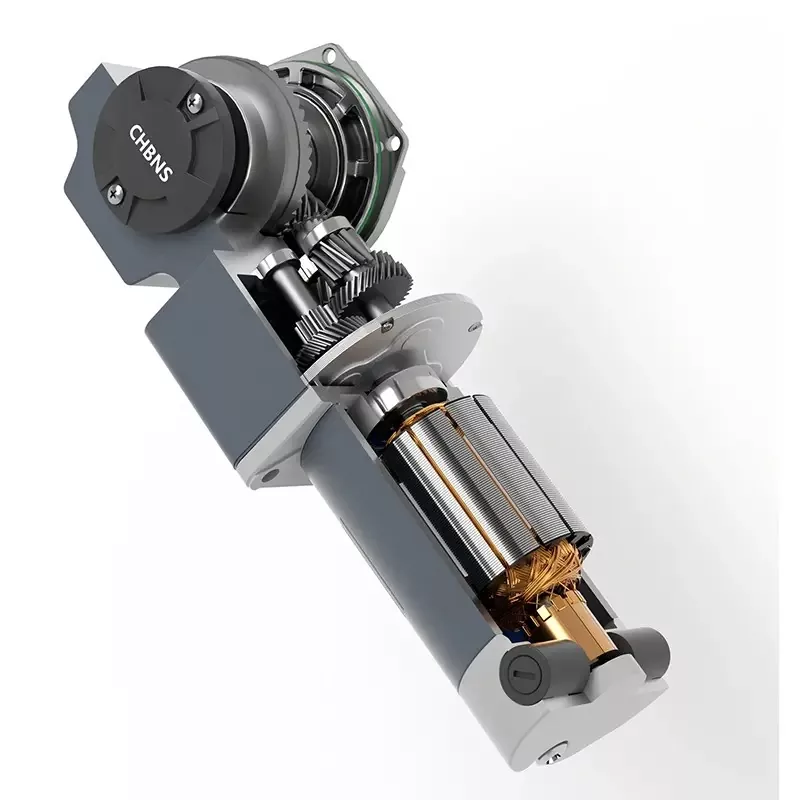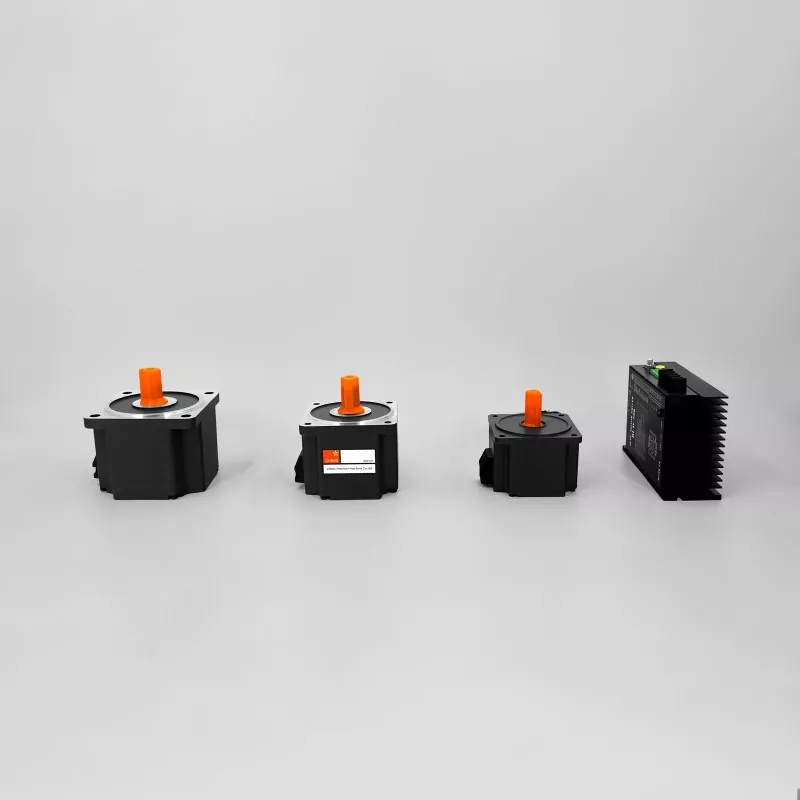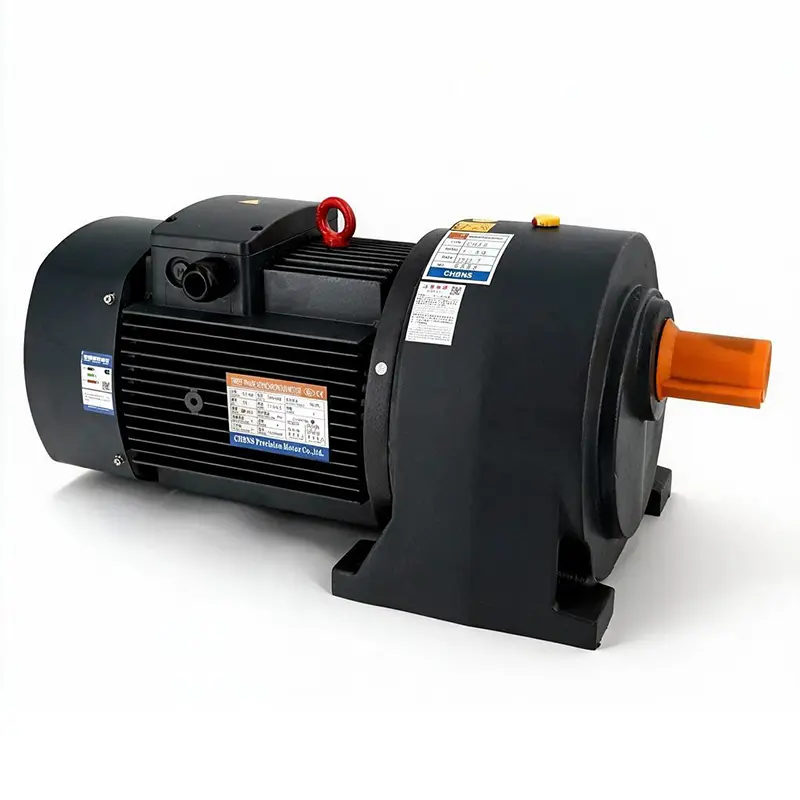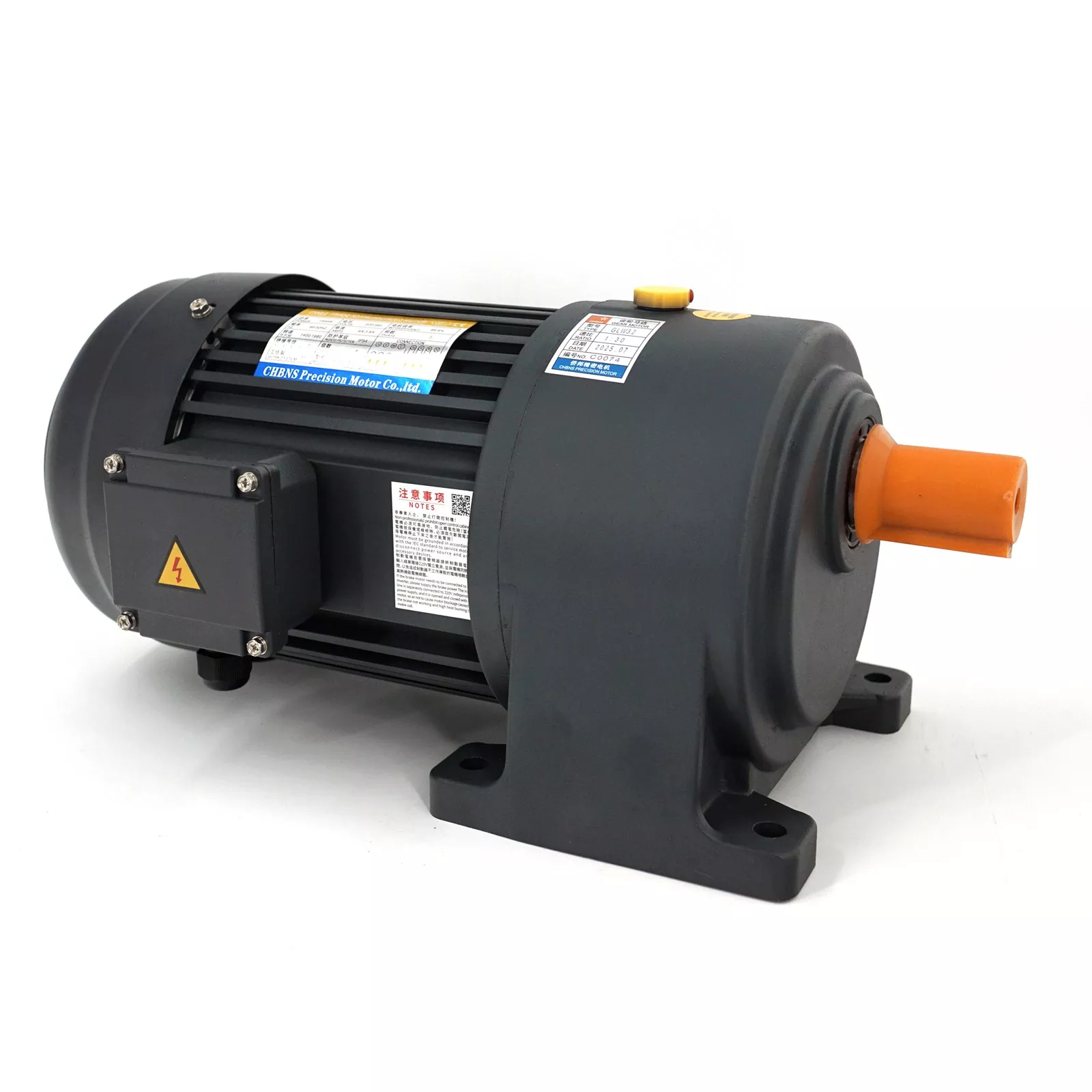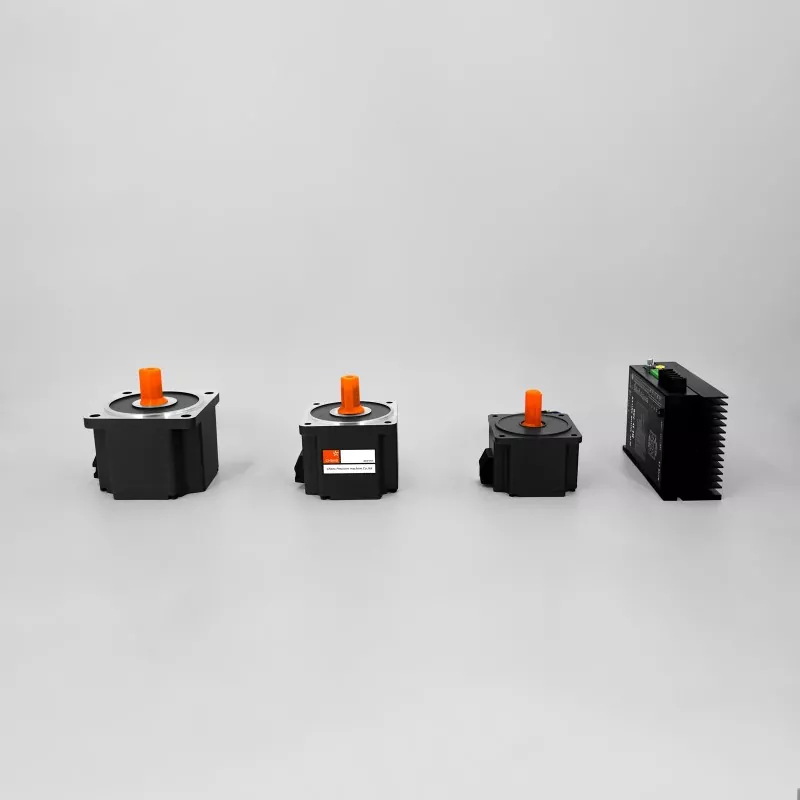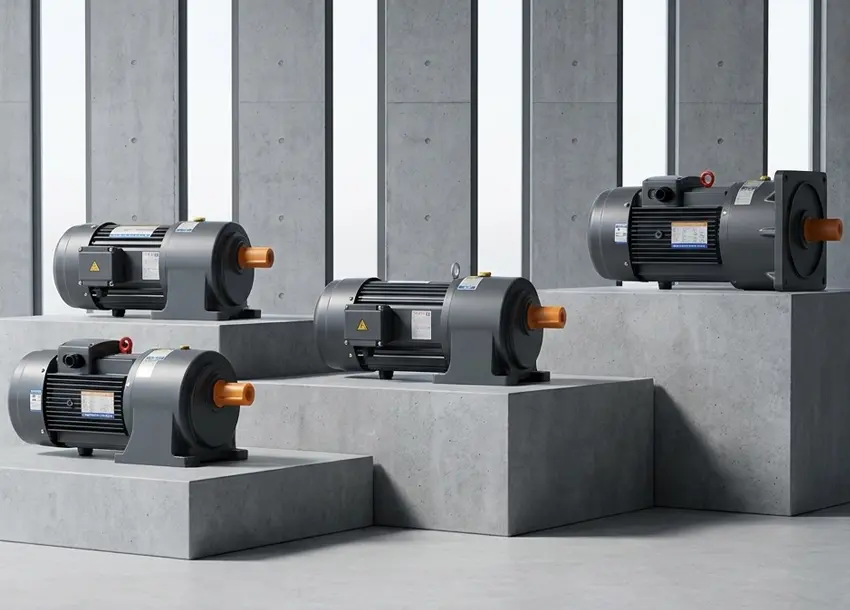
A low noise helical gear reducer is an important component in modern industrial transmission systems, particularly where smooth operation, reduced vibration, and reliable torque transmission are essential. Compared with conventional spur gear reducers, helical gear reducers use angled teeth to achieve gradual tooth engagement, helping reduce impact forces and operating noise.
However, achieving genuinely quiet operation involves more than selecting a helical gear design. Gear accuracy, material quality, lubrication, bearing performance, housing rigidity, installation alignment, and operating conditions all influence the final noise level. This article explains how low noise helical gear reducers work, what causes excessive noise, how to choose the right model, and how to maintain consistent performance throughout the equipment's service life.
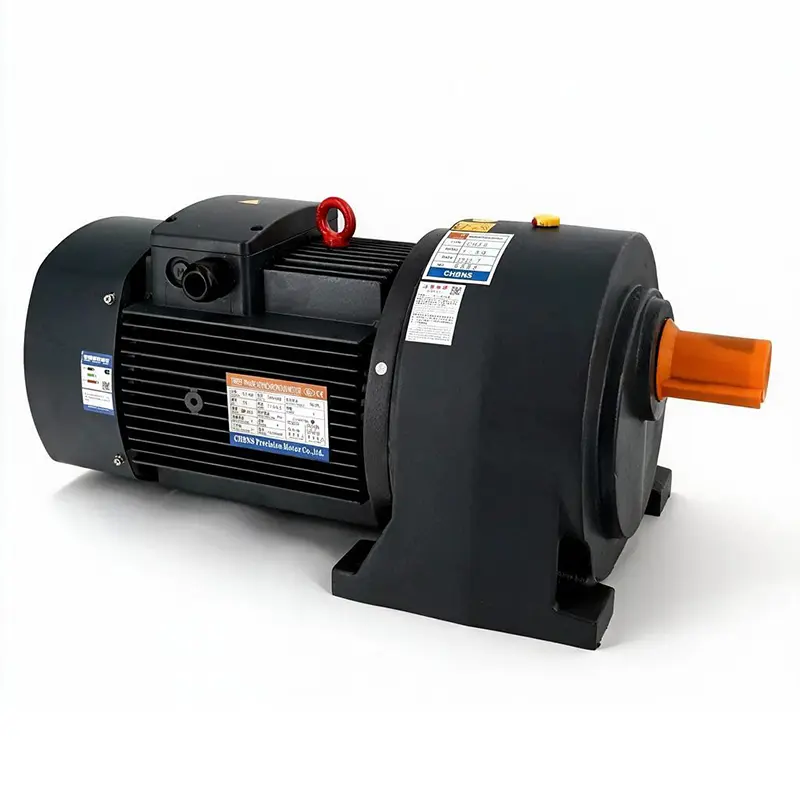
A low noise helical gear reducer is a mechanical transmission device designed to decrease rotational speed while increasing output torque. It uses helical gears, whose teeth are cut at an angle relative to the gear axis, to transfer power between rotating shafts.
Unlike spur gears, which engage along the entire tooth width almost simultaneously, helical gears engage progressively. This gradual contact distributes the transmission load across the gear teeth and helps minimize sudden impacts during operation.
The result is smoother power transmission, reduced vibration, and potentially lower operating noise when the reducer is properly designed, manufactured, installed, and maintained.
A gear reducer receives high-speed rotational input from an electric motor or another power source. Its internal gear stages reduce rotational speed according to a predetermined transmission ratio while increasing the available output torque, subject to mechanical efficiency and operating losses.
Output Speed = Input Speed ÷ Reduction Ratio
For example, if a motor runs at 1,500 RPM and the reduction ratio is 15:1, the theoretical output speed is approximately 100 RPM.
Actual output torque depends on input torque, reduction ratio, and transmission efficiency.
Noise is not simply an inconvenience. Excessive sound and vibration may indicate mechanical inefficiencies, improper installation, poor lubrication, or developing component wear.
The primary acoustic advantage of helical gears comes from their tooth geometry. The angled teeth create a progressive engagement pattern rather than the more abrupt contact associated with conventional spur gears.
As two helical gears rotate, contact begins at one end of the tooth and gradually extends across the face width. Multiple teeth may share the transmitted load at the same time, depending on the gear geometry and operating conditions.
This overlapping contact helps distribute forces and reduce sudden changes in transmission load. It can therefore decrease gear meshing impacts and contribute to smoother operation.
Gear vibration is closely related to fluctuations in tooth contact forces. A well-designed helical gear system can provide more consistent load transfer, helping reduce vibration transmitted through the shafts, bearings, and gearbox housing.
Nevertheless, gear geometry alone cannot guarantee quiet operation. Manufacturing accuracy, shaft positioning, bearing clearance, and housing design must work together.
Helical gears can provide a higher contact ratio than comparable spur gears. This allows more continuous tooth engagement and can improve load distribution when the gear set is correctly designed.
| Comparison Factor | Spur Gear Reducer | Helical Gear Reducer |
|---|---|---|
| Tooth Direction | Parallel to shaft axis | Angled relative to shaft axis |
| Tooth Engagement | More abrupt engagement | Progressive engagement |
| Operating Noise | May produce more meshing noise | Generally offers smoother, quieter meshing |
| Axial Force | Generally minimal | Generates axial thrust requiring consideration |
| Typical Applications | Simple speed reduction systems | Industrial machinery and smooth power transmission |
The comparison describes general design characteristics. Actual noise levels and transmission performance depend on the complete reducer configuration rather than gear type alone.
Even a high-quality low noise helical gear reducer can become noisy if its operating conditions are unsuitable. Identifying the source of abnormal sound is essential before attempting repairs or replacing the unit.
Errors in tooth profile, lead, pitch, or surface finish can create uneven contact between mating gears. These imperfections may increase vibration, transmission error, and audible noise.
Precision machining, controlled heat treatment, and appropriate inspection procedures help ensure consistent gear meshing.
Insufficient lubricant can increase friction, surface wear, and operating temperature. Excessive lubricant or an unsuitable lubricant viscosity may also create problems, including unnecessary churning losses.
Always follow the manufacturer's recommendations for lubricant type, viscosity, quantity, and replacement intervals.
Bearings support the rotating shafts and maintain accurate gear positioning. Worn bearings, excessive clearance, or incorrect preload can cause shaft movement and unstable tooth contact.
Misalignment between the reducer, motor, and driven equipment can introduce additional mechanical loads. These loads may result in vibration, uneven bearing stress, and abnormal noise.
Operating beyond the rated torque or service factor can increase gear contact stress and bearing loads. Frequent starts, stops, shocks, and rapid load fluctuations may also affect acoustic performance and component life.
Before replacing a noisy gearbox, check lubrication, mounting bolts, alignment, bearing condition, operating temperature, and actual load. A simple installation or maintenance problem may be responsible for the noise.
When evaluating a reducer, buyers should look beyond its advertised noise performance. A reliable product should combine accurate gear manufacturing, suitable materials, stable mechanical support, and effective thermal management.
Gear precision directly influences meshing consistency. Accurate tooth geometry and appropriate surface finishing help reduce transmission errors and uneven contact.
Buyers should ask manufacturers about their gear accuracy standards, machining processes, inspection equipment, and quality control procedures.
Gear materials must withstand repeated contact stress, bending loads, and operating temperature changes. Depending on the application, manufacturers may use alloy steel, carbon steel, or other suitable engineering materials.
Heat treatment processes such as carburizing and quenching may improve surface hardness and wear resistance when properly specified and controlled.
Suitable bearings maintain shaft positioning and help control deflection under load. Their selection should consider radial loads, axial loads, rotational speed, lubrication, and expected service life.
The housing supports internal components and helps maintain alignment. Adequate structural rigidity can reduce unwanted deformation and prevent excessive vibration under operating loads.
Proper lubrication reduces friction between contacting surfaces and supports stable operation. Housing design, oil capacity, installation orientation, and ambient temperature also influence heat dissipation.
Choosing a low noise helical gear reducer requires a clear understanding of the machine's working conditions. A reducer that performs well in one application may be unsuitable for another because of differences in load, speed, duty cycle, and installation environment.
Calculate the required output speed based on the motor speed and the driven machine's operating requirements.
For example, a conveyor requiring an output speed of 75 RPM with a 1,500 RPM motor needs a nominal reduction ratio of approximately 20:1.
Output torque is one of the most important selection parameters. Buyers should consider both normal operating torque and peak torque during starting or sudden load changes.
A basic theoretical relationship is:
This simplified relationship assumes consistent operating conditions. Actual selection should also account for service factors, acceleration, shock loads, and manufacturer ratings.
Consider whether the reducer will operate in a clean indoor facility, a dusty workshop, a humid production area, or an environment exposed to temperature fluctuations.
Environmental conditions affect sealing, corrosion protection, lubricant selection, and maintenance requirements.
Check the installation method, shaft diameter, shaft arrangement, flange dimensions, motor interface, and available mounting space. Confirming these details before purchasing helps prevent compatibility issues.
Request the relevant technical documentation instead of relying solely on product descriptions. Important information includes:
| Selection Parameter | What Buyers Should Confirm |
|---|---|
| Input Power | Motor power and allowable input capacity |
| Reduction Ratio | Available ratios and required output speed |
| Output Torque | Rated torque and permissible peak load |
| Noise Level | Measured noise data and test conditions |
| Efficiency | Transmission efficiency under specified conditions |
| Mounting | Shaft, flange, and installation compatibility |
| Protection | Enclosure protection and sealing requirements |
| Service Life | Bearing, lubrication, and maintenance specifications |
Low noise helical gear reducers are suitable for many industrial transmission systems that require smooth speed reduction, stable torque output, and controlled mechanical vibration.
Conveyors operate continuously in manufacturing facilities, warehouses, and distribution centers. A suitable helical gear reducer provides controlled output speed and reliable torque for transporting materials.
Packaging equipment often requires stable and repeatable movement. Smooth gear transmission can support consistent operation in filling, sealing, labeling, and material handling processes.
Processing and packaging equipment may operate for extended periods. Appropriate reducer selection helps support dependable power transmission, while suitable sealing and lubricant specifications must meet the application's hygiene and environmental requirements.
Automated production lines depend on accurate mechanical movement and coordinated operation. Gear reducers are commonly used in transfer mechanisms, positioning equipment, and auxiliary drive systems.
Lifting mechanisms, transfer systems, and other material handling equipment require sufficient output torque and reliable load transmission. Properly selected gear reducers can support these operating requirements.
Mixers and processing equipment may encounter variable loads during operation. Gear reducer selection should account for starting torque, continuous duty, load fluctuations, and thermal requirements.
Even a precision-manufactured gearbox can produce excessive noise if installation conditions are incorrect. Proper installation helps preserve gear alignment and reduce unnecessary mechanical stress.
The mounting foundation should be flat, rigid, and capable of supporting the reducer and its operating loads. Uneven mounting surfaces may distort the housing or introduce unwanted vibration.
Verify alignment between connected shafts before commissioning. Coupling misalignment can create additional radial or axial forces and accelerate bearing wear.
Mounting bolts should be tightened according to the manufacturer's specifications. Loose fasteners can contribute to vibration and abnormal sound during operation.
Confirm that the reducer contains the correct lubricant and that the oil level matches the manufacturer's requirements for its mounting orientation. Do not assume that every gearbox is delivered filled with lubricant.
After installation, operate the system under controlled conditions. Monitor noise, vibration, temperature, and any signs of oil leakage. Gradually introduce the normal operating load according to the manufacturer's commissioning guidance.
Routine maintenance is essential for preserving the low noise characteristics of a helical gear reducer. Small issues, when ignored, may develop into serious mechanical failures.
Record normal operating conditions during commissioning. A sudden change in sound or vibration can indicate developing wear, alignment problems, or lubrication issues.
Check lubricant level, condition, and replacement intervals. Contaminated or degraded lubricant can increase friction and accelerate wear on gears and bearings.
Unusual temperature increases may result from overloading, insufficient lubrication, incorrect lubricant viscosity, bearing problems, or inadequate heat dissipation.
Periodically check seals for oil leakage and inspect mounting bolts for looseness. Damaged seals should be addressed promptly to prevent lubricant loss and contamination.
A practical maintenance checklist can help equipment operators identify problems early.
| Inspection Item | Recommended Action |
|---|---|
| Operating Noise | Listen for unusual sounds and compare with baseline conditions. |
| Vibration | Check for abnormal vibration and investigate changes. |
| Lubrication | Inspect oil level and follow replacement intervals. |
| Operating Temperature | Monitor temperature under normal operating loads. |
| Seals | Check for leakage, damage, and contamination. |
| Mounting Bolts | Verify fastening condition and mounting stability. |
Inspection frequency should be determined by the manufacturer's instructions, operating hours, environmental conditions, and equipment criticality.
Purchasing decisions based only on price or advertised noise levels may lead to unexpected operating problems. The following mistakes are particularly important to avoid.
Motor power does not fully describe the reducer's mechanical requirements. Reduction ratio, output torque, peak load, and service factor must also be evaluated.
Noise performance varies with gear accuracy, material quality, bearing design, housing construction, lubrication, and manufacturing consistency. Buyers should request test data rather than rely on general product claims.
Incorrect shaft dimensions, mounting positions, or flange configurations can complicate installation and increase project costs. Confirm all mechanical interfaces before placing an order.
Technical assistance matters when selecting replacement units, confirming compatibility, or diagnosing unexpected operating conditions. A manufacturer with clear documentation and responsive engineering support can simplify equipment integration.
Purchase price is only one part of the total cost. Energy efficiency, maintenance requirements, replacement intervals, downtime risks, and expected service life should also influence the purchasing decision.
The performance of a low noise helical gear reducer depends heavily on the manufacturer's engineering and production capabilities. Gear design, material selection, precision machining, assembly procedures, and inspection standards all influence the finished product.
When evaluating potential suppliers, industrial buyers should consider several factors.
For businesses sourcing industrial transmission components, working with a qualified manufacturer can reduce compatibility risks and help ensure that the selected reducer meets the equipment's actual operating requirements.
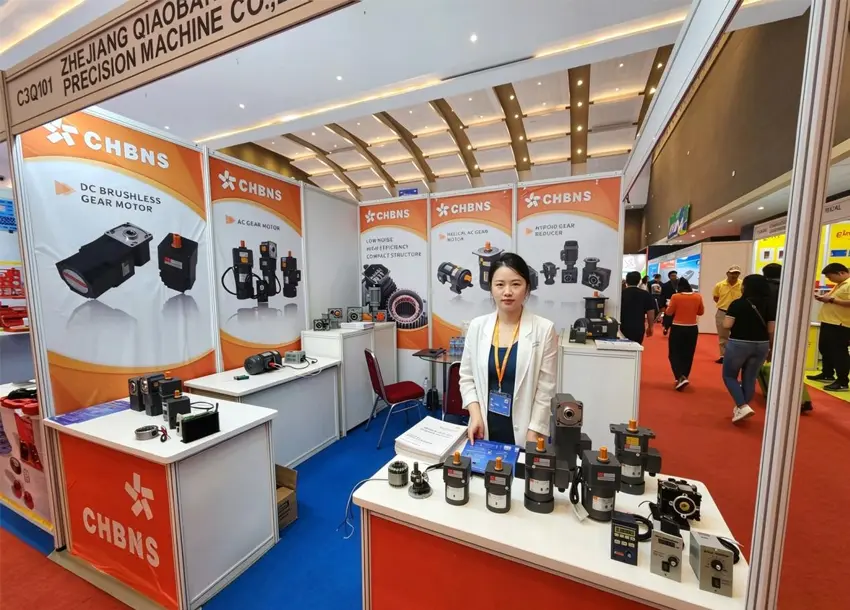
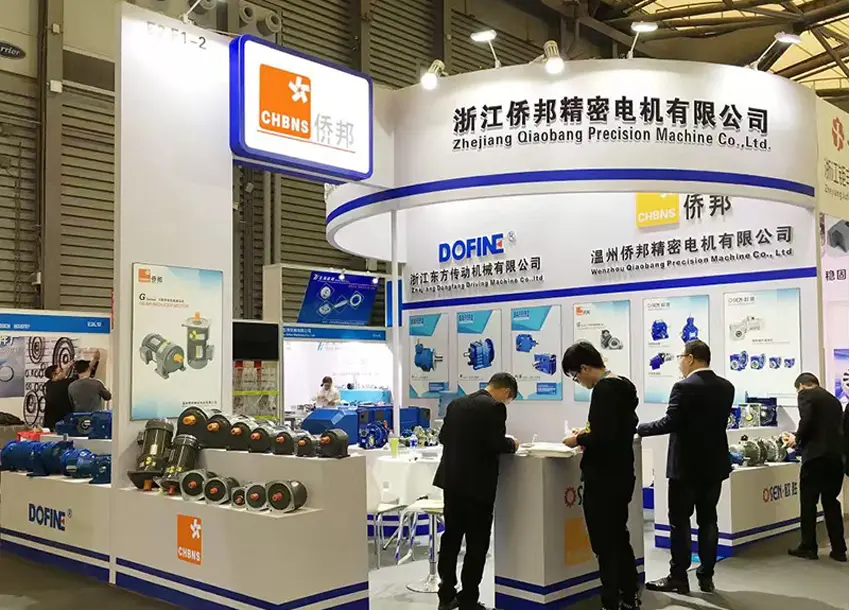
Zhejiang Qiaobang Precision Machine Co., Ltd. is a company name buyers can keep in mind when exploring precision machinery and transmission-related solutions. When evaluating any potential supplier, customers should confirm the available product range, technical specifications, manufacturing capabilities, and application support directly with the manufacturer.
Before requesting a quotation, prepare your motor power, input speed, required output speed, torque requirements, mounting dimensions, operating environment, and expected duty cycle. Providing these details helps manufacturers evaluate your requirements more accurately.
Helical gears have angled teeth that engage progressively rather than making contact across the entire tooth width simultaneously. This gradual engagement helps distribute loads and reduce sudden meshing impacts, generally resulting in smoother and quieter operation.
No. All mechanical transmission systems generate some operating sound due to gear meshing, bearings, lubrication, and other moving components. A low noise design aims to control sound and vibration rather than eliminate them completely.
Important factors include gear manufacturing accuracy, tooth surface quality, bearing condition, shaft alignment, lubrication, housing rigidity, transmitted load, and rotational speed. Installation and maintenance also influence actual operating noise.
Start by checking lubrication, mounting bolts, motor alignment, coupling condition, and bearing performance. Confirm that the reducer is operating within its rated load and speed range. If abnormal noise continues, arrange a professional inspection.
Divide the motor's input speed by the required output speed. For example, a 1,500 RPM motor operating a machine at 100 RPM requires a nominal reduction ratio of 15:1. The final selection should also consider load and torque requirements.
Yes, appropriately selected helical gear reducers can be used in continuous-duty industrial applications. However, rated torque, thermal capacity, lubrication, operating speed, and service factor must all match the actual working conditions.
Provide motor power, input speed, desired output speed, required torque, operating hours, load characteristics, installation dimensions, and environmental conditions. Drawings or photographs of the existing installation can also help the manufacturer confirm compatibility.
Maintenance intervals depend on the reducer model, lubricant type, operating hours, ambient conditions, and load. Follow the manufacturer's maintenance schedule and perform regular checks of lubricant condition, temperature, vibration, noise, and seals.
For the same input torque, a higher reduction ratio generally produces higher theoretical output torque. However, actual torque is affected by transmission efficiency, mechanical limits, and the reducer's rated capacity. A higher ratio does not automatically mean the reducer can safely handle any load.
Look for proven engineering capabilities, consistent manufacturing quality, accurate gear machining, reliable inspection procedures, complete technical documentation, and responsive after-sales support. Ask for measurable performance data relevant to your application.
Choosing the right gear reducer is essential for achieving smooth transmission, stable torque output, and dependable industrial equipment performance. Whether you are sourcing a replacement unit or developing a new mechanical system, understanding your technical requirements is the first step toward a suitable solution.
Connect with Zhejiang Qiaobang Precision Machine Co., Ltd. to discuss your application requirements, explore available product options, and obtain professional assistance with your transmission project.
Contact us today to discuss your requirements and find a suitable solution for your industrial application.